
Shillong’s average PM2.5 concentration recorded as 7 µg/m³, far below India’s national limit of 60 µg/m³
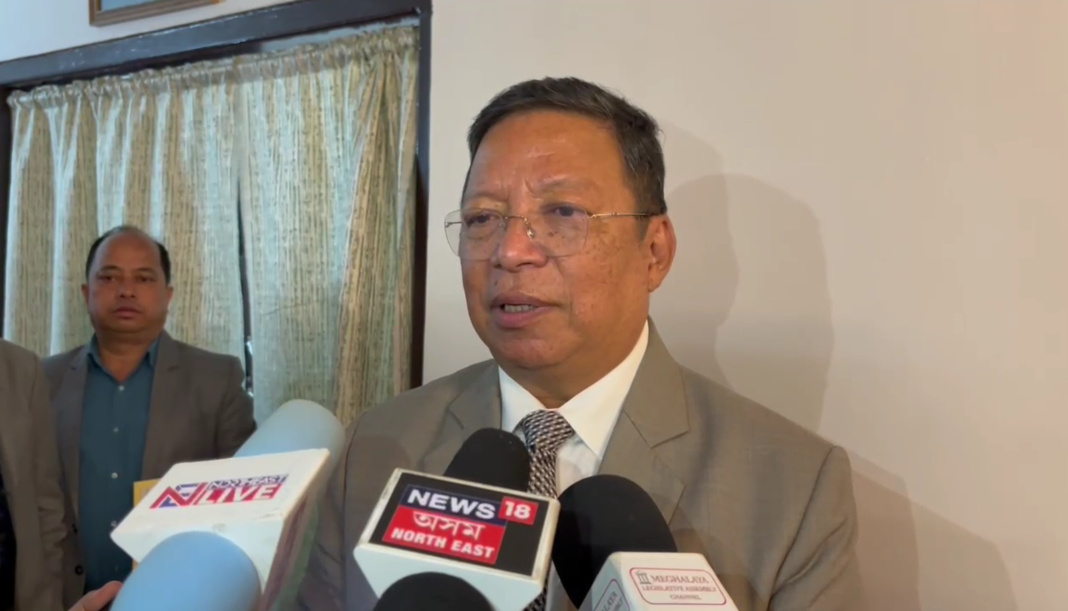
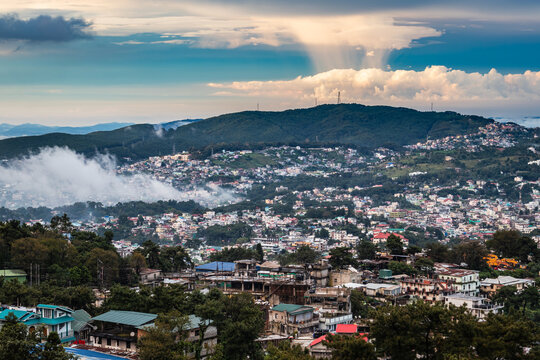
Shillong, Dec 8: While cities across the country experienced heavy smog causing serious health hazard in some of them like Delhi, Shillong has stood out as the cleanest city in the coutry.
The state capital has recorded lowest PM2.5 levels for the second consecutive month in December.
Shillong’s average PM2.5 concentration was recorded as 7 µg/m³, far below India’s national limit of 60 µg/m³, according to the latest Monthly Ambient Air Quality Snapshot by the Centre for Research on Energy and Clean Air (CREA).
The city’s PM2.5 value is even far below the World Health Organization’s guideline of 15 µg/m³.
While the list has placed Shillong in the top tier of India’s clean-air cities, it has ranked Karnataka, along with Sikkim, Tamil Nadu and Kerala as the top tier states.
Of 255 cities with adequate monitoring, only 114 met national PM2.5 standards, underscoring Shillong’s extraordinary performance amid a month marked by widespread air-quality deterioration.
In stark contrast, northern India continued to battle severe pollution. Ghaziabad was ranked the most polluted city, averaging 224 µg/m³, with 29 of 30 days falling under “Very Poor” or “Severe” categories.

Delhi followed with a monthly average of 215 µg/m³, nearly double its October level, recording 23 “Very Poor” days and six “Severe” days as its winter smog intensified. Cities across the NCR and Indo-Gangetic Plain—including Noida, Meerut, Greater Noida, Rohtak and Bahadurgarh—also reported toxic air for most of the month.
One striking insight from CREA’s analysis is the widening geographical spread of pollution: 36 cities appeared at least once in the daily list of India’s top 10 most polluted, showing that air-quality decline is no longer concentrated in a few hotspots. Meanwhile, the number of cities classified under “Good” or “Satisfactory” categories dropped sharply from October.
CREA also observed that stubble burning contributed only around 7% to Delhi’s pollution this year, confirming that persistent urban sources—vehicles, industry, dust and power generation—are now the dominant drivers of winter smog. Experts say the trend demands year-round mitigation, not just seasonal interventions.
Against this grim national backdrop, Shillong’s clean-air record is even more remarkable. Researchers attribute the city’s success to its hilly terrain, rich forest cover, low industrial footprint and lighter traffic load.
With no polluted days recorded in November and a repeat clean-air ranking, Shillong continues to serve as a model for sustainable urban environmental management.
The CREA findings point to a growing air-quality divide in India: while the Northeast and parts of the South remain clean-air refuges, northern and central regions are becoming pollution hotbeds.