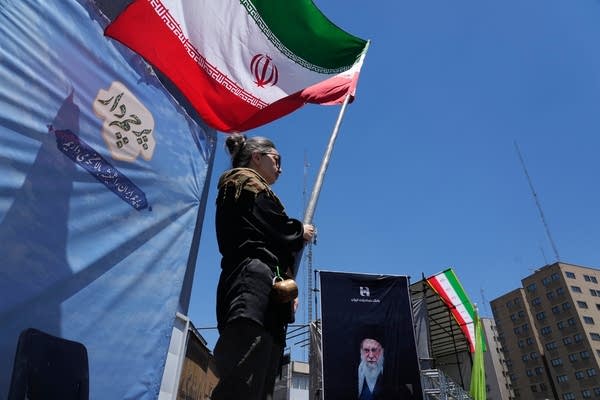

Dubai, June 16: Iran’s top diplomat said Tuesday that the tentative deal to end the war with the United States would require Israel to withdraw from Lebanon — a condition Israel has already rejected and that could sink the agreement, leading to the resumption of all-out war.
The deal, which is between the US and Iran, has not been made public, and officials have sometimes offered contradictory interpretations of what is in it. While Israel is not a party to the agreement, it is part of the war: It joined the US in launching strikes on Iran on Feb. 28, and has since fought the Iran-backed Hezbollah militant group in Lebanon and seized large swaths of that country.
Iranian Foreign Minister Abbas Araghchi said Israel’s continued occupation of southern Lebanon would violate the deal.
“Without the withdrawal of Israeli forces from the territories they occupied during this war, the war has not fully come to an end,” Araghchi said.
A US official, who spoke on condition of anonymity to discuss outlines of the agreement, has said the deal did not call for an Israeli withdrawal. And Israeli Prime Minister Benjamin Netanyahu said Monday that Israel would remain in Lebanon “as long as necessary.”
The negotiations to end the war have been plagued by such disagreements before — leading to a prolonged but uneasy ceasefire that has failed to develop into a permanent end to hostilities, and that has left the Strait of Hormuz, a crucial waterway for the world’s energy supplies, effectively shut.
Lebanon tests the durability of the deal
Pakistan, a key mediator, has said the deal called for an end to military operations, including in Lebanon, as Iran long insisted. But Araghchi’s call for an Israeli withdrawal adds a new wrinkle.
It puts Israel into a dilemma as it juggles trying to degrade Hezbollah’s military capabilities and restore deterrence without undermining an agreement championed by its most important ally, the United States. Israel invaded southern Lebanon after Hezbollah fired missiles across the border during the first week of the war. Since then, it has expanded its military footprint to levels unseen in decades and struck targets deep inside Beirut.
Though Hezbollah has been weakened, it retains the ability to strike Israel, leaving open questions about the effectiveness of Israel’s campaign.
The extent of Israel’s strikes has at times opened a public fracture between its leaders and US President Donald Trump, who told reporters Tuesday that he was “not happy with the way Israel has handled themselves with Lebanon and with Hezbollah.”
“It just goes on forever,” he said of Israel’s strategy. Israeli strikes in Lebanon have killed nearly 4,000 people, including hundreds of civilians, and displaced more than 1 million. “And when that happens, it throws a negative light on the big deal. And that’s the deal with Iran.”
Trump said he’s open to sending the emerging agreement to the US Congress for review.
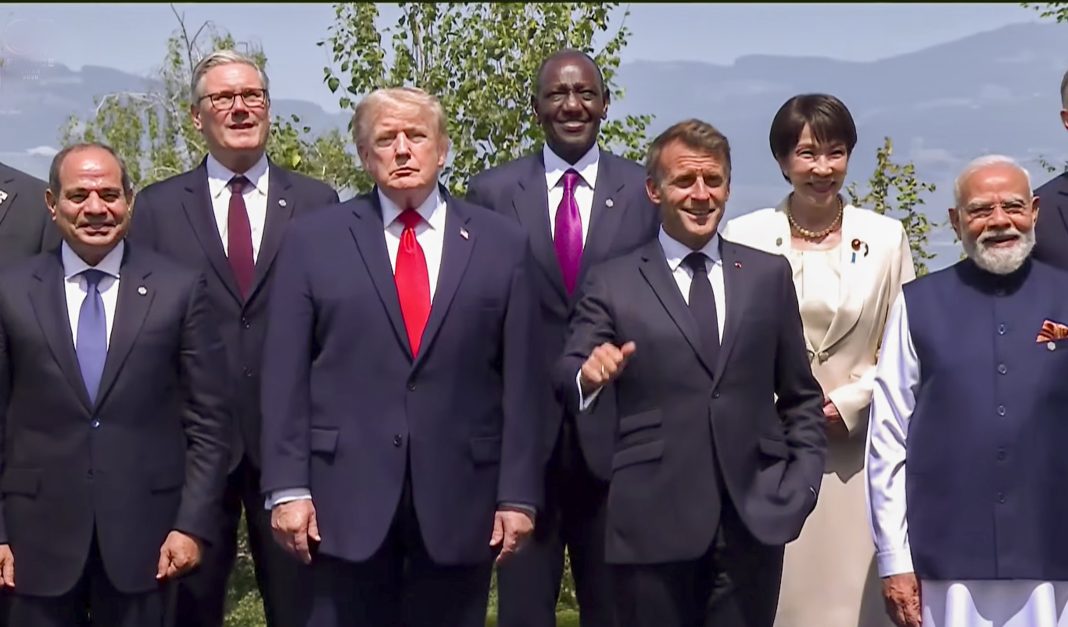
Speaking on the sidelines of the Group of Seven summit in the French Alps, Trump said, “I like the idea, send it to Congress, please.” He added, “I mean, who wouldn’t approve it?”
Republicans on Capitol Hill say they want Trump to provide more information about the agreement, with some expressing scepticism that the deal can deter Iran from pursuing a nuclear weapon.
Israel and the Lebanese government have entered into their own US-mediated direct negotiations, of which Hezbollah was not a part. Those talks have yielded several announced ceasefires that were never implemented on the ground. Lebanese officials initially tried to keep Lebanon separate from the US-Iran negotiations, not wanting to be seen as beholden to Iran, but they have since welcomed the announcement that the deal to end the US-Iran war would include a ceasefire in Lebanon.
Araghchi’s comments on Tuesday appear to match the understanding of two regional officials with direct knowledge of the interim deal. The officials, speaking to The Associated Press on condition of anonymity to discuss the closed-door negotiations, said it would require Israel to leave nearly all the territory it occupies in Lebanon, minus a few hilltop points along the border seized earlier.
The officials say Iran insisted the accord include Lebanon in the last days of the negotiations. (AP)