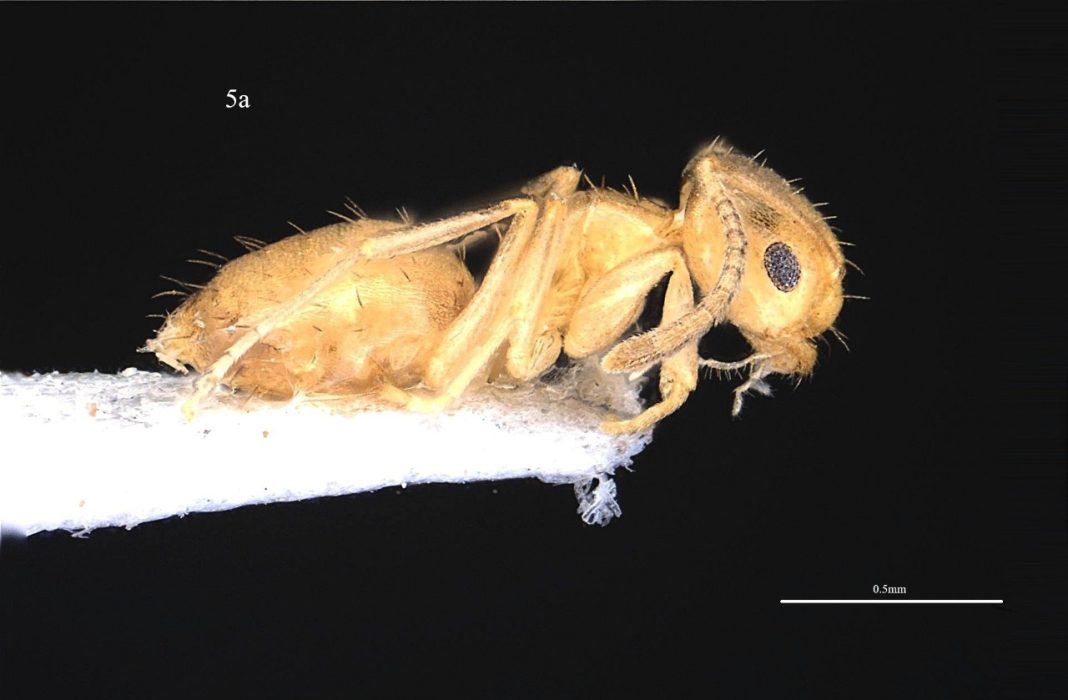

Guwahati, Dec 5: Setting a new milestone in Indian entomology, scientists have discovered two new ant species from the tea garden areas of Meghalaya and Assam. With the significant findings by Zoological Survey of India (ZSI) scientists, a completely new morphological feature, previously unknown to the global Paraparatrechina genus, has also come to the fore.
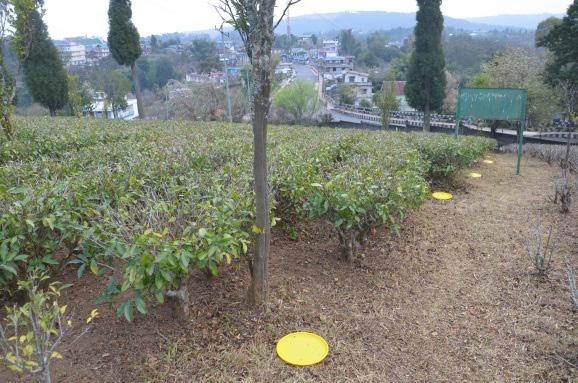
The study, published in the Journal of the Entomological Research Society, describes Paraparatrechina sohryngkham from East Khasi Hills, Meghalaya, and Paraparatrechina ali from Jorhat’s Sotai Tea Estate in Assam. Both species were collected from soil litter in tea gardens, underscoring the biodiversity hidden beneath India’s agro-ecosystems.
But what has excited scientists most is the discovery of “pinnate setae” — feather-like hairs never before recorded in this genus. These unique structures, visible under Scanning Electron Microscopy (SEM), could signal new evolutionary adaptations linked to life beneath the soil.

The SEM images reveal that these setae branch into tiny “pinnules” along their entire length, a stark departure from the sparse, tip-restricted plumose hairs previously known in other ants. The researchers note that P. ali also exhibits an intricate hexagonal pattern with micropores on the pygidium , while P. sohryngkham has deeper, tightly packed hexagonal sculpturing — another novel finding .
“These unique adaptations imply a fascinating and possibly vital role played by these ants beneath the soil,” the authors write, hinting at behavioural or ecological functions yet to be understood.
With these additions, India’s known Paraparatrechina species count rises from two to four.
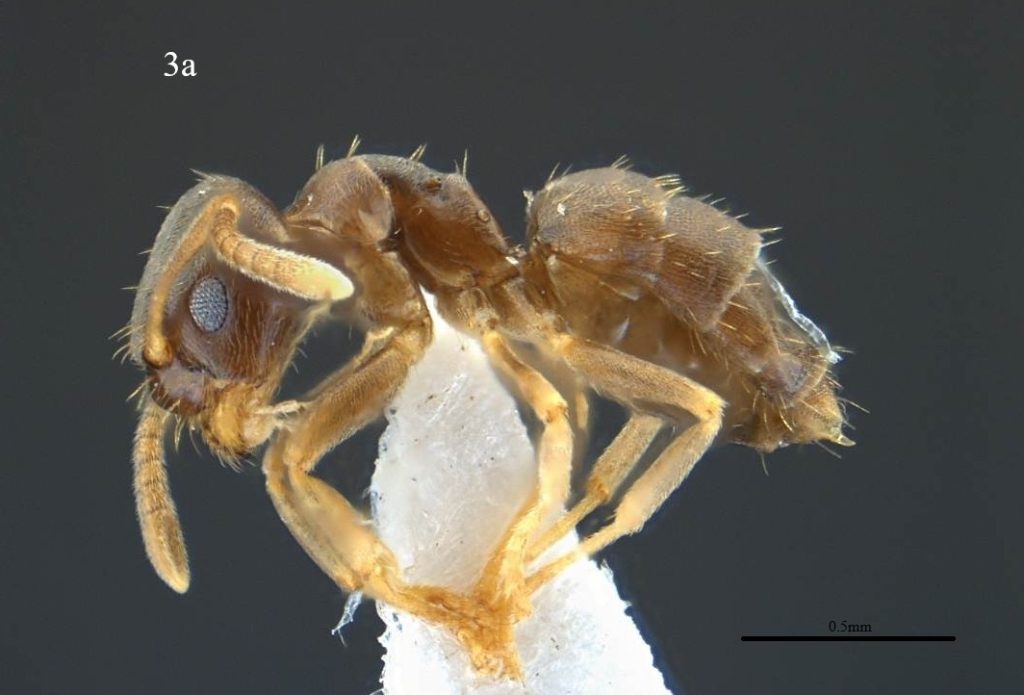
The Meghalaya species, P. sohryngkham, is named after its type locality, while P. ali honours the late Dr Musthak Ali, a pioneering Indian myrmecologist. Measurements, taxonomic keys, and high-resolution SEM plates across pages 3–7 provide detailed distinctions between the two species, including mandible dentition, mesosoma structure, sculpture patterns, and pilosity traits.
The discovery not only highlights the rich but understudied microfauna of Northeast India’s tea gardens but also adds significant insight to global Formicidae taxonomy.