
Tri Hills Ensemble festival celebrates ‘Rivers, Roots, and Revival’
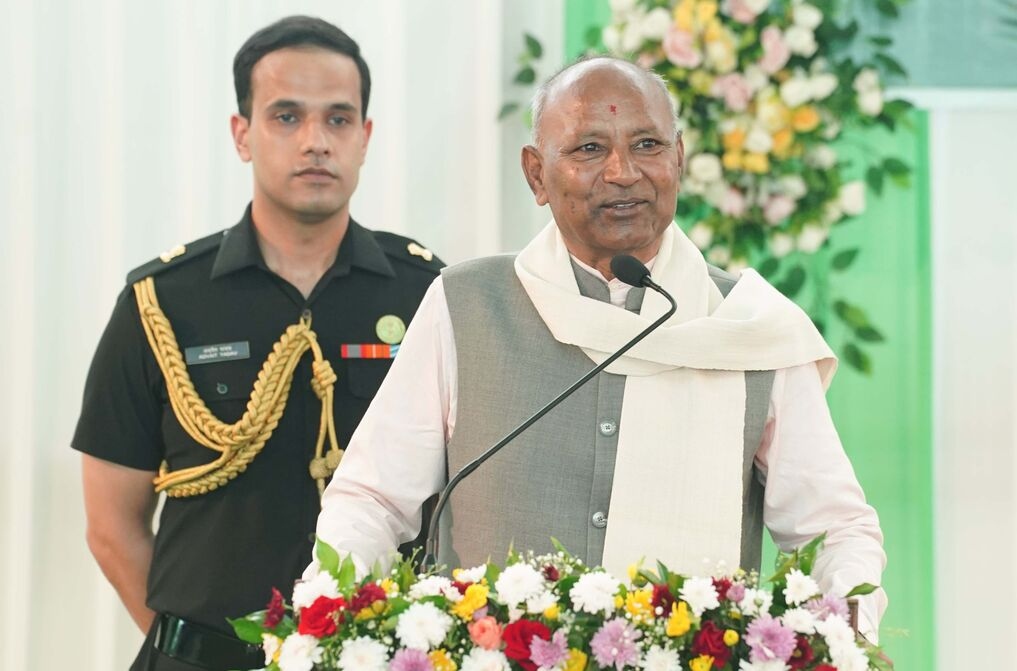
Shillong, Dec 11: Chief Minister Conrad K Sangma has underlined the need for proper documentation of history, languages, rituals, dance forms, and migratory origins of tribal communities in the state.
He highlighted the lack of documentation, saying, “In Garo culture alone, there are multiple drum beats and different steps for Wangala that only the drummers can distinguish, but there is no documentation.”
He urged students and scholars to conduct research with financial assistance from initiatives such as the Chief Minister’s Research Grant.
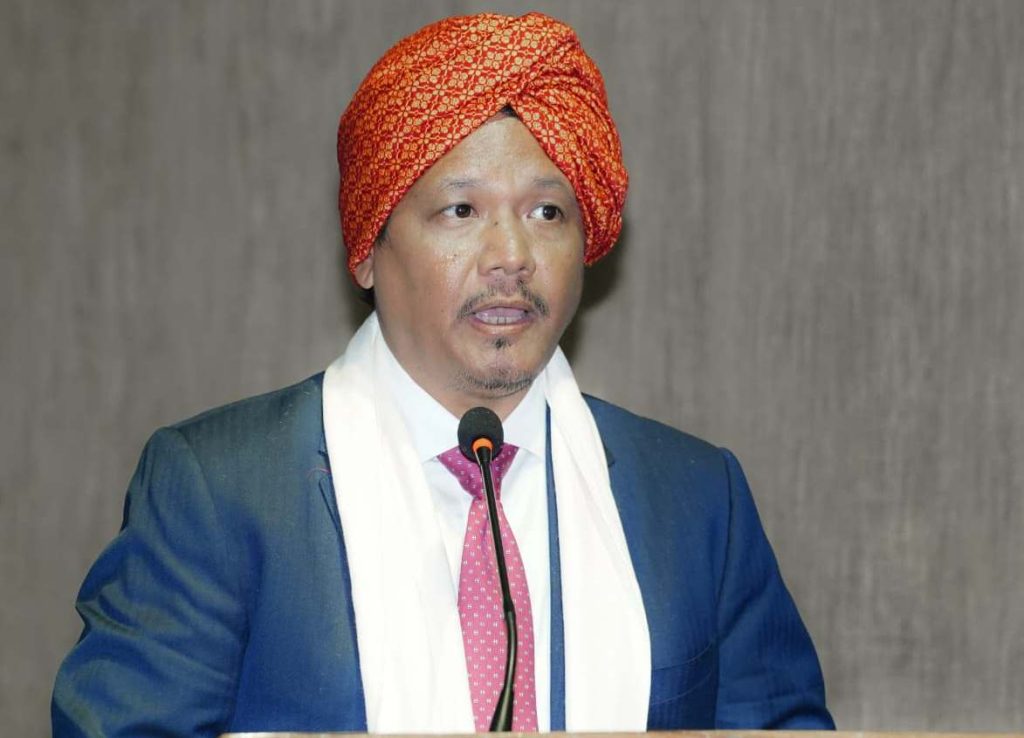
The Chief Minister also encouraged schools to stage plays on Meghalaya’s heroes such as Tirot Sing, Kiang Nongbah and Pa Togan Sangma to instill a sense of pride and unity among the youth.
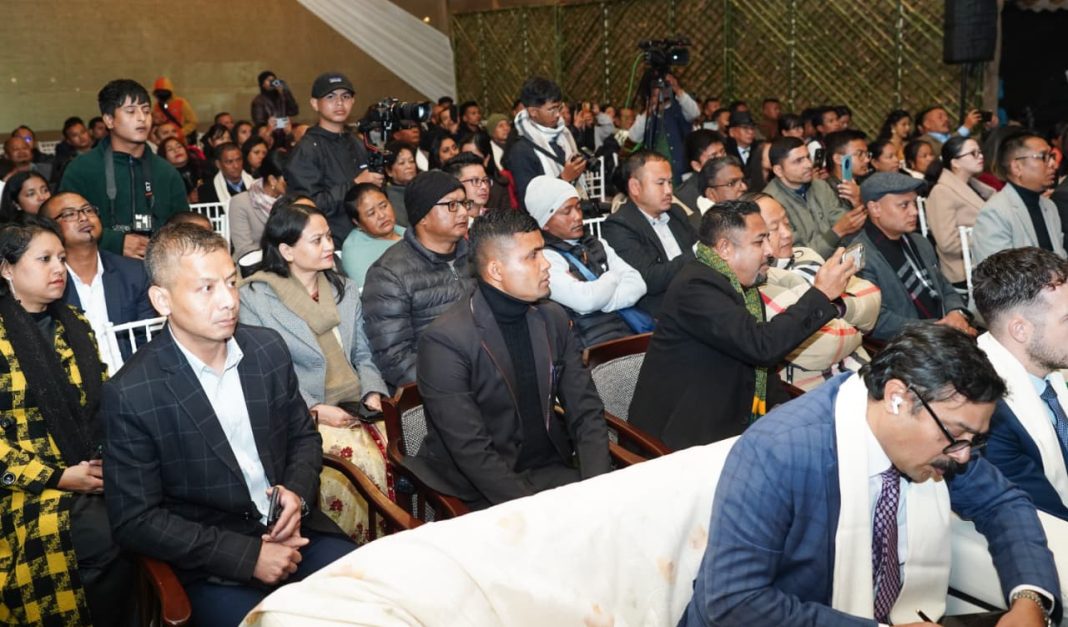
He was addressing the inauguration of the fourth edition of Tri Hills Ensemble at Ward’s Lake, Shillong on Wednesday. The festival celebrates the craft, culture, and cuisine of the Khasis, Jaintias, and Garos.
Appreciating the festival for highlighting the state’s cultural heritage, he pointed out that Tri Hills Ensemble’s this year’s theme “Rivers, Roots, and Revival” reflects the rediscovery of lost traditions, including rowing and boating competitions once held in Dawki and other areas.
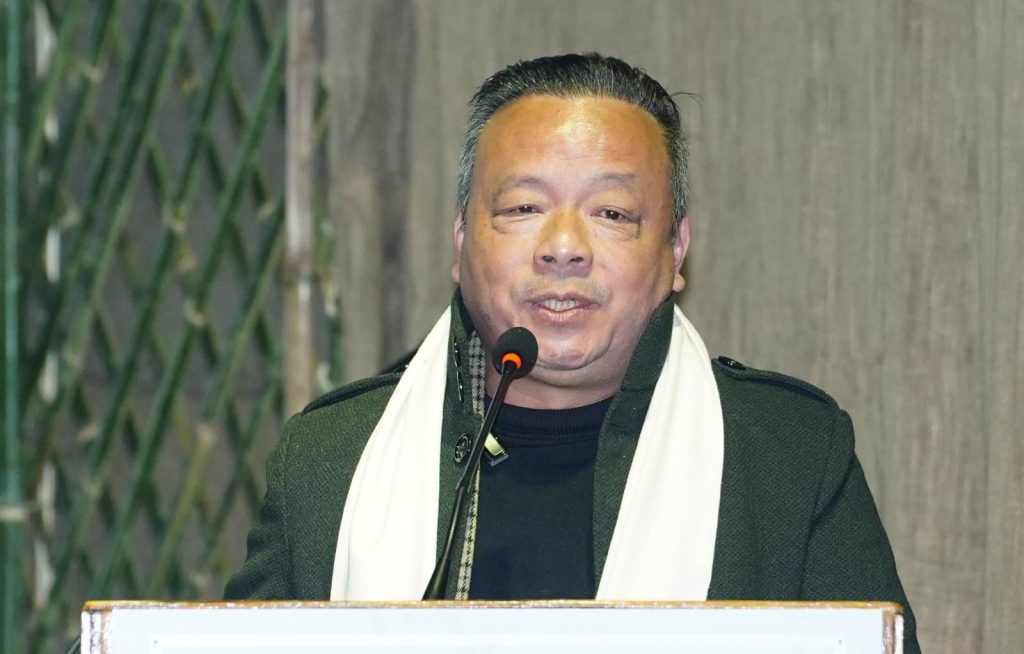
While Meghalaya continues to achieve rapid economic progress — “the second fastest growing economy in the country after Tamil Nadu” — preserving cultural identity must remain central to development, he asserted.
In his address, Arts & Culture Minister Sanbor Shullai said the festival honours the enduring heritage of the Khasi, Jaintia, and Garo people, celebrating their culture, language, music, cuisine, and craftsmanship.
Discussing the revival of traditional boat races, Shullai described it as a return of a heritage that brings together men, youth, performers, artisans, and organisers in a collective effort to keep culture alive.
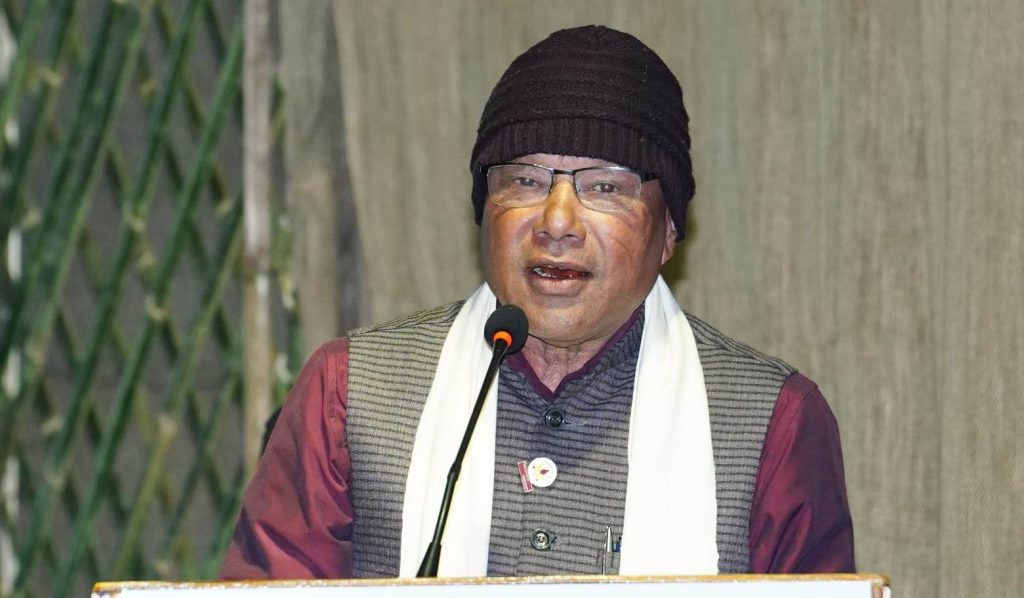
Adviser to the Government, Paul Lyngdoh, noted the importance of connecting young performers to their roots, particularly in an age shaped by artificial intelligence.
Chief Secretary Shakil P Ahammed pointed out that Chief Minister’s Research Grant has supported 48 scholars exploring indigenous knowledge, cultural practices, applied heritage research, and documentation.
Meanwhile, Eoghan O’Regan highlighted the deep friendship between Meghalaya and Wales, noting that Thomas Jones—who introduced the Khasi language to written form—remains a symbol of this bond, celebrated on Thomas Jones Day in both regions.
Referring to earlier festival speeches celebrating the living culture of the Khasi Hills, he noted that Wales shares a similar cultural spirit captured in the motto “amarhid,” meaning “still here,” reflecting pride in enduring language and culture.
O’Regan spoke of growing cultural connections, including Khasi musicians studying the Welsh harp, its therapeutic use at Gordon Roberts Hospital, and artist exchanges between Wales and Meghalaya.
He reaffirmed the Welsh Government’s commitment to support projects that build trust and open doors, and concluded by expressing excitement for the festival and acknowledging that Khasi culture is thriving.
In his welcome address, Principal Secretary Frederick R Kharkongor highlighted the festival’s focus on rivers and the revival of traditional boat races, framing it as a restoration of living heritage.

He emphasised Meghalaya–Wales cultural ties, acknowledged contributions to language, cuisine, and community initiatives, and introduced the first Mega Arts and Heritage Awards to recognise cultural pillars, emerging voices, and performers shaping the State’s cultural landscape.
Cultural performances showcased Meghalaya’s artistic diversity, featuring music by Khasi Cymru, a folk-tale musical by the Ground Breakers of Khatsaw Phra College, and a medley titled Twelve-Tet by the State Institute for Arts & Culture, representing unity across the three tribal hills and twelve districts.
The lineup also featured a performance by Bhutanese rock band Baby Floyd, supported by the Indian Council for Cultural Relations.
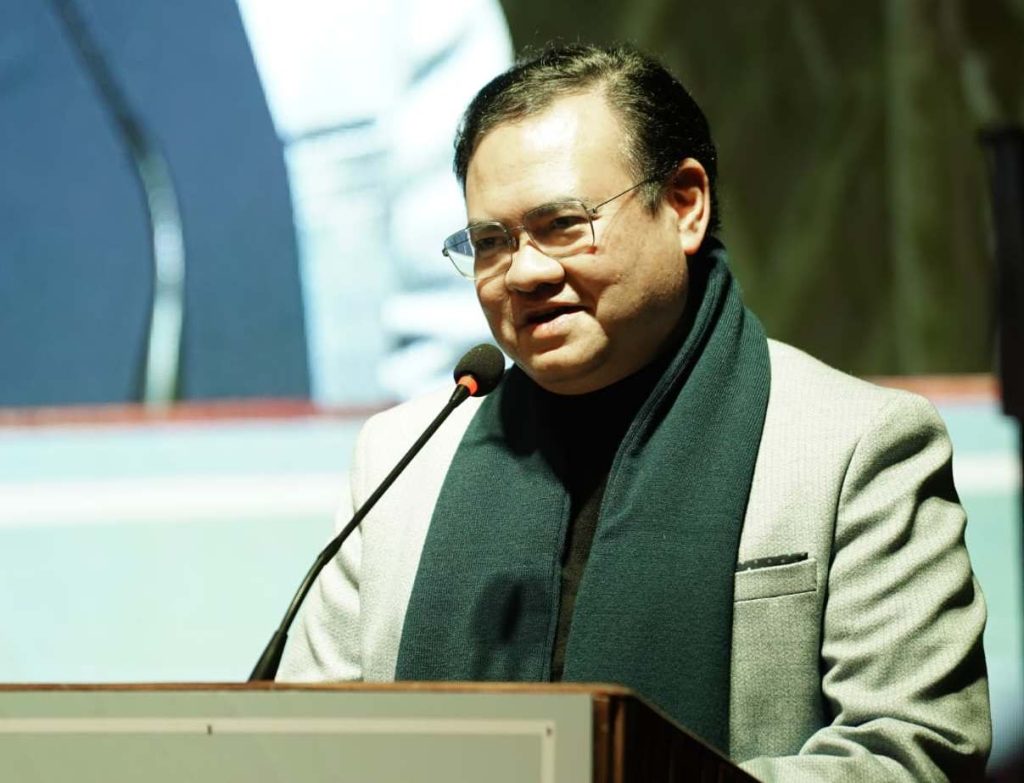
The evening included the Recognition and Award Ceremony honouring individuals and groups under the Meghalaya Culture & Cuisine Awards and the Meghalaya Arts & Heritage Awards, including promoters of the Khasi language, innovators in indigenous cuisine, community library initiatives, folklore specialists, and performers and craftsmen from across the State.
Significant releases included a preview of the film Crafting Technique of the Saitar under the Chief Minister’s Research Grant, research articles on the CMRG portal, online library membership registration, the Rasong National Tribal Festival Report, and the CMRG Report.
Book launches included works by Ana Notsu translated into Biate by Anthony Durpui and Ringmunfeli Nampui, along with contributions by Silbi Passah and Khrawbok Shadap.