
By Satyabrat Borah
Imagine a man who built an empire on diamonds, only to watch it crumble under allegations of massive fraud. He flees to a foreign land, seeking refuge in its courts, arguing that returning home would mean facing not just justice, but inhumanity behind bars. This is not just the story of one fugitive, but a recurring narrative that has haunted India’s efforts to bring back those accused of serious crimes. For years, individuals wanted in India for economic offenses, terrorism, or other grave acts have found ways to delay or block their return, often pointing to the stark realities of the country’s prison system.
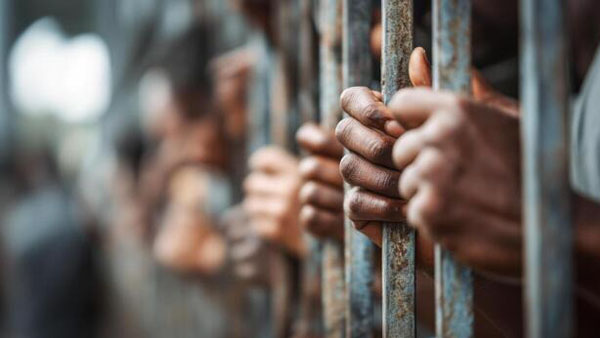
The heart of the matter lies in how foreign judges view Indian jails. In countries bound by strict human rights standards, like the United Kingdom, the Netherlands, and Australia, courts must ensure that sending someone back does not expose them to torture or degrading treatment. Reports of overcrowding, inadequate healthcare, and occasional violence in Indian prisons have become powerful tools in the hands of defense lawyers. A judge in London might pore over accounts from human rights organizations, describing cells meant for a handful of people crammed with dozens, shared toilets overflowing, and medical care that arrives too late, if at all. These images paint a picture that clashes with the principles of dignity enshrined in international conventions.
Take the case of a prominent businessman accused of defrauding banks of billions. His legal team argues passionately that the conditions in a notorious Delhi jail would violate his basic rights. The court listens, weighs evidence from both sides, and sometimes hesitates. In one instance, a British judge noted the endemic risks of violence and poor sanitation, deciding that extradition could not proceed. Similar concerns have arisen in Dutch courts, where fears of mistreatment led to outright refusals. Even in Australia, though less frequently highlighted, human rights considerations play a role in assessing requests.
Yet, these decisions are not made lightly. Foreign courts often demand assurances from India: promises that the individual will be housed in a specific barrack with better facilities, constant monitoring, and access to doctors. India has responded by offering detailed guarantees, sometimes even inviting inspections of jails like the one in Mumbai or Delhi. In some cases, these pledges tip the balance, allowing extradition to move forward. A match-fixing accused was eventually brought back after years of battles, proving that with strong evidence and commitments, barriers can be overcome. Others, involved in terrorism or arms dealings, have also been returned when assurances addressed the courts’ worries.
But behind these legal triumphs and setbacks is a deeper human story. Prisons in India hold hundreds of thousands, many awaiting trial for years. Families on the outside wait too, torn between wanting accountability and fearing what confinement means. Victims of fraud wonder if justice will ever arrive, while those inside endure conditions that test the limits of endurance. Overcrowding means less space, fewer resources, and heightened tensions. Medical needs go unmet, mental health struggles unnoticed. It is a system stretched thin, reflecting broader challenges in a vast nation grappling with poverty, backlog in courts, and resource constraints.
Critics argue that focusing on a few high-profile fugitives distracts from the everyday realities faced by ordinary inmates. Most people in Indian jails are not wealthy offenders with international lawyers; they are undertrials from marginalized backgrounds, caught in a slow grind of justice. The emphasis on special cells or enclaves for extradited individuals highlights the inequality: why must some receive better treatment to satisfy foreign courts, while others languish? It prompts an uncomfortable question: if conditions are deemed unacceptable for one, how can they be justified for anyone?
India has taken steps toward change. New guidelines aim to modernize prisons, emphasizing rehabilitation over mere punishment. Technology like video links for court appearances reduces risks, and efforts to decongest jails through faster trials or alternatives to custody are underway. Reports call for more staff, better training, and infrastructure upgrades. Signing international pacts against torture could signal commitment. Yet, progress is slow, hampered by state-level variations and funding gaps.
The fugitives’ arguments, though self-serving, shine a light on these issues. They force India to confront its prisons not just as places of detention, but as reflections of societal values. Justice demands holding the guilty accountable, but it also requires fairness and humanity in how punishment is administered. When foreign courts block returns, it stings national pride and delays closure for victims. But perhaps it also serves as a catalyst, pushing for reforms that benefit everyone inside those walls.
The story is not merely about numbers: how many requests sent, how many denied. It is about people. The banker who lost savings to fraud, hoping for restitution. The inmate shares a tiny space with strangers, dreaming of freedom. The family visited through barred windows, clinging to hope. And the fugitive, far away, using the system’s flaws to stay put. These threads weave a complex tapestry, reminding us that true justice transcends borders and bars. It requires not just catching the runaway, but ensuring the cage is humane for all.
Reforming prisons would not only ease extraditions but restore faith in the system. It would mean fewer denials abroad and more dignity at home. Until then, the debate continues, a poignant reminder that behind cold statistics lie warm human lives, waiting for a fairer tomorrow.