
By Satyabrat Borah
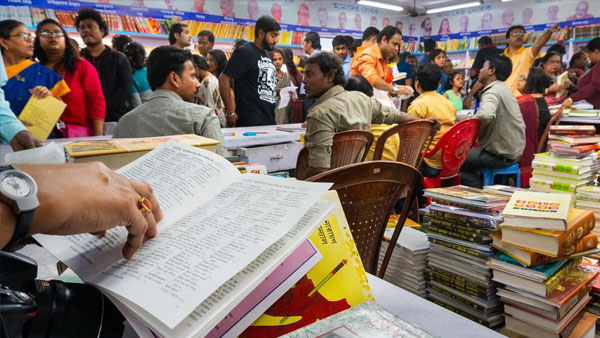
Imagine walking into a bustling book fair, the air thick with the scent of fresh pages, stalls overflowing with colorful covers, and voices buzzing about favorite stories. It’s meant to be a celebration of words, ideas, and imagination. But what if fewer and fewer people show up? What if the crowds thin out year after year? Suddenly, that vibrant event starts to feel hollow. Without a steady stream of passionate readers, especially from the younger generation, organizing a book fair begins to lose its true purpose.
Book fairs are more than just places to sell books. They are cultural gatherings where authors meet fans, publishers discover new talents, and communities bond over shared love for literature. In places like India’s Guwahati or Assam Book Fair, these events have long been highlights of the year, drawing families, students, and book lovers together. Yet, in recent times, a quiet concern has emerged: young people are drifting away from books. They skim headlines on phones, scroll through endless feeds, and watch quick videos, but deep, sustained reading feels like a relic of the past. If this trend continues, book fairs risk becoming mere commercial ventures, stripped of their soul.
The numbers tell a worrying story. Globally and in India, leisure reading among youth is on the decline. Surveys show that while literacy rates climb, the habit of reading for pleasure is slipping. In India, adults reportedly spend impressive time reading—around 10 hours a week on average, one of the highest globally—but much of this is tied to work or education, not pure enjoyment. Among the young, the picture darkens. Studies indicate that only a fraction of teenagers and young adults pick up books regularly outside of school requirements. Social media platforms, with their bite-sized content, have reshaped attention spans. Short reels and posts deliver instant gratification, making the slow reward of turning pages in a novel seem less appealing.
This shift isn’t just about preference; it has real consequences. Deep reading builds empathy, critical thinking, and focus—skills that fragmented online consumption often skimps on. When young people turn primarily to screens for information and entertainment, they miss out on the immersive worlds that books offer. Sure, there are bright spots. Communities like BookTok on TikTok have sparked interest in certain titles, boosting sales for young adult fiction and self-help books. Viral recommendations can turn an obscure novel into a bestseller overnight. But even here, the engagement is often superficial: quick reviews, summaries, or aesthetic photos rather than full, thoughtful dives into the text.
In regions like Assam, efforts are underway to push back against this tide. The state government declared 2025 the “Year of Books,” a bold move to revive reading culture. Book fairs expanded to multiple cities, with the flagship Guwahati event running for days at a grand venue. Record sales—nearly 7 crore rupees—and huge crowds showed enthusiasm, especially with initiatives like honoring young writers and providing book allowances for employees. Families flocked to stalls, children explored picture books, and publishers reported brisk business. These steps highlight how book fairs can reignite interest when supported thoughtfully. They bring books within reach, host discussions, and create excitement around literature.
Still, the core challenge remains: pulling the younger generation back in. Many teens admit they rarely read for fun, citing lack of time or interest sparked by digital distractions. Parents and educators notice it too—home libraries gather dust while screens glow late into the night. Without addressing this at the roots, book fairs might attract older loyalists but struggle to inspire new ones. Publishers could end up focusing on safe, high-selling genres, while diverse voices and challenging works fade.
So, how do we turn this around? It starts small, in homes and schools. Parents reading aloud to children, even as they grow older, fosters lifelong habits. Schools can carve out time for free reading, without assignments attached, and build inviting libraries. Communities might host casual book clubs where teens discuss graphic novels, fantasy series, or trending picks from social media. Leveraging the positives of digital tools—apps for ebooks, online forums—can bridge the gap, easing the transition to physical books.
Book fairs themselves hold immense potential as catalysts. They are festive, accessible, and social. Imagine more interactive zones: author chats tailored to youth, workshops on creating comics, or tie-ins with popular online trends. Discounts for students, free entry for school groups, and collaborations with influencers could draw crowds. In Assam’s recent fairs, the energy from national publishers and local talents showed what’s possible when events feel inclusive and exciting.
Ultimately, book fairs thrive on readers, and readers thrive on book fairs. They feed each other in a beautiful cycle. If we neglect growing that readership, especially among the young who will carry the torch forward, these beloved events could dim. But with deliberate effort—from governments, families, schools, and the industry—we can nurture a revival. Books have the power to transform lives, offering escape, insight, and connection in ways screens often can’t match. In a world overflowing with noise, the quiet magic of reading deserves protection.
Let’s commit to it. Pick up a book today, share it with someone young, and visit the next fair with fresh eyes. The flame of reading isn’t out—it’s just waiting for more of us to fan it back to life. When readers multiply, book fairs won’t just survive; they’ll flourish as the heartbeats of our cultural landscape.