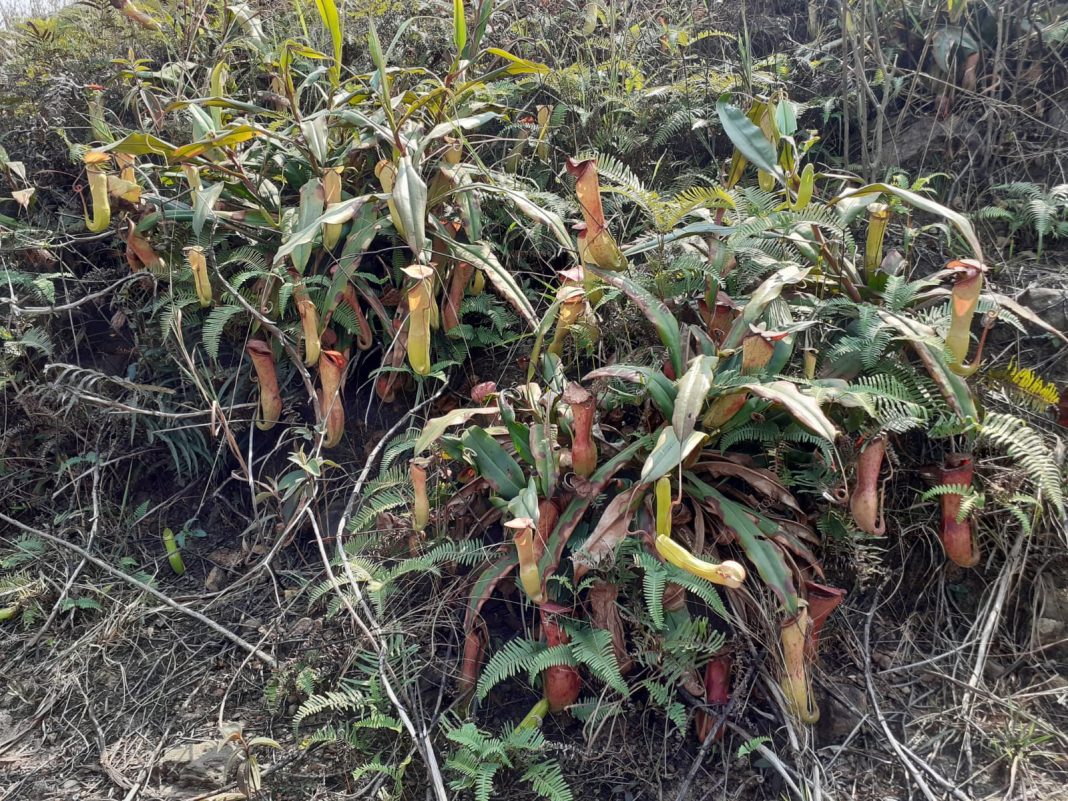

Nepenthes khasiana is found nowhere else in the world except Meghalaya and is classified as Endangered by IUCN
ROOPAK GOSWAMI
Shillong, June 10: Meghalaya’s endangered pitcher plant may be one of the state’s most celebrated botanical treasures, but a new study suggests its centuries-old medicinal legacy is at risk of disappearing as younger generations increasingly lose touch with traditional knowledge.
The study, conducted by Anindita Bhattacharya, Sarah G. Momin and Prabal Sarkar and published in Plant Science Today, surveyed residents across the Garo, Khasi and Jaintia Hills and found that while the endemic pitcher plant (Nepenthes khasiana) continues to play a significant role in rural healthcare, knowledge of its medicinal uses is concentrated among older residents.
Researchers found that more than 90% of respondents above 50 years of age knew about the plant’s medicinal value, compared to just 26% among young people. Actual use of the plant as medicine showed an even sharper generational divide, with only 5.8% of young respondents reporting its use, against 38.3% among older residents.
The findings are significant because Nepenthes khasiana is found nowhere else in the world except Meghalaya and is classified as Endangered by the International Union for Conservation of Nature (IUCN). The species is also protected under international trade regulations.
The survey revealed that the plant is traditionally used to treat a wide range of ailments, including eye disorders, kidney problems, skin diseases, leprosy, stomach ailments, diabetes and certain gynaecological conditions. Treatments for eye ailments emerged as the most common use.
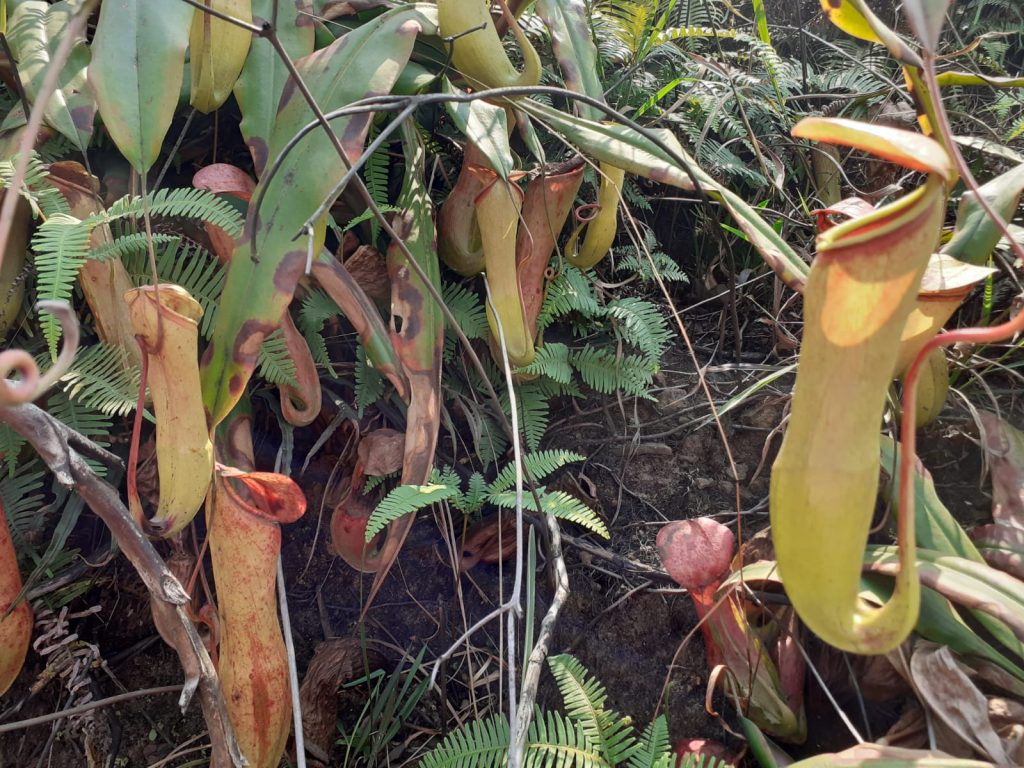
Researchers also documented which parts of the carnivorous plant are most valued. Nearly half of respondents said the liquid naturally contained inside the pitcher is used medicinally, making it the most sought-after component, followed by the pitcher itself.
One of the study’s more striking findings was that despite Meghalaya’s global association with the species, awareness of its unique status remains limited. More than 55% of respondents were unaware that the pitcher plant is endemic to Meghalaya.
The researchers found strong regional differences as well. Residents of Jaintia Hills reported the highest use of the plant for medicinal purposes, while people in Garo Hills showed the highest awareness of its endemic status.
Conservation attitudes were also mixed. While many respondents supported protecting the species because of its medicinal value, around 40% expressed no particular interest in the species’ conservation. The study noted that younger people in parts of the Garo and Khasi Hills appeared especially disconnected from conservation concerns surrounding the plant.
The authors emphasise that the decline of traditional knowledge, coupled with habitat loss and continued harvesting, could further threaten the survival of the species. They call for stronger public awareness campaigns, greater involvement of local communities and traditional healers, and the integration of pitcher plant conservation into biodiversity and livelihood programmes.
Unlike earlier studies that primarily documented the medicinal uses of Meghalaya’s pitcher plant, this research goes a step further by measuring people’s knowledge, attitudes and conservation awareness through a large survey across all three hill regions. It provides one of the first statistical snapshots of how traditional knowledge about the endangered species is being retained among older generations and lost among younger people in Meghalaya.