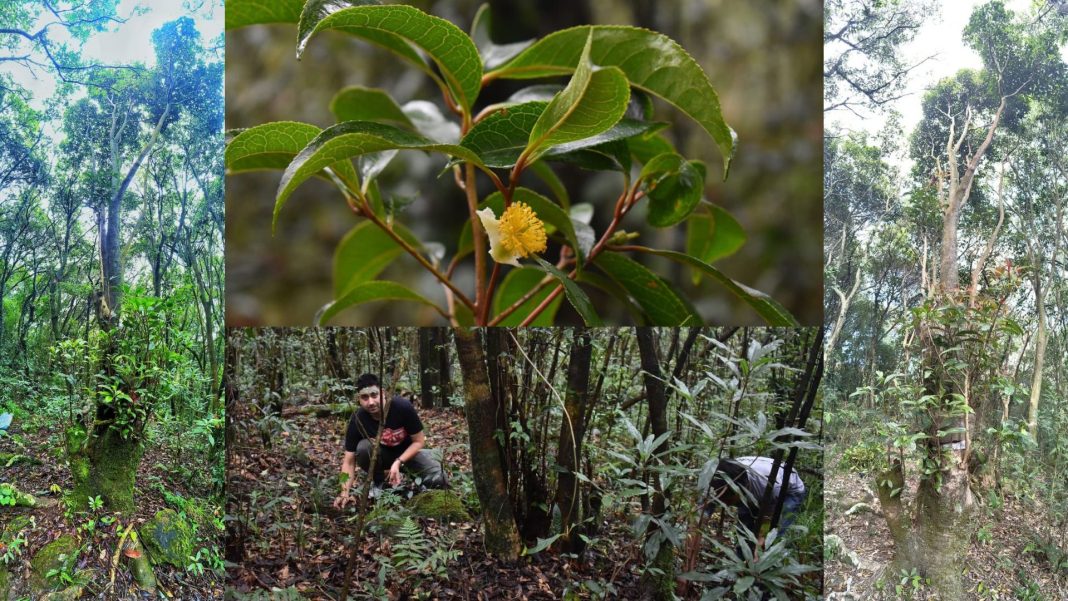

The researchers found that precipitation is the dominant factor determining the species’ habitat suitability.
ROOPAK GOSWAMI
Shillong, Sept 27: Climate change could significantly alter the habitat of Pyrenaria cherrapunjeana, a critically endangered and endemic tree found in Meghalaya, with future projections showing both potential habitat expansion and severe contraction depending on climate models and emissions scenarios.
The findings are from a study published in the Proceedings of the Indian National Science Academy, authored by Makbul Alom, Aabid Hussain Mir and Nazir Ahmad Bhat. The researchers used species distribution modelling to assess the tree’s past, present and future habitat suitability.
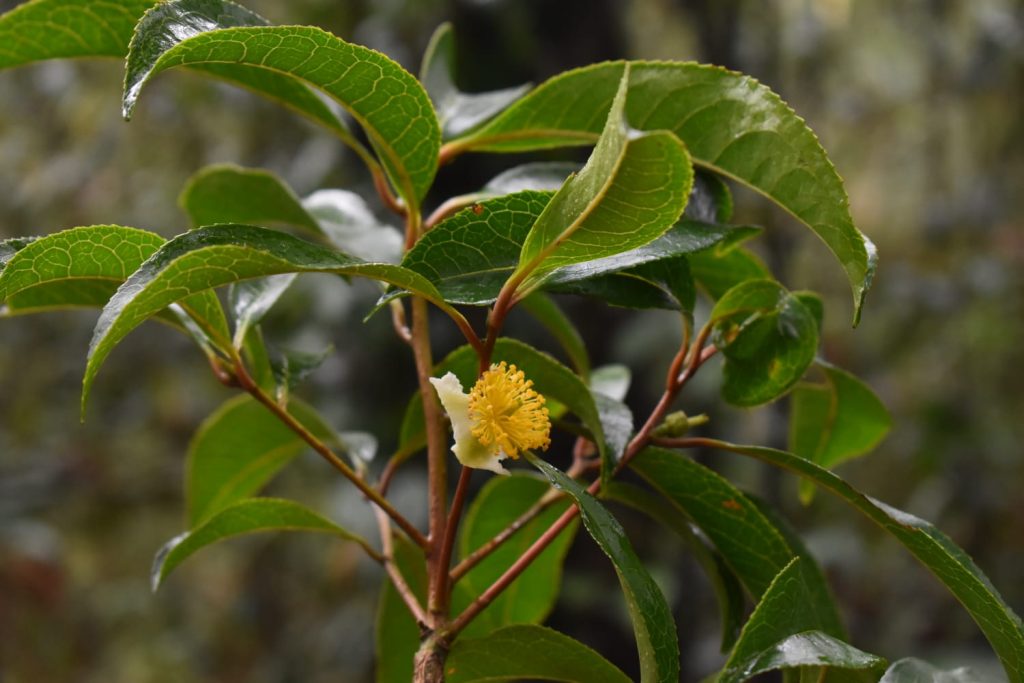
The study is based on field surveys conducted between January 2020 and November 2024, during which the researchers recorded the species at seven locations—Mawmluh 1, Mawmluh 2, Marai Kaphon, Mawkasain, Mawrapat, Mawsynram and Sohrarim. The surveys indicated a limited distribution, poor regeneration and an unbalanced population structure.
The researchers found that precipitation is the dominant factor determining the species’ habitat suitability. Annual precipitation alone accounted for 97.1% of the model contribution, while temperature seasonality contributed 2.2%. Moisture availability during the driest month was also important.
The model estimated the current potentially suitable habitat at 1,633.36 sq km. However, around 62% of this area was classified as low suitability, 25% as medium, 11% as high and just 0.95% as very high suitability.
Future projections produced contrasting results. The BCC-CSM2 climate model indicated an overall expansion of suitable habitat through the century, while the HadGEM3-GC31-LL model projected an initial expansion followed by substantial contraction after mid-century. Under the latter model, high and very high suitability areas could disappear by 2081–2100.
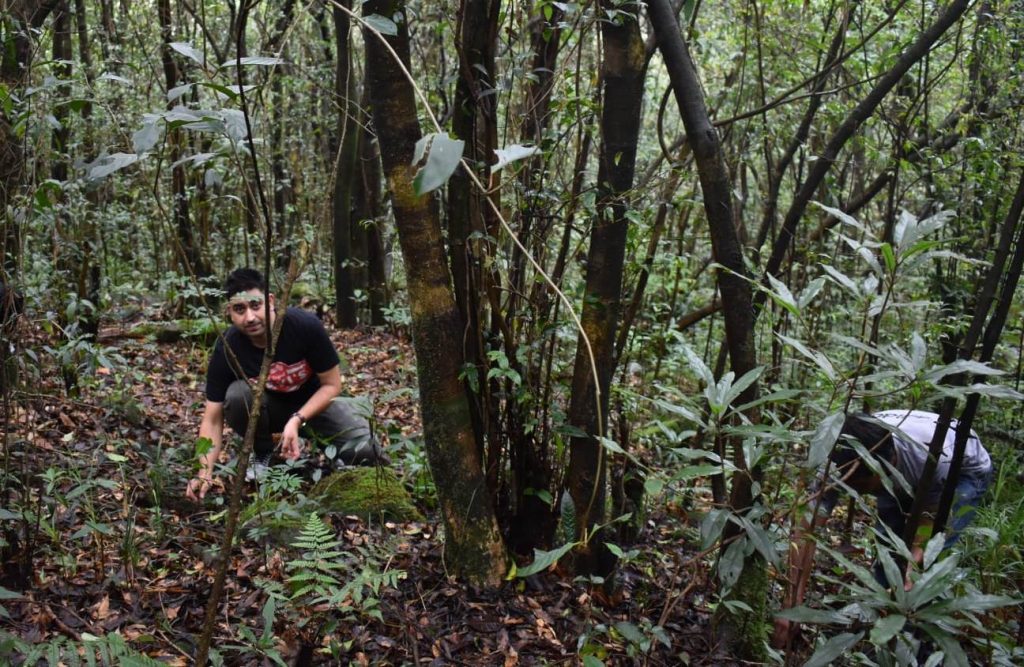
The study also projects a north-westward shift in suitable habitat, with centroid displacement exceeding 40 km under some model-scenario combinations.
For conservation planning, the researchers identified 609.13 sq km of medium, high and very high suitability areas for potential reintroduction. Of this, 369.34 sq km is forest cover. Locations identified include parts of the Khasi and Garo Hills, including areas around Cherrapunjee, Mawsynram and Mawmluh.
The researchers caution that climate suitability alone cannot guarantee survival. Regeneration capacity, existing forest cover, proximity to surviving populations, human disturbance and long-term monitoring will also determine whether reintroduction succeeds.
The study concludes that conservation planning for P. cherrapunjeana should combine climate projections with ecological and land-use information, while accounting for considerable uncertainty between climate models.