
Exclusive | The Meghalayan Express | By Prarthana Hazarika
Shillong, Nov 19: Cricket’s increasingly demanding calendar, with multiple formats, packed international schedules and franchise leagues, has made physical conditioning an indispensable part of the modern game. For fast bowlers, in particular, managing workloads while maintaining strength, speed and endurance remains one of the biggest challenges in high-performance cricket.
But strength and conditioning is not simply about making players stronger or prescribing more exercises. It is about understanding individual requirements, the demands of the game and the right training intervention at the right time.
In an exclusive interaction with The Meghalayan Express, Nishanta Bordoloi, High Performance Strength and Conditioning Coach at the BCCI Centre of Excellence, explains why individualised training, sports science and long-term athlete development are central to building physically prepared cricketers.
Emphasising that performance must remain the primary objective of conditioning, Bordoloi said, “The primary domain of strength and conditioning is to enhance physical performance. Injury prevention is a by-product of good physical performance preparation.”
He believes that one of the biggest misconceptions about strength and conditioning is the assumption that every player requires the same training intervention simply because they play the same sport.
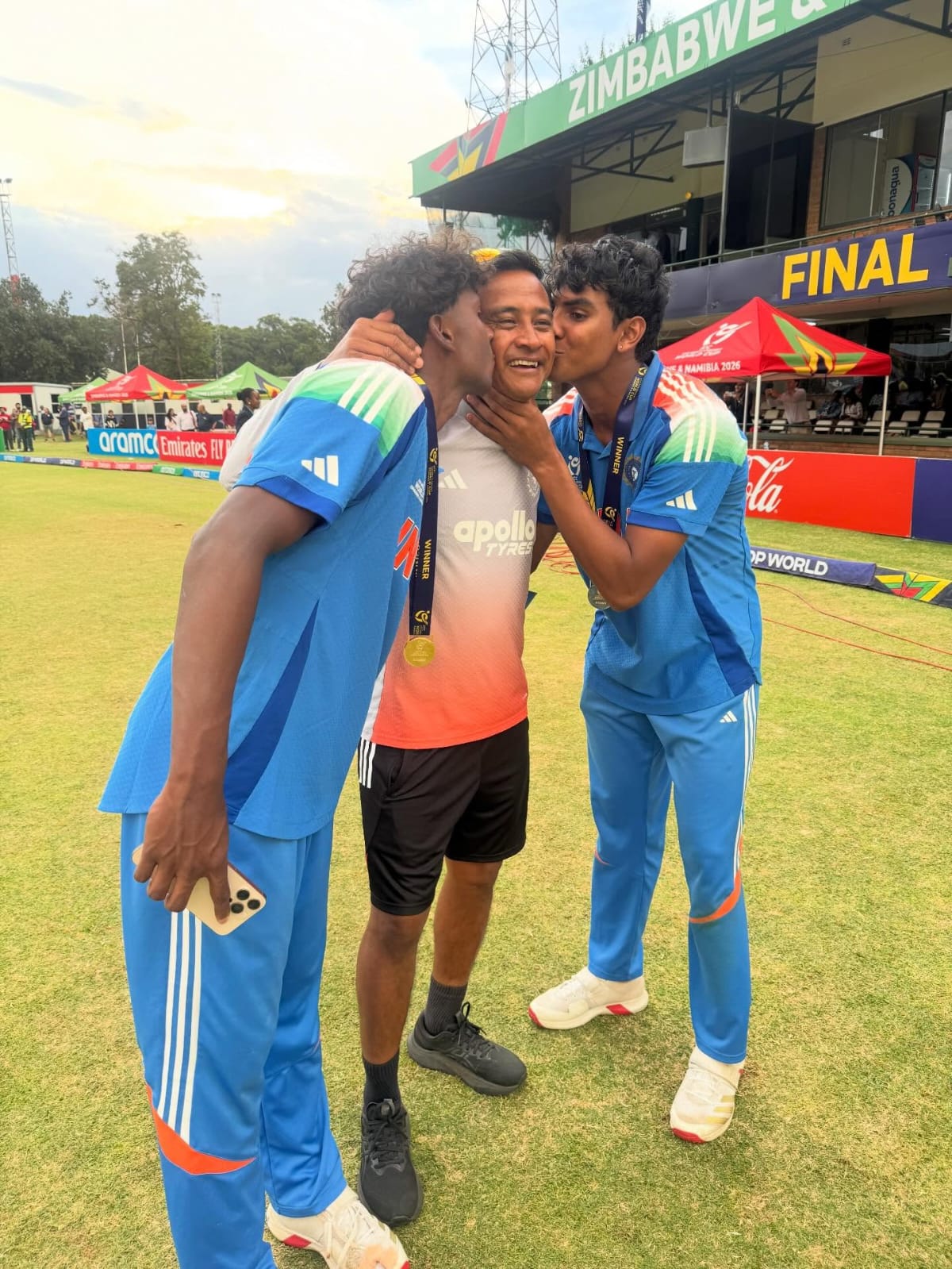
“Each individual is different, even when playing the same sport, which demands similar physical movements. Their physical abilities and requirements vary depending on their roles,” he said.
According to Bordoloi, training programmes must be designed around the player’s requirements, the phase of the season and the demands of competition. Exercise prescription, loads, volume and exercise sequencing need to change across the off-season, pre-season and competitive phases.
Explaining the importance of individualised preparation, he drew an analogy with food.
“If somebody already has rice on the plate, would you give them more rice or add some dal, vegetables and salad? Similarly, if a player is already covering a lot of power-based activity on the ground, would you still make them do more power training or supplement it with what they actually need?” he asked.
“It is not just about recommending exercises. That is where the expertise of an S&C coach, experience and practical understanding come in.”
With the growing demands of modern cricket, Bordoloi said sports science has significantly strengthened the ability of coaches to assess and monitor players. Tools such as Rate of Perceived Exertion (RPE), heart-rate monitoring, wellness assessments, movement and musculoskeletal screening, force decks, Velocity-Based Training (VBT) and GPS data are now important components of physical profiling.
“Physical profiling of a player helps us understand the physical ability and capacity of the athlete and then plan the interventions,” he explained.
While cricket is predominantly anaerobic in nature, Bordoloi stressed that aerobic conditioning remains equally important in preparing players for the demands of multiple formats and extended schedules.
“Though the game is anaerobic in nature, there is a big demand to ensure the nurturing of aerobic capacity,” he said.
He also highlighted that workload management cannot be restricted to individual training sessions. Coaches must consider the demands of ongoing tournaments as well as upcoming competitions.
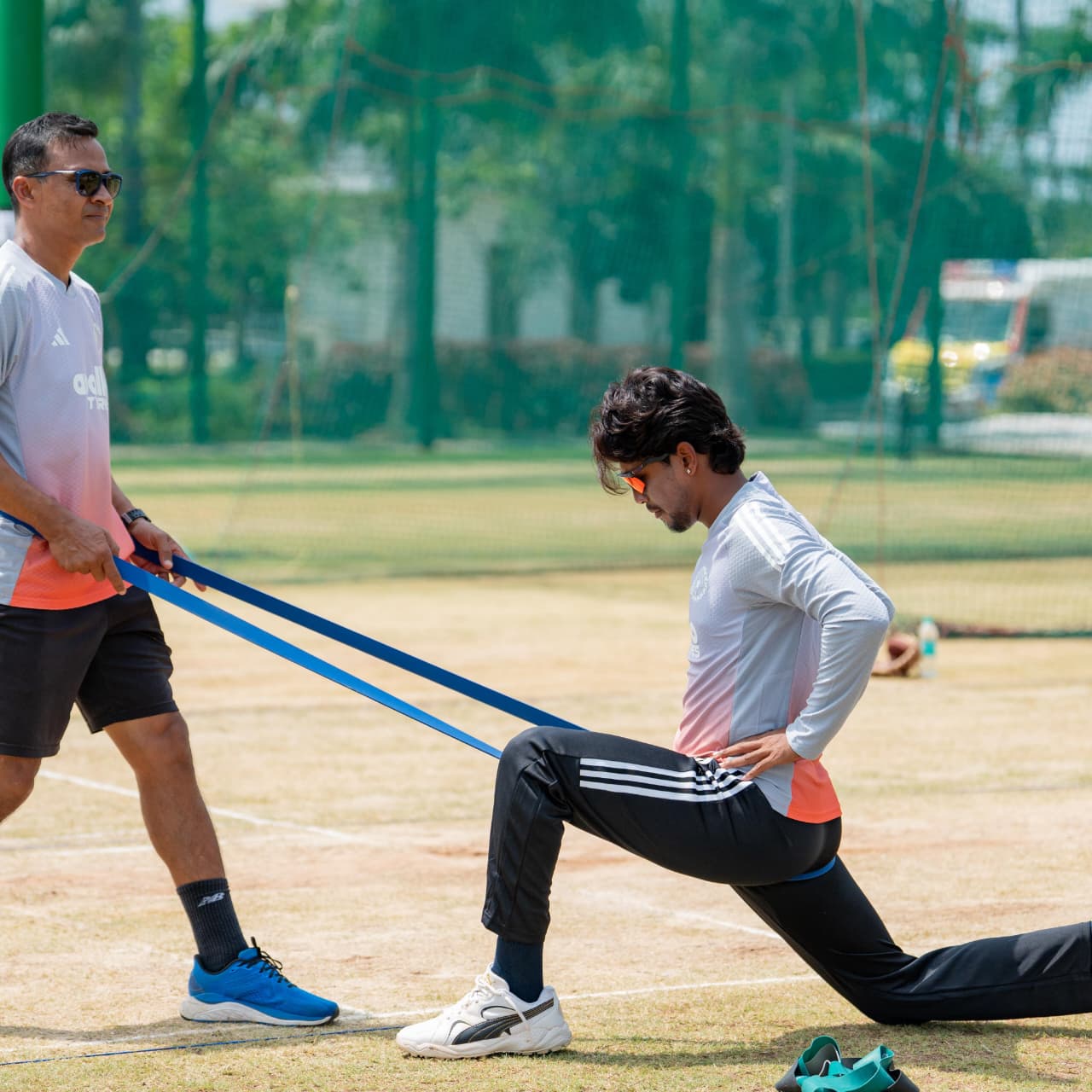
“An experienced S&C coach will understand the load of that particular day, the tournament loads and future tournaments. Planning is not just micro; it is macro, broken down into micro, meso and session cycles,” Bordoloi said.
Importantly, physical preparation is not measured simply by the amount of training a player completes.
“It is not always about how much you train, how much you run and how much strength training you do. Planned rest, recovery, hydration and nutrition are also part of physical preparation. CNS (central nervous system) recovery plays a major role along with peripheral recovery,” he added.
Looking beyond international cricket, Bordoloi believes India’s biggest opportunity lies in strengthening the physical foundations of athletes at the grassroots level.
He emphasised that strength and conditioning should not be introduced only when a player enters an elite academy or reaches the state and national levels. Instead, its fundamentals should become part of physical education in schools.
“S&C, which we call PE in schools, should start from the formative years in schools, academies, clubs and districts,” he said.
Advocating the Long-Term Athlete Development (LTAD) approach, Bordoloi called for children to be introduced to physical activity through play-based methods before gradually progressing towards structured training.
“From the growing-up years, we should follow the principle of Long-Term Athlete Development, which encourages physical training from the age of three onwards in a play-way method. Gradually, we should progress to fundamental movement skills, teaching rudimentary movements, moving towards soft resistance training and eventually training to perform,” he explained.
He also underlined the importance of exposing children to different sporting disciplines rather than restricting them to a single sport at an early age.
“Encourage movement, outdoor activities, court and field sports, and allow children to play different sports. Promote athleticism, which will help improve the overall paradigm of fitness,” Bordoloi said.
For Indian cricket, the message is clear: identifying talent is only the beginning. Developing athletes with the physical foundation to withstand the demands of elite competition requires a structured approach, scientific planning and investment in conditioning from the formative years.