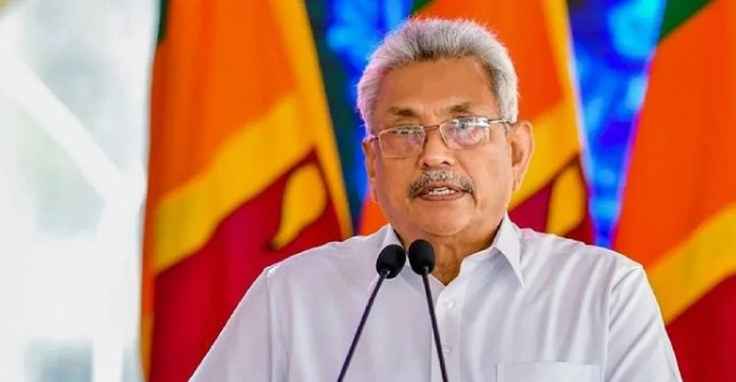

Colombo, Nov 25: Sri Lanka’s top court on Wednesday scheduled March 5, 2027, to consider former president Gotabaya Rajapaksa’s appeal seeking protection from arrest under anti-terrorism laws in connection with the 2019 Easter Sunday bombings that killed nearly 270 people.
Rajapaksa, 77, served as president from 2019 until he was forced to step down amid mass anti-government protests in mid-2022.
A three-judge Supreme Court bench headed by Justice Mahinda Samayawardhena fixed March 5, 2027, to consider Rajapaksa’s appeal challenging a Court of Appeal decision dismissing his petition seeking to prevent his arrest under the Prevention of Terrorism Act (PTA).
Rajapaksa had moved the apex court in October seeking an order to prevent the police’s Criminal Investigation Department (CID) from arresting him after his passport had been impounded.
Separately, the Colombo Fort Magistrate’s Court on Wednesday rejected Rajapaksa’s request to temporarily lift the overseas travel ban imposed on him in connection with the investigation into the Easter attacks.
The court also asked the police to report to it if he would be named a suspect in the case.
In June, the court imposed an overseas travel ban on the former president, a move seen as a possible precursor to his arrest in connection with the Easter attacks investigation.
Rajapaksa had sought permission to travel to Singapore for follow-up medical examinations and treatment following heart surgery.
The travel ban is linked to ongoing proceedings against three suspects, including former State Intelligence Service Director Major General (retd.) Suresh Sallay, over allegations of concealing information and misleading investigations into the attack.
Sallay has been under detention since February for allegedly masterminding the attack to help Rajapaksa gain political power. Rajapaksa was overwhelmingly voted into power seven months after the attack. However, Rajapaksa has not been named an accused in the case.
In September, a Sri Lankan court found 15 people guilty of involvement in the 2019 Easter attacks and sentenced each of them to more than 200 years in prison.
Nine suicide bombers belonging to the local Islamist extremist group National Thawheed Jamaat, linked to ISIS, carried out coordinated attacks on three Catholic churches and three luxury hotels on April 21, 2019, killing nearly 270 people, including 11 Indians, and injuring more than 500.
In July, former police chief Pujith Jayasundera and Hemasiri Fernando, then the top bureaucrat in the Defence Ministry, were sentenced to death after being found guilty of criminal dereliction of duty for failing to act on prior intelligence that could have prevented the attacks. (PTI)