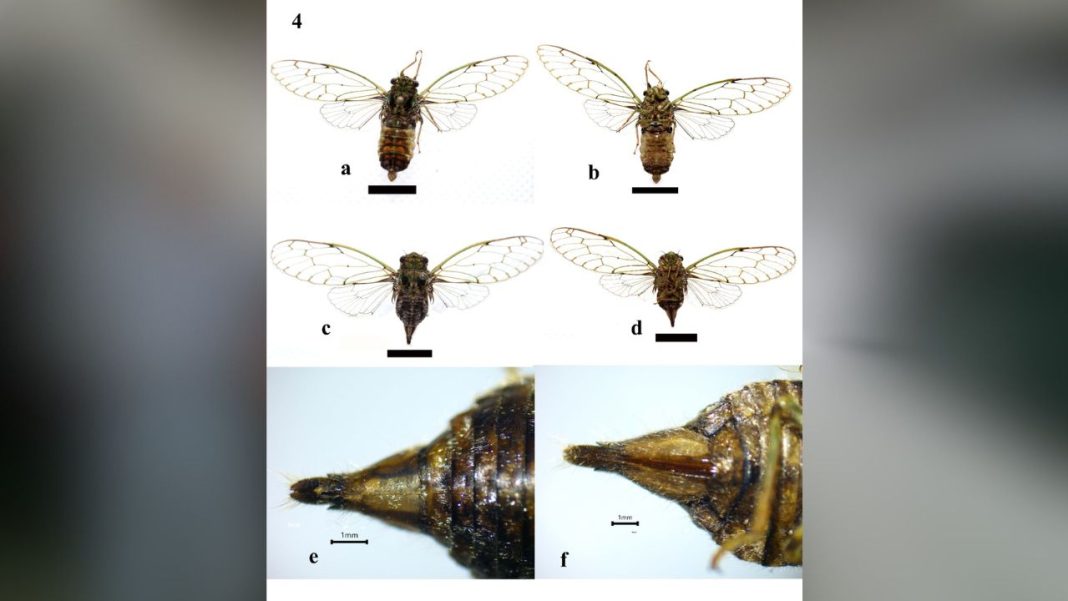

Researchers, along with local guide Wanshaibor Wahlang, first detected the cicada by its calls in May 2023, after which the species was collected for detailed examination.
ROOPAK GOSWAMI
Shillong, Oct 27: The forests of Mawphlang in Meghalaya’s East Khasi Hills have yielded a new species of cicada, adding to the biodiversity of the state’s forest ecosystems.
The species, named Neoterpnosia mawphlangensis, was identified by researchers Anastasia Ting and Dr Jane Wanry Shangpliang in a study published in the Journal of Threatened Taxa.
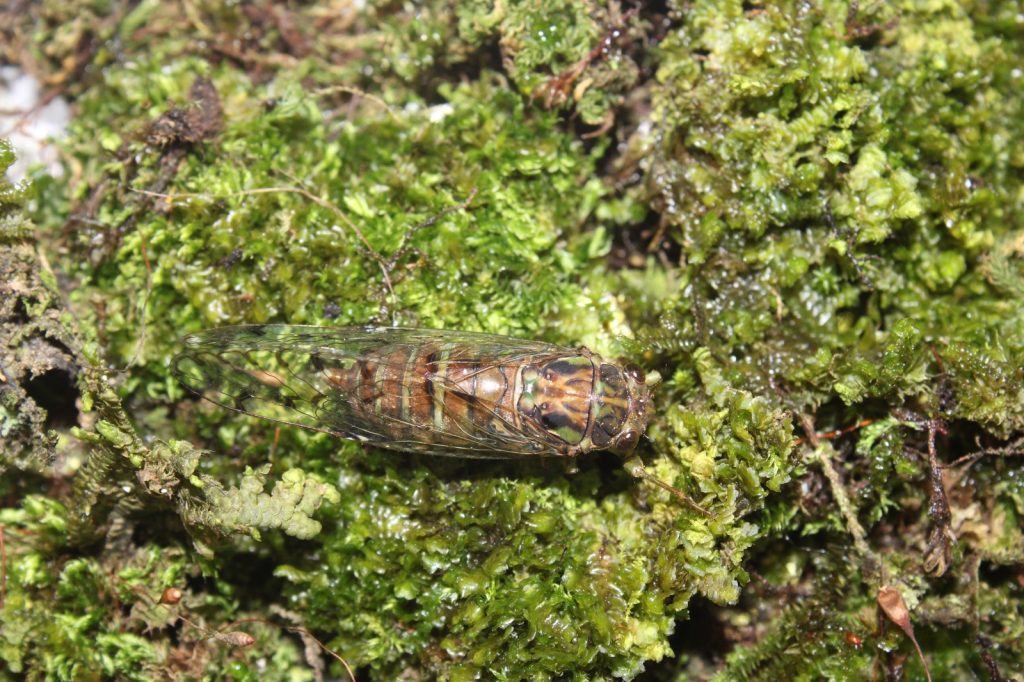
The researchers identified the species through an examination of its physical features and an analysis of its calls, which distinguish it from other known members of the genus Neoterpnosia.
Researchers, along with the local guide Bah Wanshaibor Wahlang, first detected the cicada by its calls in May 2023, after which the species was collected for detailed examination.
The new species is distinguished by characteristic structures in the male reproductive organs, along with distinctive markings on its transparent wings. These features helped researchers establish that it was different from previously documented species.
The cicada has been recorded in Mawphlang Sacred Grove and surrounding hills, including Mawkdok, Mawjrong, Laitsohpliah and Sohra in East Khasi Hills, at elevations of 1,378 to 1,605 metres.
The study found that the species is active mainly around dawn and calls from the upper branches and foliage of subtropical pine forests. Males typically begin singing at around 6 pm, often forming a chorus that can continue for about 30 minutes under suitable weather conditions.
The insects were observed calling during misty and rainy weather but stopped during heavy rain. Researchers also noted that they are well camouflaged among moss and are not attracted to light.
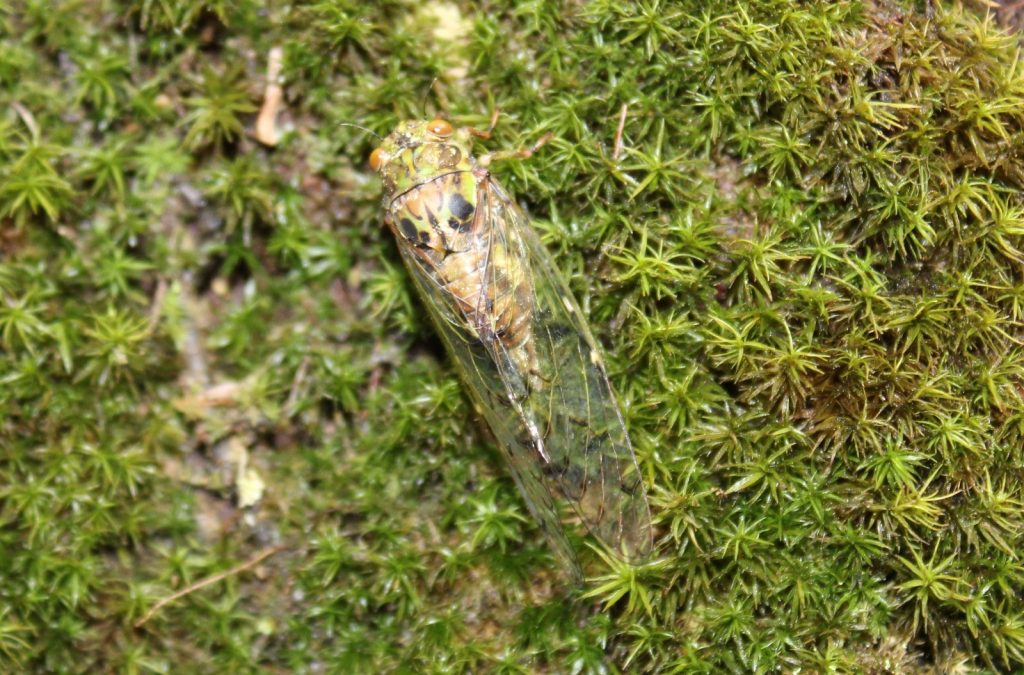
The discovery highlights the ecological importance of Meghalaya’s forest habitats, including the Mawphlang Sacred Grove, known for its cultural and conservation significance.
However, the researchers cautioned that N. mawphlangensis could be threatened by its restricted distribution and potential habitat loss. They called for habitat protection and population assessments to establish a basis for future conservation efforts.
The study also provides acoustic information on the species, an important contribution because comparable information on the calls of other species in the genus is limited.
The research adds to the documented diversity of cicadas in Meghalaya and underscores the importance of further surveys to understand the state’s lesser-known invertebrates.