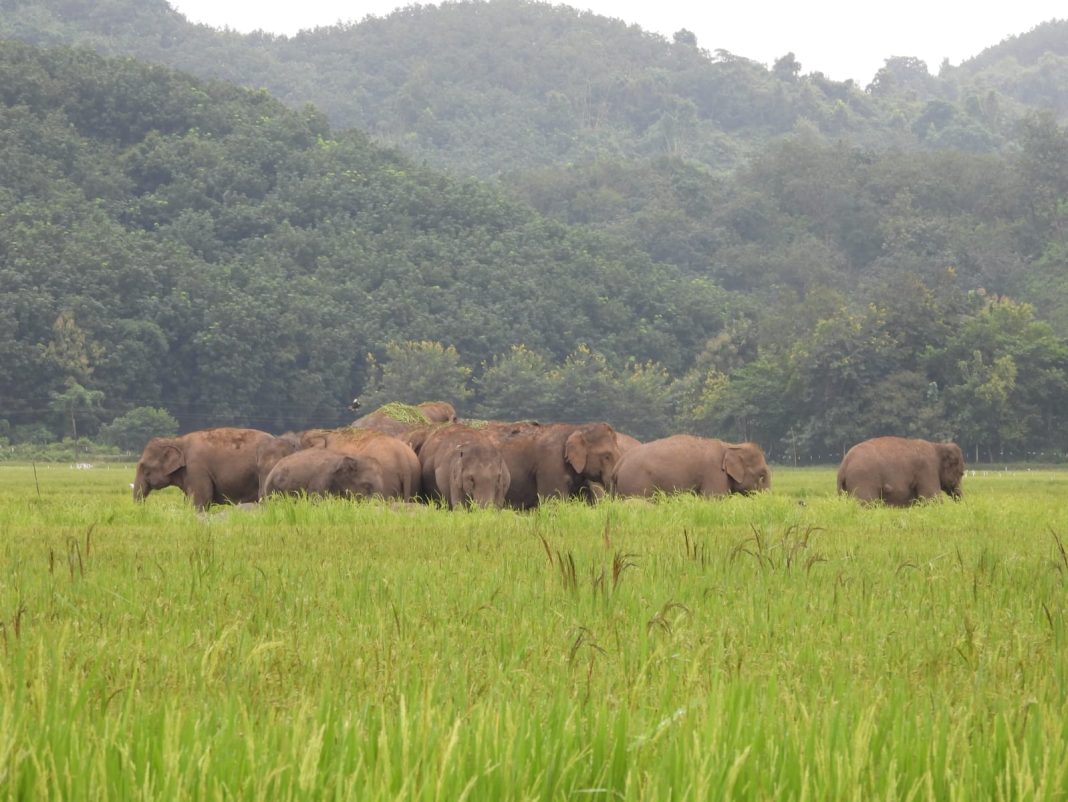

The study found that 59 of 73 recorded elephant crossing points remain active, while four have seen reduced use and 10 are now impaired.
ROOPAK GOSWAMI
Guwahati, Aug 12: Meghalaya’s elephant corridors are coming under increasing pressure from roads, plantations, settlements and other human activities, but genetic evidence suggests that elephant populations across parts of the Garo Hills remain connected, including with neighbouring Assam.
The findings from a landscape-level study of Asian elephant corridors in Meghalaya take on significance on World Elephant Day, observed on August 12, as the state grapples with maintaining elephant movement routes amid growing human activity.
Meghalaya is home to 677 wild elephants, making it the second-largest elephant population in Northeast India, after Assam, according to the Status of Elephants in India: DNA-Based Synchronous All India Elephant Estimation (SAIEE 2021–2025) report.
The study found that 59 of 73 recorded elephant crossing points remain active, while four have seen reduced use and 10 are now impaired.
“Securing and restoring Meghalaya’s fragmented elephant corridors is essential for enhancing genetic connectivity and improving interstate links with Assam to foster long-term coexistence between local communities and wildlife, benefitting both,” said Bibhuti Lahkar, project leader.
The study, Understanding the landscape-level corridor connectivity of Asian elephants in Meghalaya, was undertaken by Aaranyak in collaboration with the Meghalaya Basin Development Authority (MBDA) and the Meghalaya Forest and Environment Department.
Researchers examined five major elephant corridors in the Garo Hills — Rangira-Nokrek, Siju-Rewak, Baghmara-Balpakram, Rewak-Imangiri and Imangiri-Nokrek.
One of the key findings was that elephants in North Garo Hills and neighbouring Goalpara in Assam belong to the same genetic source population, highlighting the need to view elephant movement beyond state boundaries.
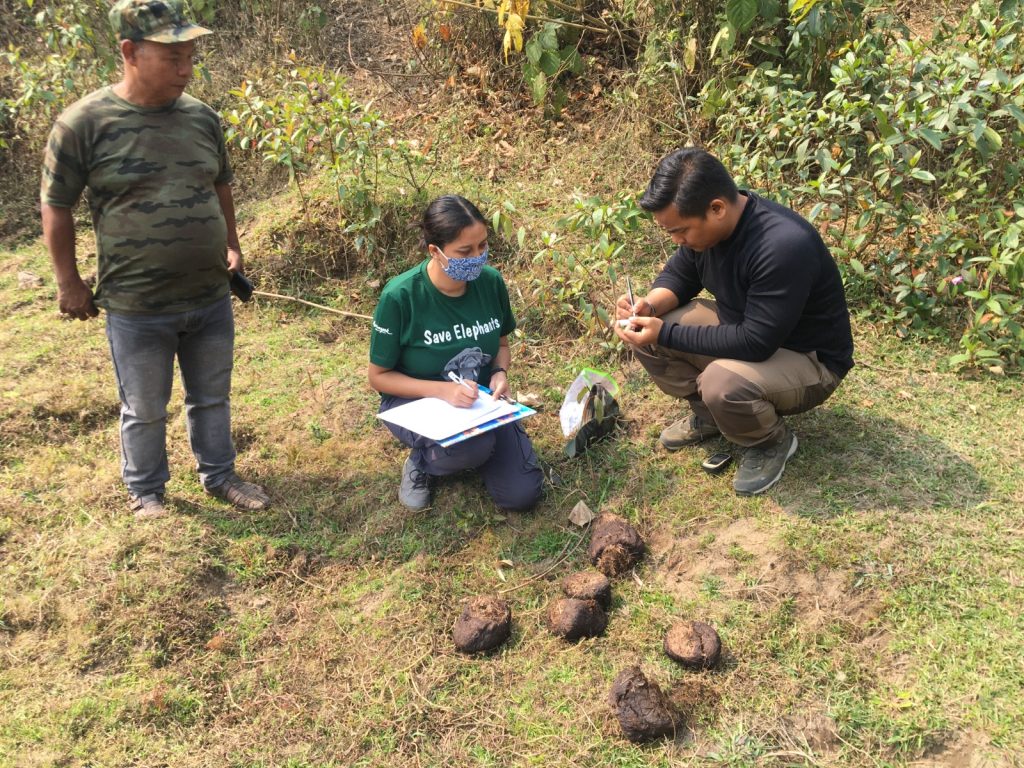
The genetic study was based on 91 elephant dung samples, of which 63 produced usable genetic data. These yielded 39 unique genetic profiles, indicating 39 individual elephants, with the population showing moderate to high genetic diversity.
The analysis identified two broad populations, North and South, and found evidence of genetic exchange through some of the corridors.
The Siju-Rewak, Imangre-Nokrek and Rangira-Nokrek corridors were identified as important for maintaining connectivity among elephant populations in different parts of the Garo Hills.
However, the physical condition of several corridors is deteriorating.
The Rangira-Nokrek corridor has the highest number of elephant occurrence points, but several are now located in human-altered landscapes. Rubber plantations and infrastructure have affected elephant-use points around Dadenggre, Chibbangre, the NEHU campus and Rangira.
In Baghmara-Balpakram, all recorded elephant occurrence points remain active, although half of the habitat has already been altered by human activity.
Siju-Rewak retains around 60% natural habitat, but elephant use has declined at two points in Sonowa and Choklok.
The Rewak-Imangiri corridor faces greater pressure, with all recorded occurrence points classified as impaired after habitat conversion to plantation land.
In Imangiri-Nokrek, five of nine recorded occurrence points remain active, while two have seen reduced use and two are impaired.
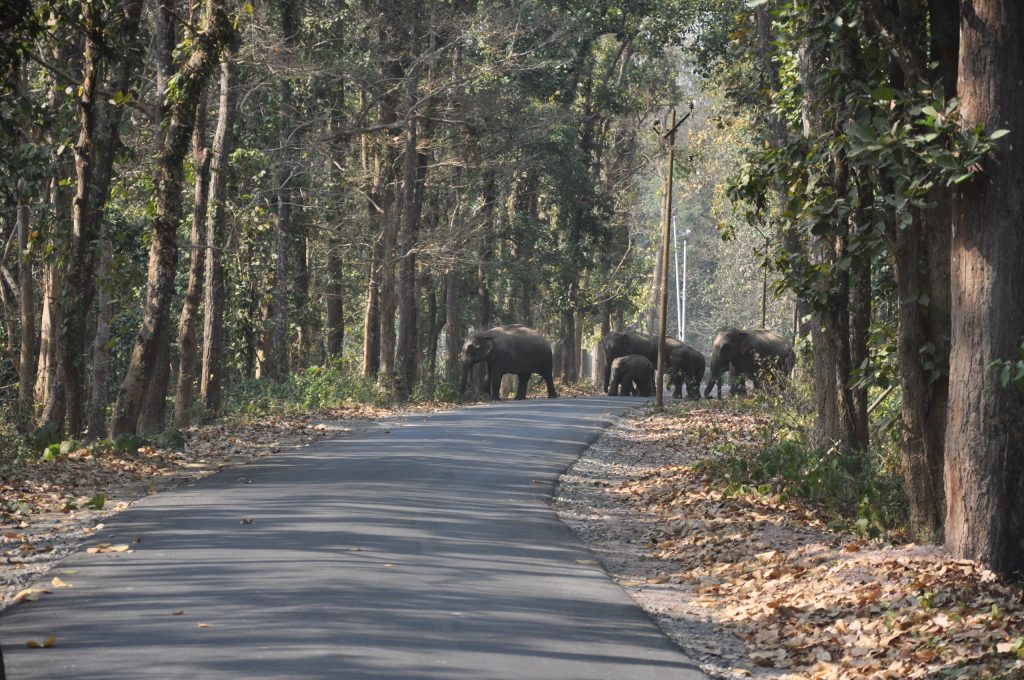
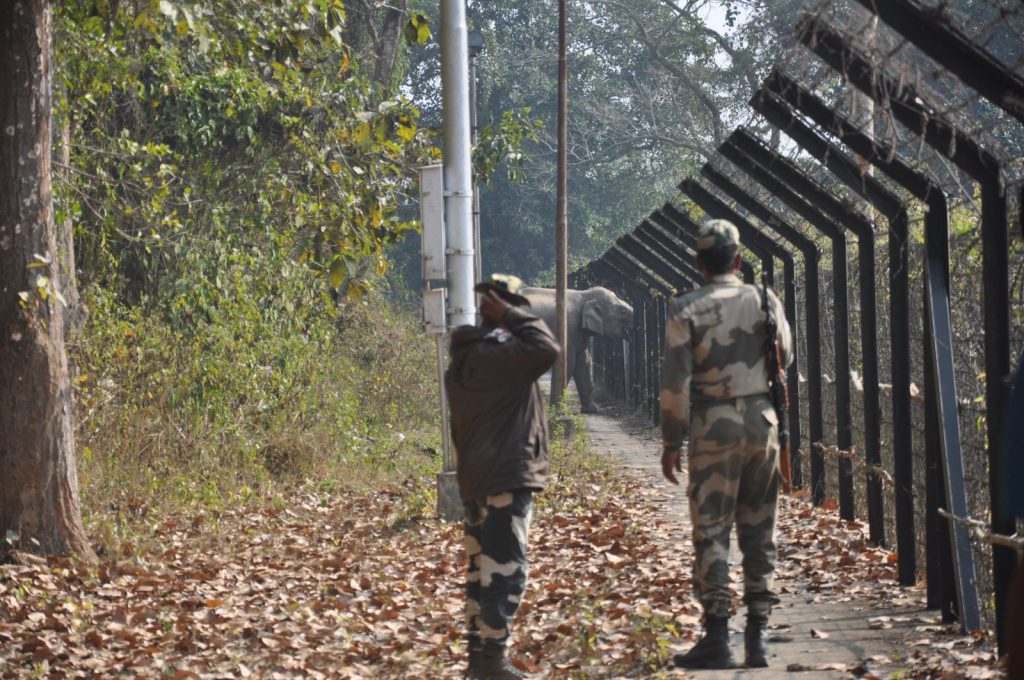
The study identified roads, settlements, construction, electric wires and fences, border fencing, cropland and plantations among the major threats to elephant movement.
Infrastructure development is a particular concern around Rangira-Nokrek, where the researchers recorded the NEHU Tura campus, national highway and ISBT area.
The study recommends wildlife crossings, fencing, speed regulation, habitat restoration and greater consideration of elephant movement while planning infrastructure projects.
Plantations, particularly monoculture cultivation, are also affecting movement routes. Researchers observed that betelnut cultivation in parts of the Nokrek-Imangre corridor can block elephant pathways and recommended promoting agroforestry and alternative livelihood options.
The study also found changes in forest cover between 2000 and 2024, including a 2.62% decline in very dense forest and a 1.18% decline in open forest, along with increases in moderately dense forest, scrub and non-forest areas.
The researchers also looked at the role of communities living around the corridors. Interviews with 100 people showed that about 66% were familiar with the concept of elephant corridors, although direct willingness to participate in conservation remained relatively low.
Human-elephant conflict was identified as another concern. The study noted that villagers often face difficulties in accessing compensation, including problems understanding and completing forms available in English. It recommended providing the process in local languages and speeding up verification and payment.
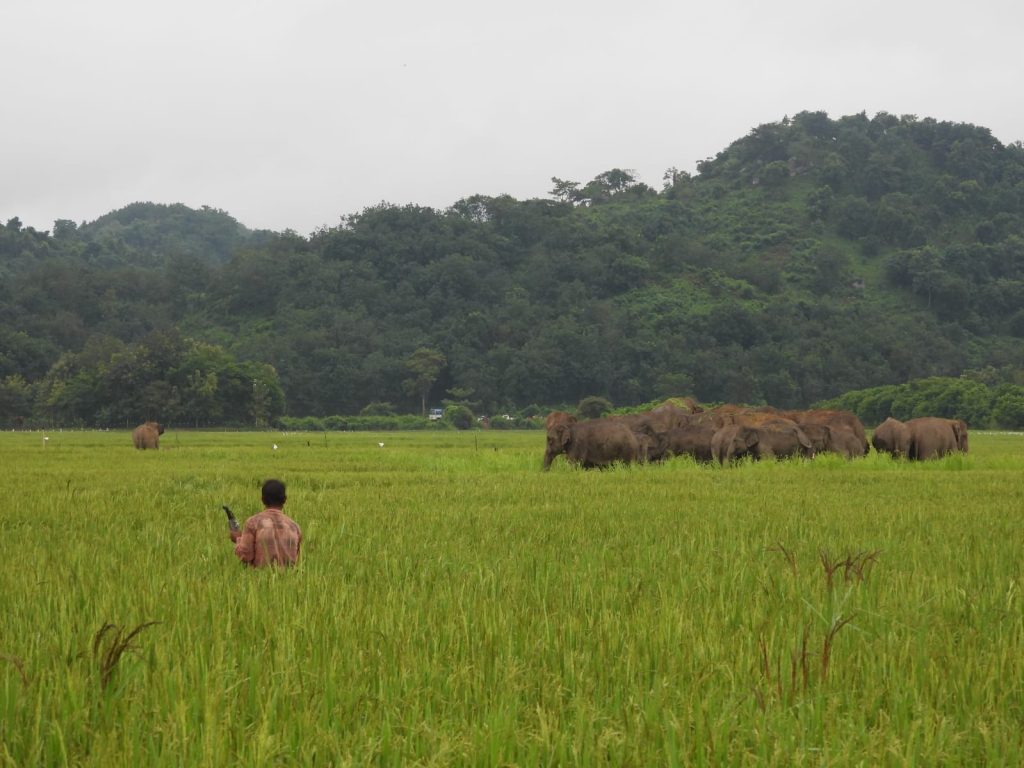
The researchers have recommended radio-collaring elephants in South Garo Hills, South-West Garo Hills and West Garo Hills to better understand seasonal movements and habitat use.
They have also proposed at least three years of genetic monitoring, including coordination with Assam, to track movement between populations and identify emerging barriers to genetic and demographic exchange.
The findings point to a conservation challenge that extends beyond protected forests. While genetic evidence suggests that elephant populations remain connected, several of the physical routes they use are being altered or lost.
For Meghalaya and Assam, protecting these remaining corridors could therefore be critical not only for elephant movement but also for maintaining the ecological links between the two states.