
Jowai, July 9: Thousands of devotees gathered at the sacred Aitnar in Jowai on Thursday as the four-day annual Behdieñkhlam festival concluded with traditional rituals symbolising the triumph over disease, social evils and negative forces while invoking divine blessings for peace, prosperity and a bountiful harvest.
Celebrated every year in mid-July after the sowing season, Behdieñkhlam is the most important festival of the Niamtre faithful of the Pnar community. In the Pnar language, ‘Khlam’ means plague or pestilence, while ‘Beh Dieñ’ signifies driving away disease and social evils through sacred rituals performed with wooden logs and religious fervour.
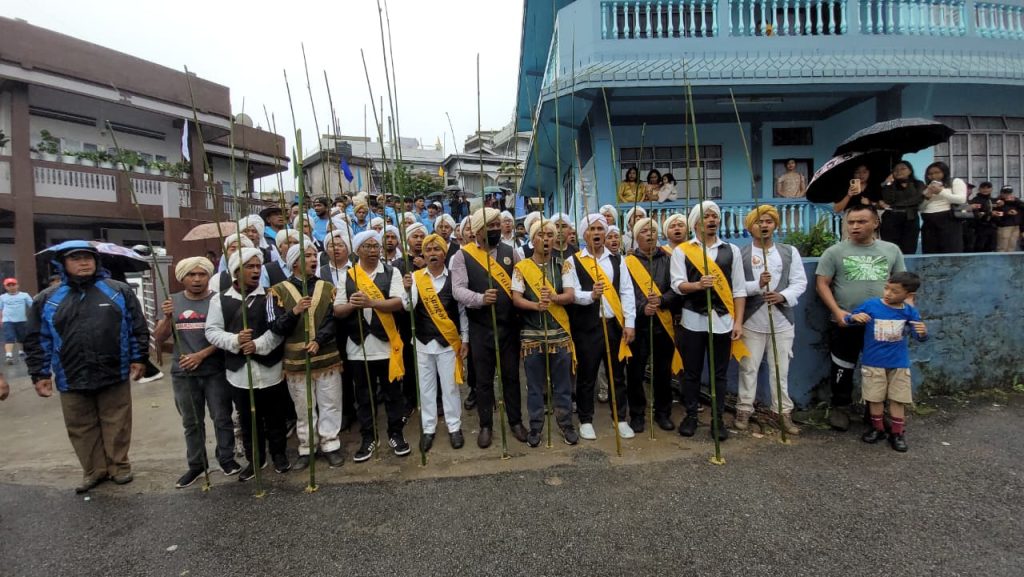
The festival’s principal ritual centres around the Dieñkhlam – a large, straight and polished tree trunks ceremonially felled from designated forests and brought to Jowai. This year, in keeping with conservation efforts, the trees were cut only after traditional invocations, while saplings were planted at the felling sites to promote ecological sustainability.
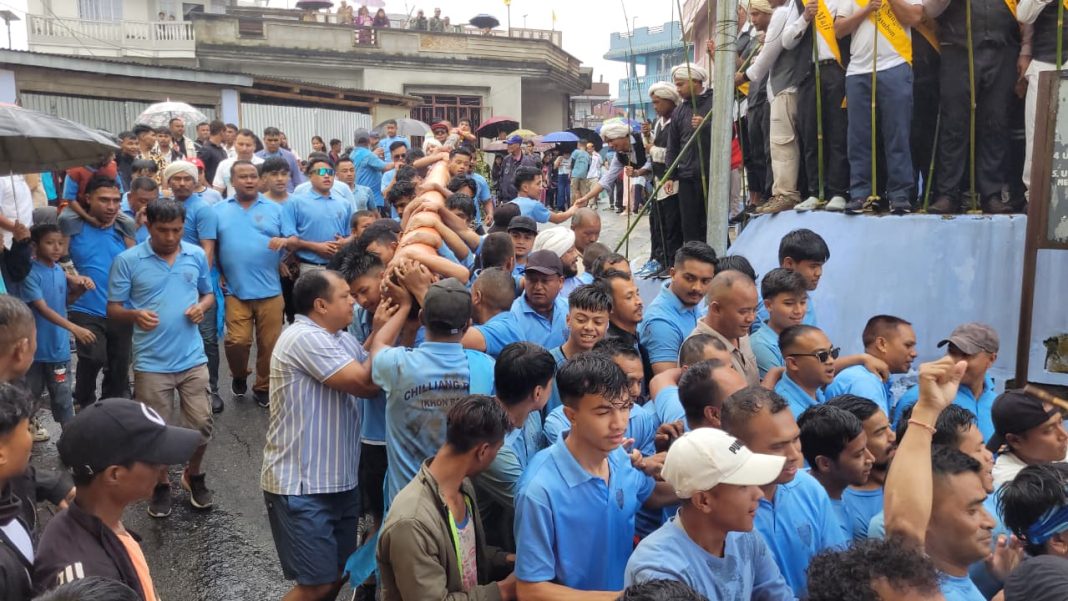
A major highlight on the concluding day was the arrival of the sacred Symbood Khnong at Aitnar. Hundreds of devotees rushed to touch the ceremonial log, believing it would protect them from illness and bring good health, prosperity and success in their livelihoods.
According to the Niamtre faith, Behdieñkhlam is not merely a ritual to ward off sickness but also a symbolic reaffirmation of the community’s resolve to overcome social evils and preserve harmony and righteousness.
The festival also showcased the creativity of youths from different localities of Jowai, who constructed elaborate Rots (Rongs) towering wooden structures decorated with colourful paper, tinsel and traditional designs. Brought to Aitnar on the final day, the structures reflected contemporary themes alongside traditional beliefs.
This year’s Rots highlighted issues such as environmental conservation, protection of Mother Earth, the impact of technology and artificial intelligence, public health, greed and other social concerns, demonstrating how the centuries-old festival continues to engage with modern-day challenges.
The spiritual climax of the festival was the ceremonial procession of the sacred Khnong Blai to Aitnar, where devotees gathered in large numbers to seek blessings by touching the revered log, which is believed to bring protection from illness and prosperity throughout the year.
The celebrations concluded with the traditional Datlawakor, a football match played with a rounded wooden ball between teams representing the upper and lower valleys of the Myntdu River—the Langdoh and Sangot Paswet. According to tradition, the victorious side is believed to be blessed with a plentiful harvest.
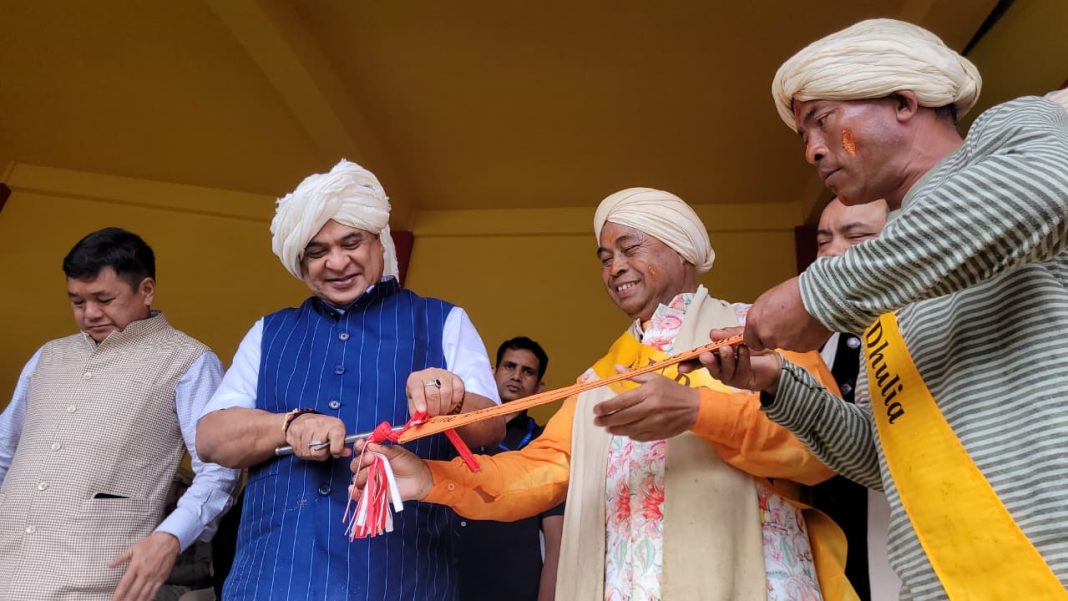
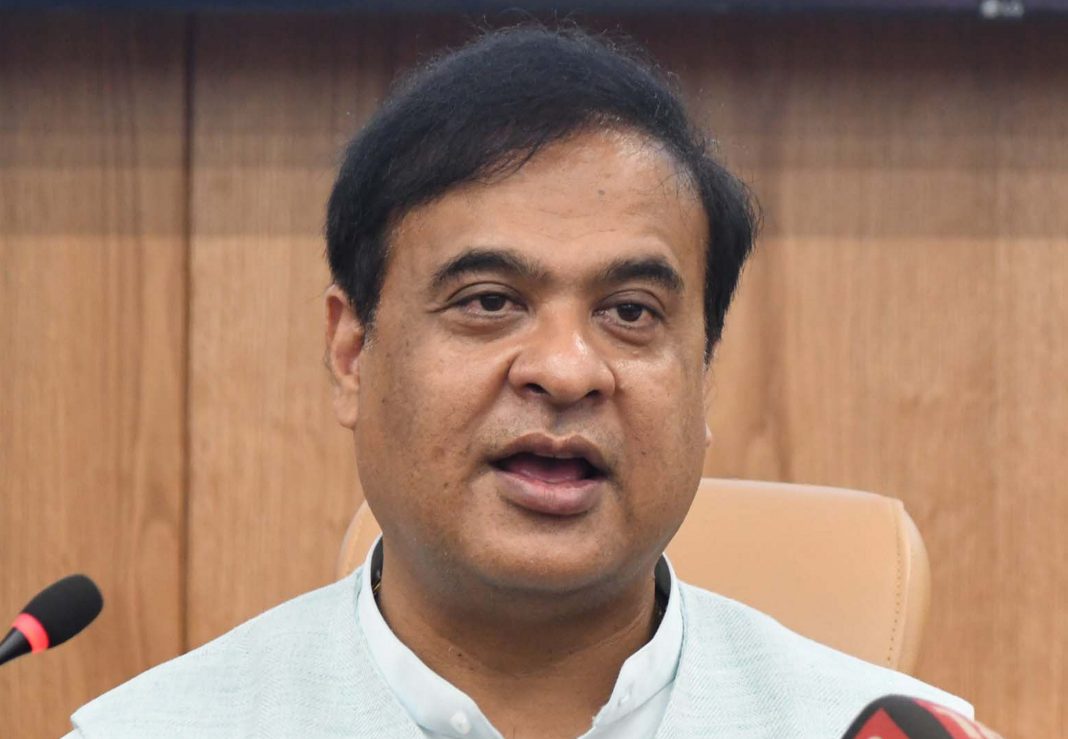
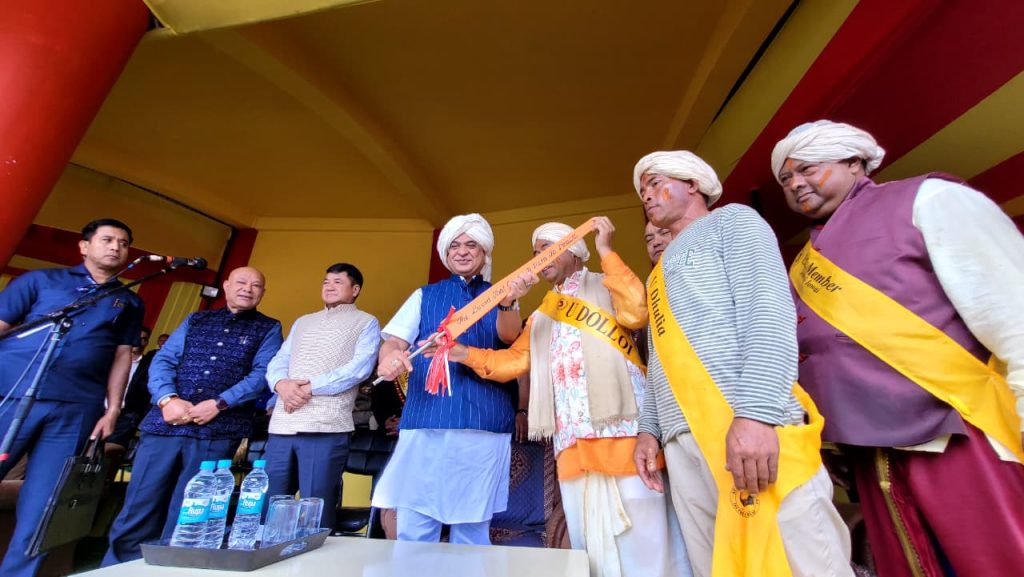
Assam Chief Minister Himanta Biswa Sarma attended the concluding ceremony as the chief guest in the presence of Meghalaya Deputy Chief Minister Sniawbhalang Dhar, Cabinet Ministers Lahkmen Rymbui and Wailadmiki Shylla, and other dignitaries.
Addressing the gathering, Sarma said it was his first time witnessing the Behdieñkhlam festival and thanked Seiñraij Jowai for the invitation. He described the celebration as a remarkable reflection of Meghalaya’s rich cultural and spiritual heritage.