
By Satyabrat Borah
Nestled in the floodplains of the mighty Brahmaputra River in Assam, Kaziranga National Park stands as one of India’s most precious natural treasures. This UNESCO World Heritage Site spans roughly 430 square kilometers across Nagaon and Golaghat districts, offering a sanctuary to an extraordinary array of wildlife. It shelters the world’s largest population of the greater one-horned rhinoceros, with over two thousand of these magnificent creatures roaming its grasslands and wetlands. Beyond rhinos, the park is home to tigers, elephants, wild water buffalo, swamp deer, hog deer, and a dazzling variety of birdlife nearing five hundred species. The landscape itself is a dynamic mosaic of tall grasslands, beels or seasonal wetlands, riverine forests, and scattered elevated patches known as chapories that serve as refuges during the annual deluges.
Every monsoon, from June through September, heavy rains in the region and upstream in Arunachal Pradesh swell the Brahmaputra, inundating much of the park. Floodwaters can submerge seventy to eighty percent of the area for days or even weeks at a time. While moderate flooding nourishes the ecosystem by replenishing wetlands and depositing nutrient-rich silt, excessive inundation forces animals to seek higher ground. For many species, that means migrating southward across what has long been a perilous barrier: National Highway 715, formerly known as NH-37. This vital roadway connects Guwahati, the state capital, to eastern Assam and beyond, linking towns, industrial hubs, and tourist destinations. Yet for wildlife, it represents a deadly divide.
The highway runs parallel to the park’s southern boundary, separating the low-lying floodplains from the forested hills of Karbi Anglong. Animals instinctively follow ancient migratory paths to reach these safer elevations, crossing at nine identified natural corridors where the terrain allows easier passage. During peak flood seasons, herds of hog deer, wild boar, elephants, and even the occasional rhino venture onto the tarmac. Speeding vehicles, often traveling at high speeds day and night, turn these crossings into tragic encounters. Conservation records paint a heartbreaking picture of the toll. Over recent years, dozens of large mammals have perished in vehicle collisions near the park. Between 2020 and 2024, at least eighty-two such incidents claimed lives, including endangered hog deer, elephants, and rhinos. The year 2022 saw a particularly grim peak with twenty-two deaths, while flood seasons routinely add to the count as desperate animals attempt to flee rising waters.
These losses extend beyond individual tragedies; they threaten the delicate balance of populations already under pressure from poaching, habitat fragmentation, and climate-driven changes in flood patterns. The highway’s two-lane configuration, narrow right-of-way in places, and poor geometric design exacerbate the risks. Heavy traffic, estimated at thousands of passenger car units daily, flows relentlessly, with little regard for the nocturnal or flood-driven movements of wildlife. Drivers, often unaware or unable to react in time, contribute to a cycle of mortality that conservationists have long described as one of the gravest man-made threats to Kaziranga’s inhabitants.
Efforts to mitigate this conflict have evolved over time. Authorities have implemented speed restrictions, installed warning signs, and deployed sensor-based cameras in some corridors to monitor vehicle speeds. During severe floods, temporary measures like time-bound traffic regulations aim to create safer windows for crossings. Yet these steps address symptoms rather than the root cause: the physical intersection of a high-volume arterial road with irreplaceable wildlife pathways. The need for a more permanent, structural solution became increasingly evident, prompting discussions among forest officials, highway planners, and environmental experts.
Enter the Kaziranga Elevated Corridor, a groundbreaking initiative that promises to redefine the relationship between infrastructure and conservation in one of India’s most biodiverse regions. Approved by the Cabinet Committee on Economic Affairs in October 2025 at an estimated cost of Rs 6,950 crore (with slight variations in reported figures around Rs 6,957 crore), the project encompasses the widening and upgrading of the 85.67-kilometer Kaliabor-Numaligarh section of NH-715 to four lanes. At its heart lies a 34.5-kilometer elevated corridor specifically designed to span the sensitive stretch adjacent to and through the park’s southern boundary.
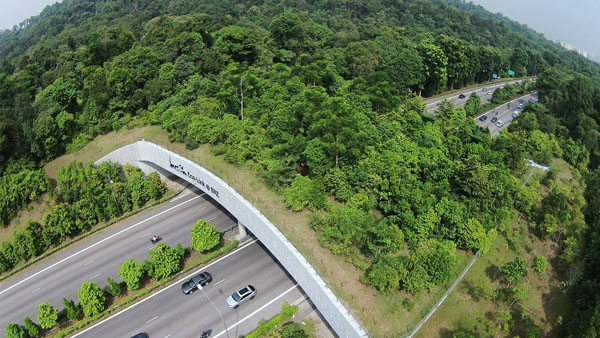
The elevated structure will rise above the ground, creating a viaduct that allows vehicles to travel uninterrupted while leaving the space beneath open and unobstructed for animal movement. This design draws inspiration from successful wildlife-friendly highways elsewhere in India, such as those in other national parks where overpasses or elevated sections have dramatically reduced roadkill. By covering all nine identified animal corridors, the corridor ensures that elephants can lead their herds, rhinos can wander, and deer can flee floods without ever stepping onto asphalt. The open underpass will maintain natural light, vegetation continuity, and auditory cues, minimizing disruption to migratory behavior.
The project extends beyond the elevated portion. It includes upgrading 30.22 kilometers of existing roadway and constructing approximately 21 kilometers of greenfield bypasses around the towns of Jakhalabandha and Bokakhat. These diversions will reroute through-traffic away from congested urban stretches, further reducing pressure on the park-adjacent highway. The overall alignment integrates with other major routes like NH-127, NH-129, and State Highway-35, promising smoother connectivity between Guwahati, Kaziranga’s tourism hubs, and industrial centers like Numaligarh. Travel times will shorten, safety for commuters will improve, and economic opportunities in trade, tourism, and employment will expand. Officials estimate the construction phase alone will generate millions of person-days of direct and indirect jobs, benefiting local communities.
Prime Minister Narendra Modi performed the bhoomi pujan or groundbreaking ceremony for the project in January 2026, signaling strong governmental commitment to this dual-purpose endeavor. Assam Chief Minister Himanta Biswa Sarma has hailed it as a game-changer, a model of human-animal coexistence where development rises literally above conservation needs. Forest officials emphasize that the corridor will not only curb vehicle-related deaths but also reduce broader human-wildlife conflicts by allowing freer movement and less straying into human settlements.
Of course, such an ambitious undertaking has not been without debate. Some environmental voices have raised concerns about potential ecological impacts during construction, including noise, vibrations, and temporary habitat disturbances that could affect breeding or movement patterns. A few have urged thorough assessments by international bodies like UNESCO to ensure compliance with World Heritage guidelines. Others point to the scale of intervention in a sensitive ecosystem and question long-term effects on soil, hydrology, or microhabitats beneath the structure. Proponents counter that careful planning, wildlife-friendly engineering, and minimal construction windows during non-monsoon periods can mitigate these risks. The project’s alignment avoids core zones where possible, and lessons from similar viaducts suggest that once operational, benefits far outweigh temporary disruptions.
As the project moves forward, it embodies a hopeful shift in how India approaches infrastructure in ecologically fragile areas. Kaziranga’s animals have survived floods, poachers, and changing climates for generations, but the relentless advance of roads and vehicles posed a modern threat that traditional measures could no longer contain. By elevating the highway, the corridor literally lifts human activity above the natural world, granting wildlife the freedom to follow ancient instincts without paying the ultimate price.
In time, travelers speeding along the new four-lane route may glance down to see herds grazing peacefully or elephants moving unhurriedly toward the hills, safe beneath the shadow of progress. For Kaziranga, this could mark the beginning of a new era where connectivity strengthens rather than severs the bonds of its ecosystem. The elevated corridor stands as more than steel and concrete; it represents a commitment to harmony, ensuring that one of the planet’s last great strongholds for the one-horned rhino and countless other species endures for generations to come.