
The findings challenge the long-held view that Meghalaya’s caves are used mainly by bats.
ROOPAK GOSWAMI
Shillong, April 6: Long known for bats and adventure tourism, Meghalaya’s vast cave systems have also been found to have emerged as habitats for several species of land mammals, from giant rats and porcupines to civets, fishing cats and even bears, according to a research.
The research titled “An evaluation of evidence for utilization of cave habitats by terrestrial mammals in Meghalaya” draws on over three decades of cave exploration across the state.
Authors of the paper are Uttam Saikia, Manuel Ruedi, Thomas Arbenz, Oana Chachula, D Khlur B Mukhim, Brian D Kharpran-Daly (also known as Cave Man of Meghalaya) and Dan Harries.
The research is based on 123 records from nearly 80 caves documented between 1992 and 2025, using cave mapping reports, field notes and photographs—much of it collected incidentally by explorers rather than through structured wildlife surveys.
The findings challenge the long-held view that Meghalaya’s caves are used mainly by bats.
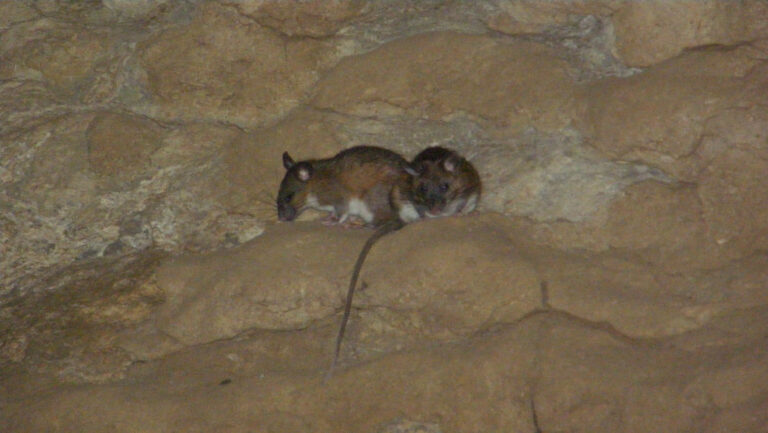
Instead, the most frequent cave users are rats. The Edwards’s long-tailed giant rat (Leopoldamys edwardsi) shows a clear and consistent association with caves, with evidence of nesting, breeding and even feeding underground. Rats account for more than a third of all mammal records, and over 80% of those point to active or recent use.
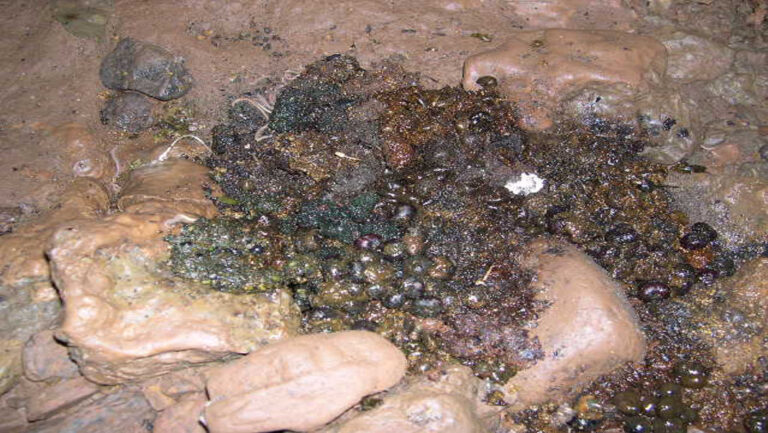
Live sightings, nests, claw marks and droppings have been recorded deep inside caves—sometimes hundreds of metres from entrances—suggesting these rodents are regular occupants rather than occasional visitors.
Porcupines, especially the Malayan porcupine (Hystrix brachyura), also appear to use caves frequently. Quills, nests, faeces, prints and even polished cave walls indicate repeated activity, again with most records pointing to recent presence.
Local accounts from the Garo Hills suggest that smaller porcupine species may be using deeper cave sections as well.
The caves are not just shelters—they also function as hunting grounds.
Signs of civets, mongooses, fishing cats and leopard cats have been recorded through footprints, faeces and skeletal remains. In some cases, faeces containing crab fragments point to hunting inside caves, likely around perennial water pools that hold fish and crustaceans even during dry months.
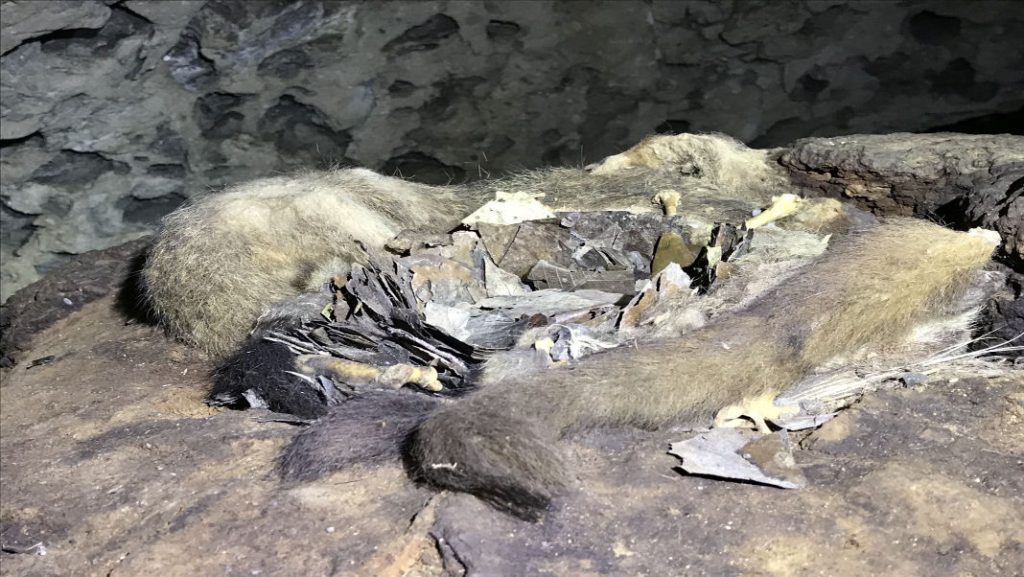
One of the more striking findings is the unusually high number of primate remains, especially macaques, in caves across the Jaintia Hills. In several instances, remains of multiple individuals were found together.
The researchers suggest monkeys may be using cave entrances or steep rock faces as refuge from predators—but this could also make them vulnerable to falls or sudden floods, effectively turning caves into traps.
Evidence of Asiatic black bears, deer and even a Himalayan serow was also recorded, mostly as skeletal remains. These are likely cases of accidental entry or animals being washed in, rather than regular use.
Overall, the findings underline Meghalaya’s caves as active ecological spaces, not just geological features.
“Caves are being used for shelter, foraging, predator avoidance, and even breeding by several species,” the study notes, adding that much of this activity is still under-documented due to the challenges of cave exploration.
Researchers say tools like environmental DNA (eDNA) could help reveal a far richer—and largely hidden—ecosystem inside these caves.
Set within the Indo-Burma biodiversity hotspot, Meghalaya’s cave systems—formed by heavy rainfall and limestone geology—are among the most extensive in the Indian subcontinent.
The study adds a new layer to that understanding: beneath the hills lies not just a network of caves, but a complex and largely unseen wildlife habitat.