
Tura, Sept 21: A surgery that once required a long referral journey was performed for the first time at Resubelpara earlier this year. In Tura, critical maternal and newborn care is being expanded. Across West Garo Hills, smaller health facilities are being upgraded to take on more patients closer to where they live.
Together, these interventions form part of a wider attempt by the Meghalaya government to reshape healthcare delivery in Garo Hills — moving from a system heavily dependent on referrals to one where increasingly complex treatment can be accessed within the region.
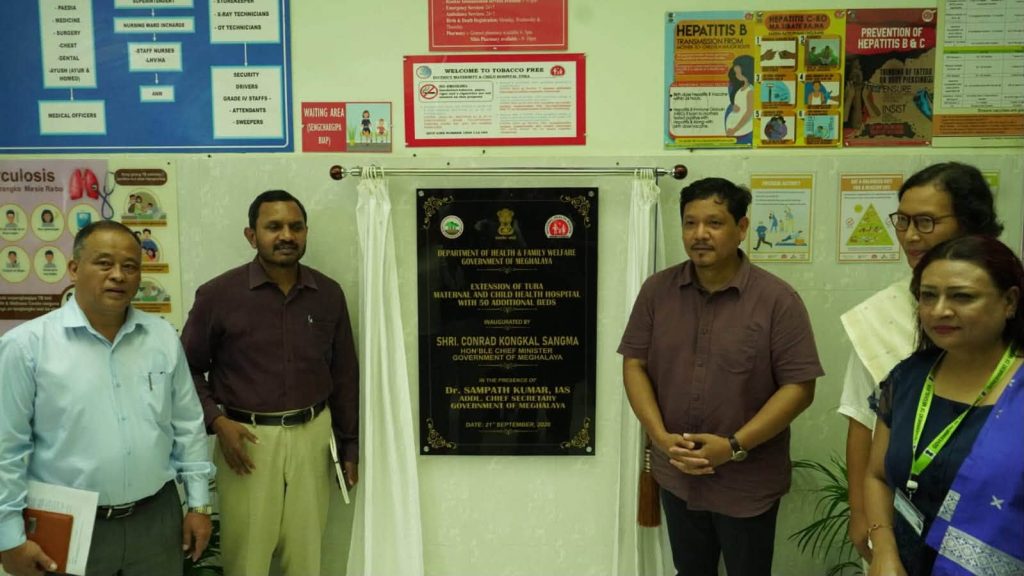
Chief Minister Conrad K. Sangma, speaking on Monday while inaugurating the new 50-bed annex at the existing District Maternity & Child Hospital (DMCH), Tura, said reducing long-distance medical journeys was central to that effort.
He pointed to Resubelpara in North Garo Hills, where doctors this year performed the first surgery at the newly developed First Referral Unit and saved a mother’s life.
“Earlier this year, at Resubelpara in North Garo Hills, our doctors performed the first surgery ever conducted at the newly built First Referral Unit there, and they saved a mother’s life,” Sangma said.
The government plans to establish First Referral Units at 10 Community Health Centres, before eventually extending the system to all eligible CHCs. The objective is to enable more facilities outside major towns to handle emergency obstetric and surgical cases.
For Sangma, that shift addresses one of the biggest challenges in Garo Hills — distance.
“Until recently, a woman in that condition would have been put in an ambulance and driven for hours towards Tura, her family praying through the journey,” he said.
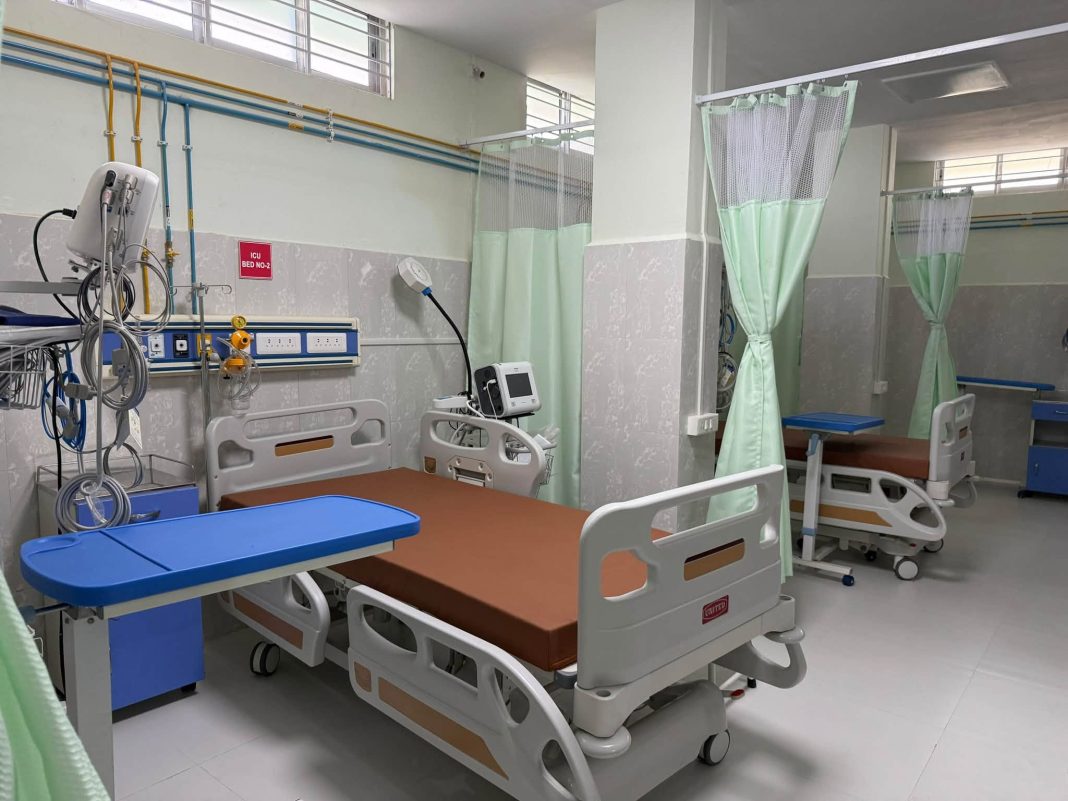
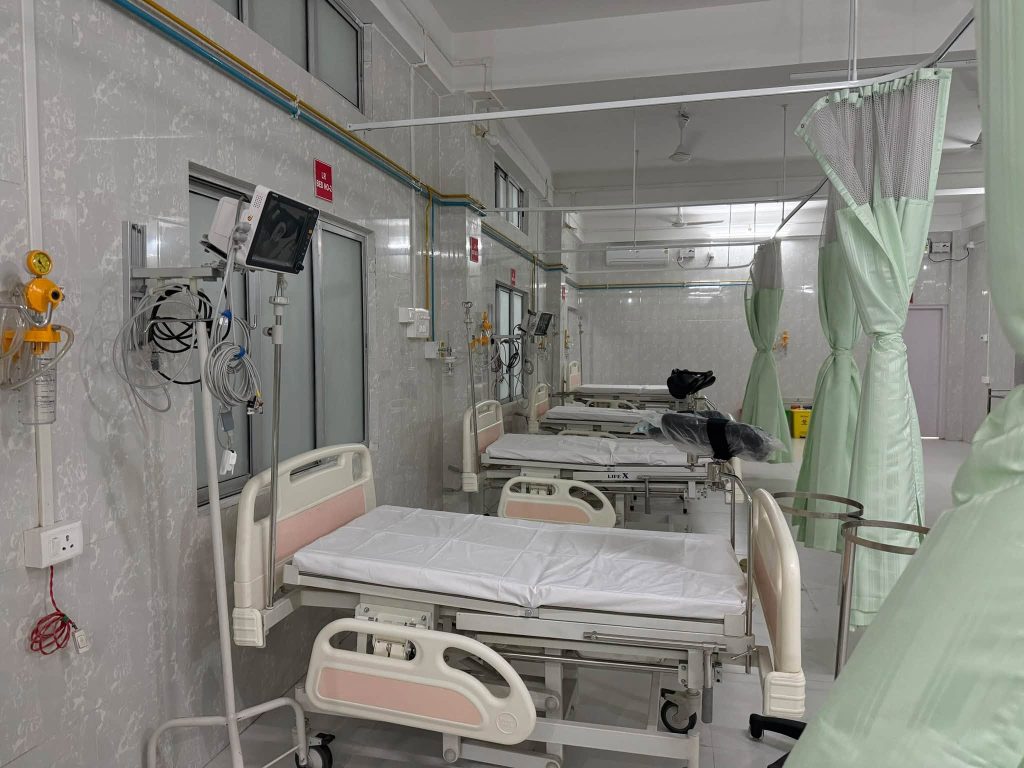
Tura is being developed as the higher-level end of this referral network. The existing DMCH has now gained a 50-bed annex, while plans include Garo Hills’ first public Neonatal Intensive Care Unit, a strengthened Special Newborn Care Unit and dedicated oxygen generation capacity of 1,000-1,500 litres per minute. The state had earlier identified the NICU and additional beds as key components of the Tura facility’s upgrade.
But the strategy extends beyond Tura.
Kherapara and Tikrikilla PHCs are being upgraded to Community Health Centres, while facilities at Raksamgre, Batabari and Manggakgre are being raised to PHC level. The idea is to create a chain of facilities capable of providing primary care, stabilising patients and referring complicated cases upwards when necessary.
The state has also been expanding care at the other end of the system — taking basic healthcare to remote communities. Mobile Medical Units launched this month include one covering the Baghmara area, complementing fixed hospitals with screening, consultation and follow-up services in harder-to-reach habitations.
“The mobile units handle what can travel. This hospital handles what cannot: the complicated delivery, the caesarean section, the newborn who needs intensive care,” Sangma said.
A larger challenge, however, is not buildings but doctors.
As of July 31, Meghalaya had 313 sanctioned specialist posts, with 174 specialists in position and 139 vacancies, leaving around 44 per cent of the sanctioned posts vacant.
The ₹208.03-crore Tura Medical College and Hospital is being positioned as a longer-term response to that shortage by creating medical training capacity within Garo Hills. The 2026-27 State Budget also lists operationalising the Tura Medical College as a government priority.
“And the Tura Medical College, sanctioned at Rs 208.03 crore, will train in Garo Hills the doctors and specialists this region has always had to import,” Sangma said.
The broader picture emerging across Garo Hills is therefore not centred on a single new building. It involves mobile healthcare at the village level, stronger PHCs and CHCs, First Referral Units capable of handling more complicated cases, expanded critical care in Tura and, eventually, a medical college to train specialists locally.
For patients, Sangma said the intended change is straightforward — fewer hours spent travelling for treatment and more critical care available within Garo Hills.
“The sickest newborns of Garo Hills will no longer have to travel out of the region for a chance at life,” he said.