
Case study of Tura-based Asame Wine suggests how traditional knowledge and local entrepreneurship can support sustainable rural development
ROOPAK GOSWAMI
Shillong, July 30: A case study of a Tura-based indigenous fruit wine enterprise suggests how traditional knowledge, local biodiversity and entrepreneurship can contribute to sustainable rural development in Meghalaya, according to new research by an ICFAI University Meghalaya researcher.
Published in the Journal of Global Economy, the study by Arkanza Salrikrak A. Sangma, Assistant Professor at ICFAI University Meghalaya, examines Asame Wine, a women-led micro-enterprise founded by Pecindha K. Sangma in West Garo Hills. Based on interviews with the founder and the enterprise’s business records, the paper explores what lessons the venture may offer for indigenous entrepreneurship rooted in Garo culture.
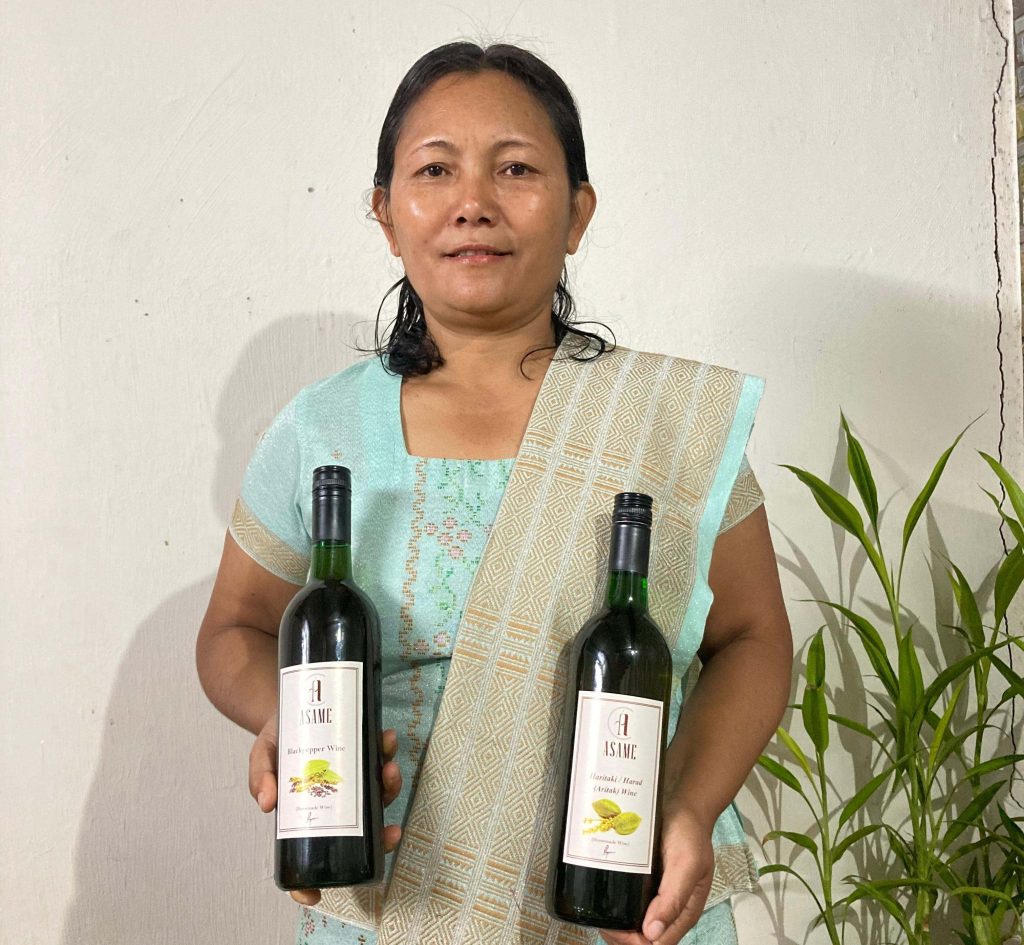
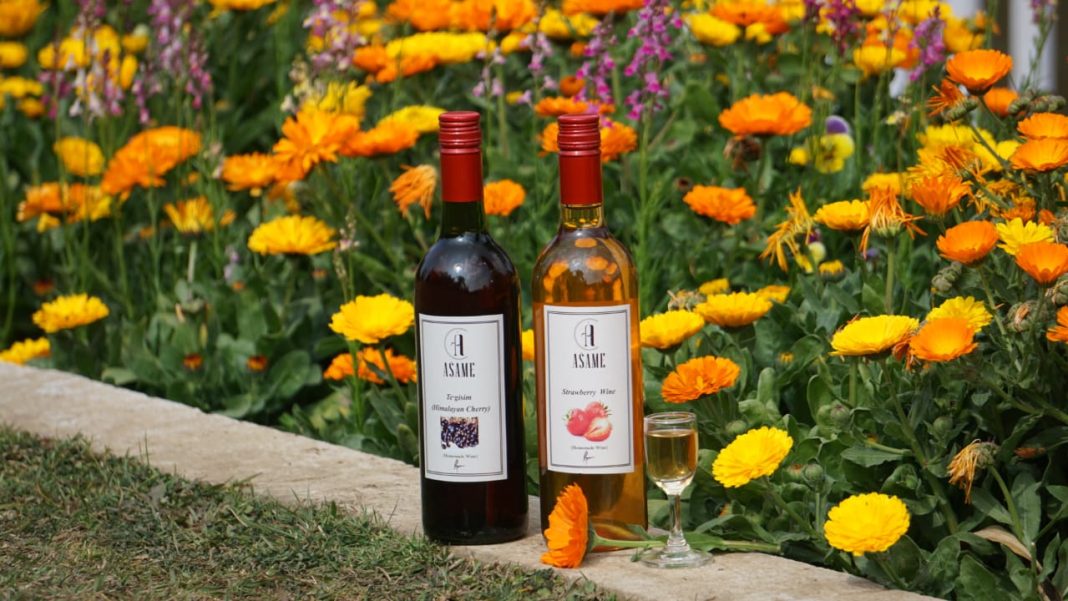
The research argues that the enterprise goes beyond producing fruit wine. By processing indigenous fruits such as sohiong (black cherry), Himalayan cherry, blood fruit, pineapple, passion fruit and blue pea, it seeks to add value to locally available produce while supporting local livelihoods and preserving traditional knowledge.
The paper notes that the business received early support from PRIME Meghalaya and later showcased its products at events including Vinexpo Mumbai and a trade exhibition in Paris, illustrating opportunities for tribal products to reach wider markets.
One of the study’s observations is the close relationship between the business and Garo cultural life. While sales remain modest during much of the year, demand rises during festivals such as Wangala, Me’gong and A’we, highlighting the role of indigenous products in community celebrations.
The study also discusses the enterprise’s environmental practices. It notes that the business initially reused bottles and relied on locally available food-grade fermentation tanks before gradually shifting to branded packaging.

The paper argues that sourcing fruits locally creates a shorter supply chain, potentially reducing transport-related emissions while encouraging the use of indigenous fruit varieties, although it does not directly measure carbon footprint or post-harvest losses.
Rather than presenting Asame Wine as a model for the entire sector, the researcher describes it as a case study demonstrating how indigenous knowledge can be combined with entrepreneurship while retaining its cultural identity.
The paper recommends easing licensing requirements for small fruit wine producers, strengthening branding support and integrating indigenous wine enterprises more closely with Meghalaya’s tourism sector.
It concludes that culturally rooted enterprises such as Asame Wine have the potential to contribute to rural livelihoods, women’s entrepreneurship and heritage preservation, while offering lessons that could inform similar initiatives elsewhere in the Khasi, Jaintia and Garo Hills.