
By Satyabrat Borah
It was supposed to be the busiest, happiest travel month of the year in India, with weddings in full swing, school holidays starting, and millions of people rushing home or heading to the hills, but instead December 2025 has turned into a nightmare for anyone trying to fly with IndiGo Airlines. Over 2,100 flights canceled in a single week, thousands of passengers left in limbo at major airports from Delhi to Mumbai, Bengaluru to Hyderabad, and the ripple effects cascading into skyrocketing fares and governmental interventions. This is not merely a logistical hiccup; it is a crisis born of complacency, regulatory blind spots, and a high-stakes gamble with public trust that has exposed deep fissures in one of the world’s fastest-growing aviation sectors.
The genesis of this chaos traces back to a seemingly benign policy shift, one designed to safeguard lives against the invisible peril of pilot fatigue. In January 2024, India’s Directorate General of Civil Aviation (DGCA) unveiled comprehensive revisions to the Flight Duty Time Limitations (FDTL) norms, a framework aimed at curbing exhaustion among aviators who navigate the relentless rhythm of commercial flying. These updates, rolled out in two phases, mandated an increase in mandatory weekly rest for pilots from 36 to 48 hours, redefined “night duties” to span from midnight to 6 a.m. (up from 5 a.m.), and capped night landings at just two per week per pilot, down from six. The intent was noble: aviation experts have long warned that fatigue contributes to up to 20 percent of incidents in the sector, and India’s burgeoning air traffic—projected to triple by 2030—demanded proactive measures. The first phase took effect on July 1, 2025, giving airlines a full year to recalibrate rosters and bolster crew numbers. The second, more stringent provisions on night operations, followed on November 1.
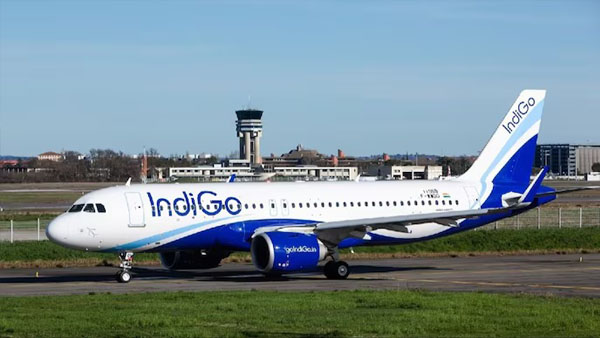
IndiGo, with its fleet of over 400 Airbus A320s and a daily schedule of 2,300 flights ferrying 118 million passengers annually, appeared well-positioned to adapt. As the low-cost carrier that revolutionized Indian skies with affordable tickets and punctuality rates hovering above 85 percent, the airline had built an empire on efficiency. Yet, beneath this veneer lay a lean operational model predicated on razor-thin margins and minimal buffers. Reports from aviation insiders reveal that IndiGo maintained only a 4 percent surplus in pilot staffing, far below the 10 to 15 percent recommended for contingencies in high-density networks. Despite explicit DGCA notifications urging hiring ramps as early as January 2024, the airline delayed aggressive recruitment, banking perhaps on a policy reversal or the entry of new entrants like Akasa Air to dilute the pressure. Competitors such as Air India and SpiceJet, though not unscathed, navigated the transition without mass cancellations, underscoring that preparation was possible.
The powder keg ignited in late November, when an Airbus software advisory for A320 fleets—intended to mitigate solar radiation interference with flight controls—grounded hundreds of aircraft temporarily for updates. IndiGo swiftly rectified the issue across 200 planes in under 24 hours, but the delays it caused pushed flights into the wee hours, triggering FDTL violations. Pilots, clocking out after mandatory rest thresholds, left gaping holes in rosters. What began as isolated delays snowballed into a cascade: a single late arrival in Delhi could domino into missed connections across the network, as IndiGo’s hub-and-spoke model relies on synchronized precision. By December 2, cancellations ticked upward, with 73 flights axed at Bengaluru alone. Passengers, many en route to winter holidays or family weddings, started voicing bewilderment on social media, sharing videos of interminable queues and unheeded pleas at counters.
The dam broke on December 5, a day that will etch itself into the annals of Indian aviation as Black Friday in the skies. IndiGo announced the cancellation of all domestic departures from Delhi’s Indira Gandhi International Airport until midnight—over 500 flights in one fell swoop. Nationwide, the tally exceeded 1,000, representing more than half of the airline’s scheduled operations. Mumbai’s Chhatrapati Shivaji Maharaj International Airport reported 109 disruptions by mid-morning the next day, while Hyderabad and Lucknow saw dozens more grounded. Travelers flooded terminals, only to confront digital boards flashing “canceled” and counters overwhelmed by desperate inquiries. Eyewitness accounts paint a tableau of human anguish: a young professional from Ahmedabad, delayed 20 hours en route to Bengaluru, slumped against a pillar after missing a critical business meeting; a family in Kolkata, tears streaming as their child’s medical transfer fell through; elderly passengers in Pune, abandoned with unclaimed luggage trolleys under harsh fluorescent lights. Social media erupted with raw fury—hashtags like #IndiGoCrisis and #IndiGoShame trended, amassing millions of views, as videos captured chants of “IndiGo, shame!” echoing through arrivals halls.
The human toll extended far beyond immediate inconvenience. For many, December is sacrosanct, a season of Diwali afterglow blending into Christmas preparations and matrimonial extravaganzas. Weddings, costing families lakhs in planning, unraveled as grooms and brides-to-be scrambled for alternatives, some resorting to overnight trains that sold out instantaneously. Medical emergencies compounded the tragedy: a diplomat’s spouse, Singapore’s High Commissioner Simon Wong, missed his staffer’s wedding in Deogarh, joining virtually in a poignant nod to resilience amid ruin. Job interviews evaporated for fresh graduates; exams were forfeited by students; reunions dissolved into recriminations. Stranded for up to 48 hours without adequate refreshments or accommodations—IndiGo’s initial response was perfunctory, offering vouchers that proved insufficient amid surging demand—passengers slept on airport floors, their plight amplified by winter chills seeping through glass facades.
Economically, the fallout was seismic. IndiGo’s near-monopoly on routes like Delhi to Goa or Mumbai to Srinagar meant alternatives were scarce, driving fares on surviving flights to dizzying heights. Same-day tickets from Delhi to Bengaluru, ordinarily Rs 4,000, ballooned to Rs 12,000 or more, according to aggregator data from MakeMyTrip. The Ministry of Civil Aviation, sensing a profiteering spiral, imposed emergency fare caps on December 6: economy class tickets now ceilinged between Rs 7,500 and Rs 18,000 based on distance, with real-time monitoring to enforce compliance. Air India and its low-cost arm, Air India Express, proactively matched these limits on non-stop domestics since December 4, a gesture of corporate empathy amid the melee. Travel platforms like ixigo waived convenience fees for affected bookings from December 3 to 8, refunding sums to ease the sting. Yet, for small businesses reliant on just-in-time logistics or tourism operators in Goa and Kerala, the disruptions translated to tangible losses—canceled honeymoons, forfeited conference deals, and a projected Rs 500 crore hit to ancillary sectors in the crisis week alone.
IndiGo’s leadership, caught off-guard by the scale, scrambled to contain the blaze. CEO Pieter Elbers, the Dutch expatriate at the helm since 2022, broke his silence with a video apology on X, his tone measured yet contrite: “I do understand that these disruptions have caused immense inconvenience… We will ensure refunds are processed automatically.” The airline pledged full waivers on rescheduling and cancellations for bookings through December 15, alongside provisions for meals, hotels, and baggage reunification within 48 hours. Internally, a “reboot” of scheduling systems was underway, with Elbers forecasting progressive stabilization by December 10 to 15 and full normalcy by February 10, 2026. By December 6, operations limped back, with 95 percent of the network restored—1,500 flights airborne to 135 of 138 destinations—and cancellations dipping below 850. Mumbai saw 109 axed by noon, but Delhi’s advisory heralded a “steady resumption.”
The government’s response was swift and multifaceted, blending carrot with stick. The DGCA, after convening emergency meetings with IndiGo executives, granted temporary exemptions from key FDTL clauses—no substitution of leave for weekly rest and night duty caps—effective immediately, a concession to avert total paralysis. Aviation Minister Ram Mohan Naidu Kinjarapu issued directives for refunds by 8 p.m. on December 7, barring rescheduling fees, and mandated dedicated passenger support cells at airports. Indian Railways mobilized 89 special trains over three days to ferry the stranded, a logistical lifeline that evoked memories of pandemic-era synergies. Yet, accountability loomed large: a show-cause notice to Elbers demanded explanations within 24 hours, with sources whispering of potential CEO ouster and steep penalties. A high-level committee was formed to probe the lapses, scrutinizing why IndiGo, forewarned for 18 months, failed to hire the requisite 200 pilots. Opposition voices, from NCP’s Supriya Sule to Congress’s Karti Chidambaram, decried the monopoly’s perils, urging parliamentary inquiries and antitrust scrutiny by the Competition Commission.
At its core, this crisis unmasks the perils of unchecked consolidation in Indian aviation, where IndiGo and Air India command 85 percent of the pie. The duopoly stifles competition, leaving consumers vulnerable to such implosions. While IndiGo’s cost-cutting ethos fueled its ascent—low fares democratizing travel for millions—it now invites reckoning. Pilots’ unions, like the Federation of Indian Pilots, lambasted “years of lean manpower planning,” absolving the new norms and pinning blame on non-poaching pacts and delayed training pipelines. Broader implications ripple outward: investor confidence in IndiGo’s stock (INGL.NS) wavers, with shares dipping 5 percent in early trading post-chaos. Globally, it tarnishes India’s Ude Desh ka Aam Naagrik (UDAN) vision, as foreign carriers eye the lucrative market warily.
As the dust settles, questions linger like contrails in a hazy dawn. Will IndiGo emerge leaner, with bolstered buffers and a humbled ethos? Can regulators enforce FDTL without buckling to industry pleas, prioritizing safety over schedules? For passengers, the scars run deep—trust eroded, plans upended, wallets lighter. Yet, in this tumult lies opportunity: a clarion call for diversified fleets, accelerated pilot academies, and fare equity that shields the common traveler. India’s skies, vast and vibrant, demand more than apologies; they crave resilience. By February, when full recovery dawns, the nation must vow never again to let a single carrier’s misstep ground an entire dream. For in aviation, as in life, the journey is collective, and no one flies alone.