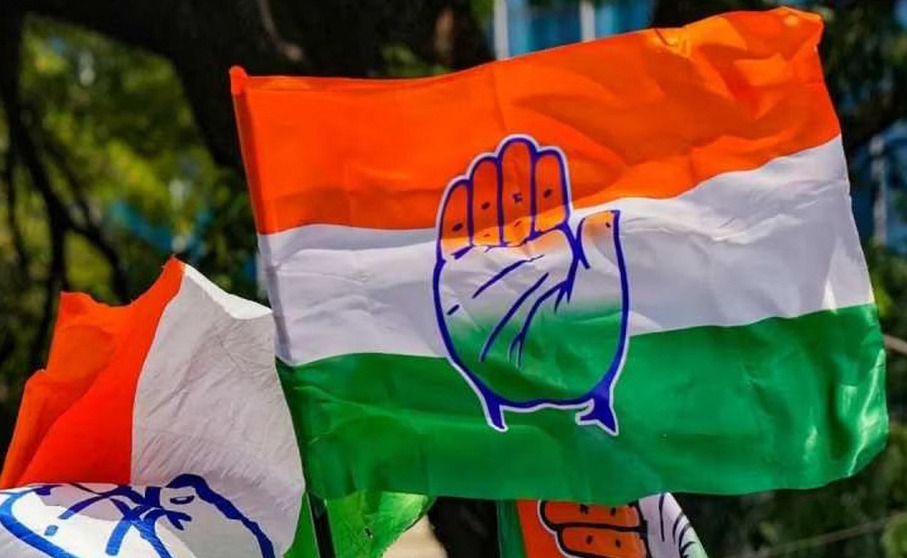

Shillong, May 25: The Meghalaya Pradesh Youth Congress (MPYC) has expressed concern over Meghalaya’s performance in the Union Ministry of Education’s Performance Grading Index (PGI) 2.0, highlighting challenges in the state’s education sector.
According to the latest PGI 2.0 report, Meghalaya scored 448 out of 1,000 and remained in the Akanshi 3 category. The state had scored 417.9 in the previous assessment.
In a statement, MPYC President Timjim Momin said the report reflects the need for stronger efforts to improve educational outcomes across the state.
The organisation cited government data showing that out of 14,582 schools in Meghalaya, 206 reportedly have zero students while 2,269 schools have single-digit enrolment. It also referred to reports indicating that around 22,000 children drop out of school annually.
The MPYC further highlighted concerns regarding the higher secondary transition rate, stating that 47.8 percent of students move from Class 10 to Class 11. Referring to ASER data, the organisation noted that in rural Meghalaya, 19.5 percent of Standard 3 students can read a Standard 2-level text, while 16.1 percent of Standard 5 students are able to perform basic division.
The organisation also referred to the recent improvement in the 2026 SSLC pass percentage, stating that examination results should be viewed alongside broader indicators of educational performance and learning outcomes.
The MPYC called for a public audit of education funds received since 2018 from the World Bank, Asian Development Bank (ADB), and the Central Government. It also sought district-wise mapping of education expenditure against learning outcomes and dropout rates, an independent review of the 2026 SSLC results, rationalisation of zero-enrolment schools through community consultation, linkage of grant-in-aid to measurable educational outcomes, and a focused education plan for rural and weak-performing areas, including Garo Hills.
“Every dropout is a child whose future has been narrowed. Meghalaya needs sustained efforts to strengthen education outcomes and ensure quality learning for all students,” Momin said.