
ROOPAK GOSWAMI
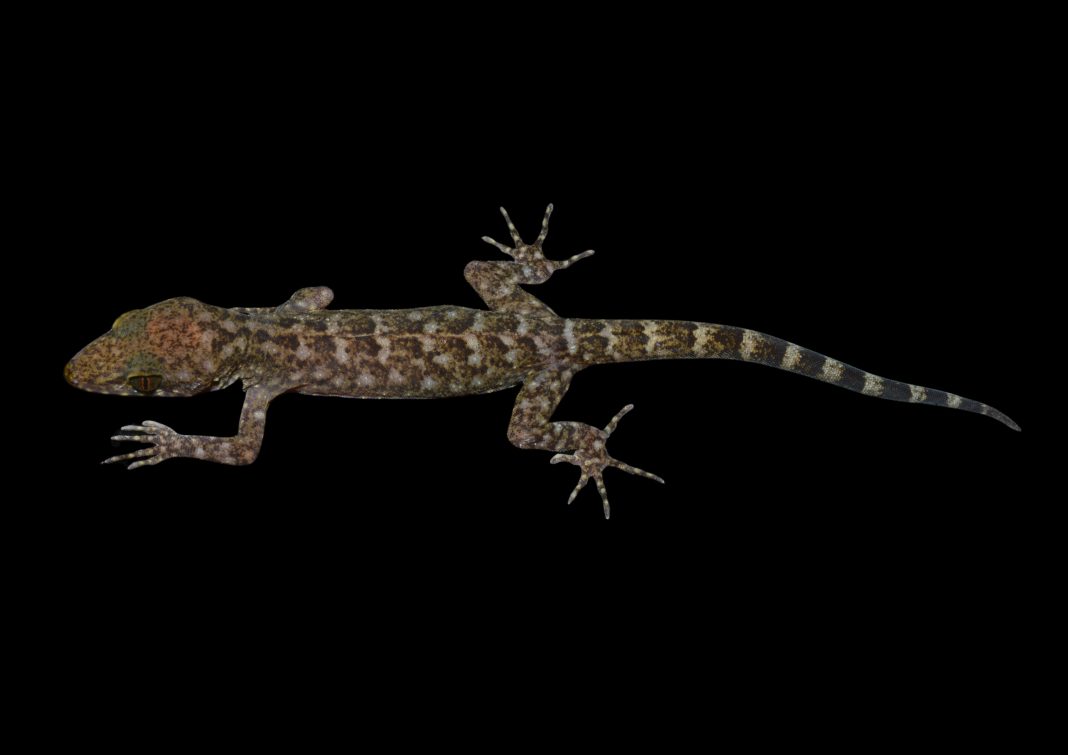
Shillong, Nov 25: Meghalaya’s limestone caves have yielded two new species of geckos, adding to the growing record of the state’s biodiversity. In a distinctive touch, researchers have named the reptiles after elements of Khasi culture and language — the traditional wooden buses of Shillong and the Khasi word for cave.
The two species, scientifically identified as Cyrtodactylus bossmit and Cyrtodactylus kremicola, have been discovered in the Khasi and Jaintia Hills by researchers from Assam Don Bosco University, Cotton University and biodiversity organisation Help Earth.
The findings have been published in the international scientific journal Taprobanica.
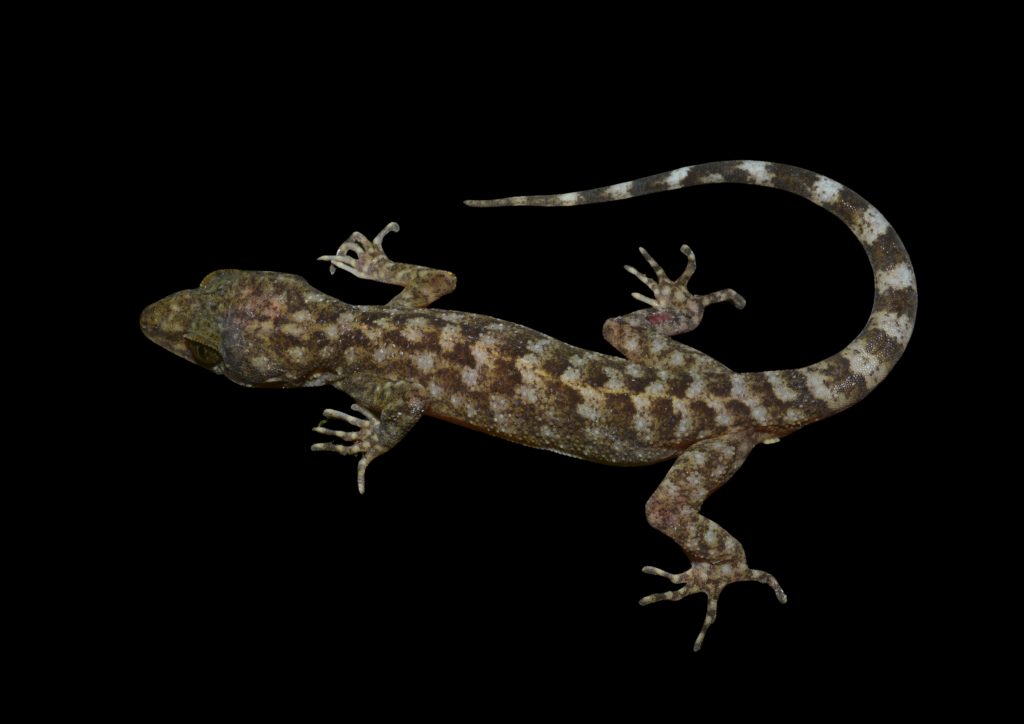
The naming of the two geckos reflects an attempt to connect scientific documentation with the cultural identity of the region. While one species takes its name from Shillong’s traditional wooden buses, popularly known as Bossmit, the other draws from the Khasi language.
The first species, Cyrtodactylus bossmit, commonly known as the Bossmit bent-toed gecko, was recorded at Maw Tynghiang Cave in Nongnah village of South West Khasi Hills. It is also known from other locations across the Khasi Hills.
The name Bossmit refers to the traditional wooden buses that have long been part of everyday transport in Shillong and surrounding areas. By choosing the name, the researchers have brought a familiar symbol of Khasi life into the scientific record.
The second species, Cyrtodactylus kremicola, was discovered at Rupasor Cave in Syndai village of West Jaintia Hills.
Its scientific name combines the Khasi word ‘Krem’, meaning cave, with the Latin word ‘cola’, meaning inhabitant. The name, therefore, refers to a cave dweller. It is commonly known as the Krem bent-toed gecko.
Revisiting a 150-year-old scientific identification
Beyond describing two new species, the study also revisits the identity of the Khasi bent-toed gecko, Cyrtodactylus khasiensis, first described in 1870.
For decades, several populations of geckos with similar physical characteristics were grouped under this single species. However, the researchers used detailed morphological examinations and DNA analysis to establish that some of these populations were actually distinct species.
The study identified the population inhabiting Arwah Cave in East Khasi Hills as the true Cyrtodactylus khasiensis, providing the first genetically validated reference for the species.
Several other populations previously classified under C. khasiensis have now been recognised as the newly described Bossmit bent-toed gecko.
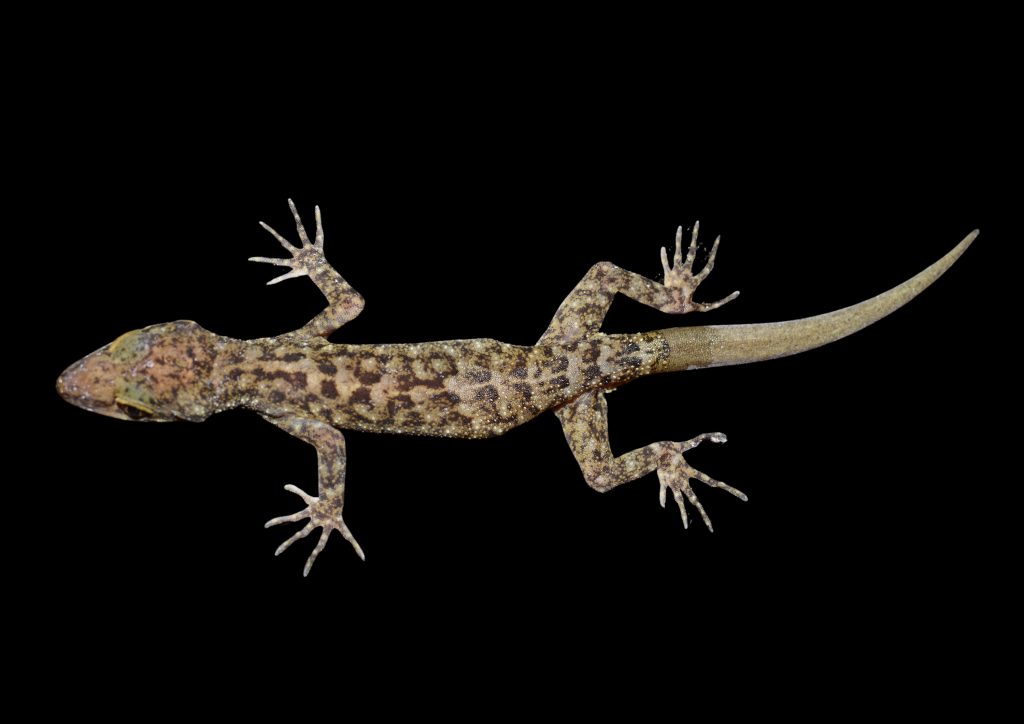
The findings bring the number of known bent-toed gecko species in Meghalaya to nine, underlining the importance of the state’s caves and limestone landscapes as habitats for specialised wildlife.
Caves hold more than geological secrets
The discoveries also draw attention to the ecological importance of Meghalaya’s limestone formations.
The state’s caves are often recognised for their geological features and tourism potential, but they also support specialised forms of life that have adapted to underground environments. The discovery of two previously undocumented gecko species suggests that these habitats may still hold considerable biological diversity.
The findings underline the need to protect limestone caves and their surrounding forests from habitat disturbance and degradation.
The research team comprised Cynthia Mylliem Umlong, Manmath Bharali, Arup K. Hazarika, Holiness Warjri, Madhurima Das and Jayaditya Purkayastha.
The study, titled Two new limestone cave-dwelling gecko species (Reptilia: Gekkonidae: Cyrtodactylus) from Meghalaya, India, with comments on C. khasiensis (Jerdon, 1870), appeared in Volume 15, Issue 2 of Taprobanica (2026).