Research breakthrough in Sohiong-infused drink set to create opportunities
Guwahati, Dec 12: The iconic Sohiog fruit of Khasi-Jaintia Hills has now emerged at the centre of a scientific breakthrough. Researchers have successfully developed the first-ever Sohiong (Prunus nepalensis)-infused kombucha, giving this underutilised mountain berry a promising entry into the global functional beverage market.
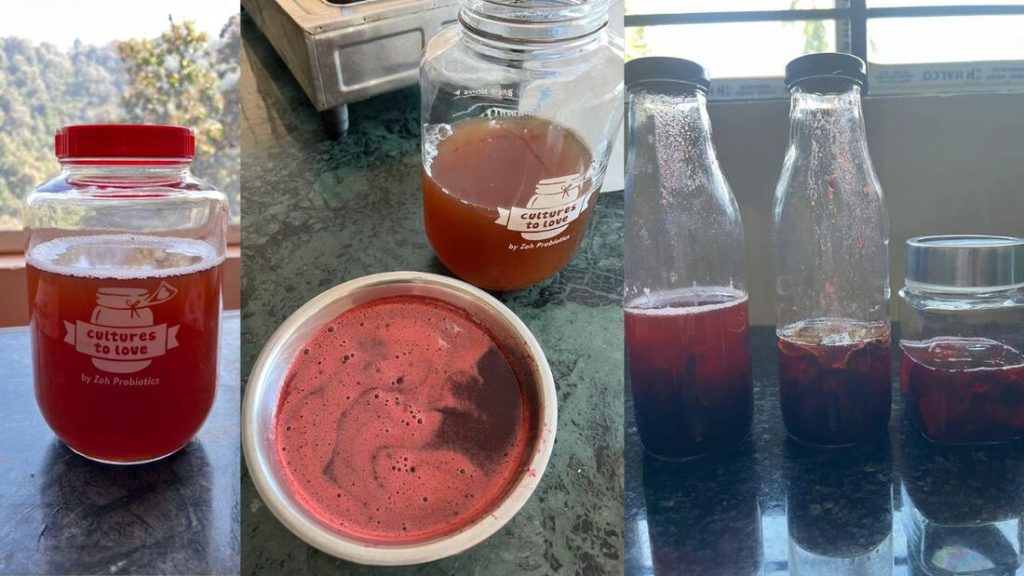
Commonly known as Khasi Cherry, Sohiong is one of Meghalaya’s most abundant yet underused indigenous fruits. Slightly sweet, mildly acidic, and richly pigmented, the fleshy, blackberry-like fruit grows wild at altitudes between 1,200 and 3,000 metres. A natural source of anthocyanins, beta-carotene, potassium and antioxidants, Sohiong has long been consumed raw or processed into jams, squash, RTS beverages and even baked goods.
Published in the Asian Journal of Dairy and Food Research, the new study by Ms. Evelyn Rishalet Laloo, Dr Radali Duarah, Dr Mrinal Kumar Das and Dr Mohammad Zaki Shamim from Assam Down Town University demonstrates Sohiong’s strong compatibility with kombucha fermentation.
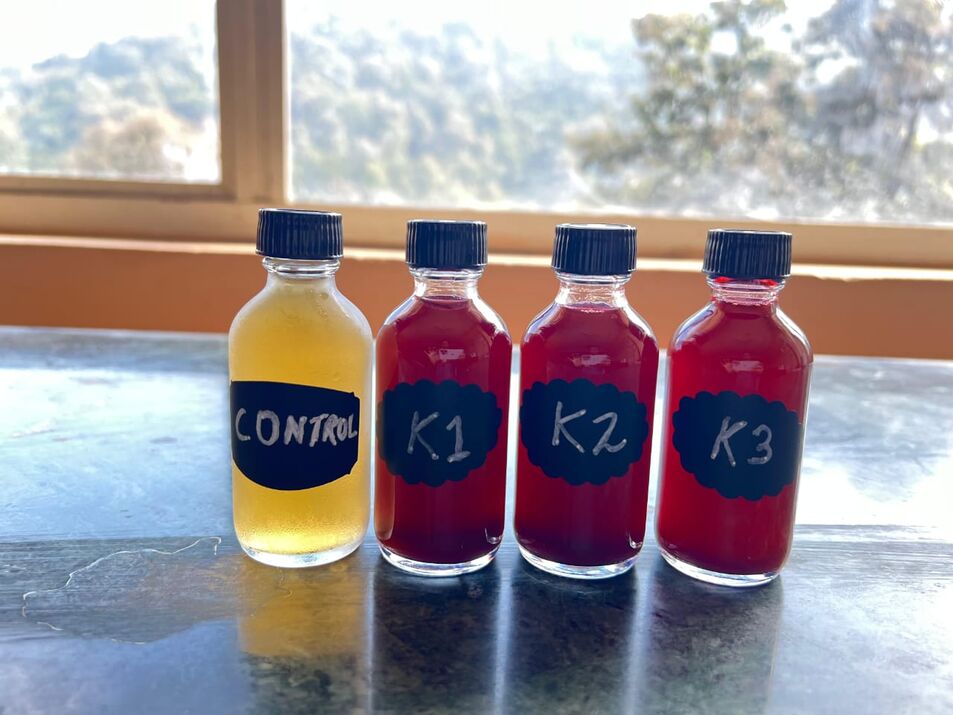
“The developed kombucha was found to be acceptable in terms of appearance, odour and taste till the final day of analysis, and there was no microbial growth found to be present in the beverage,” the authors report.
Kombucha—a fermented drink prepared from sweetened tea using SCOBY (symbiotic culture of bacteria and yeast)—was first established in Japan. The word combines Kombu, the name of the person believed to have introduced fermented tea, and Cha, meaning tea. Known for its antioxidant and anti-inflammatory benefits, kombucha is rich in nutraceutical compounds, making it an ideal vehicle for nutrient-dense local fruits like Sohiong.
By integrating the berry into kombucha, the researchers emphasise its nutritional value: “Prunus nepalensis contains high potassium, phosphorus and antioxidant levels which are beneficial for health.”
One of the most notable outcomes is the beverage’s shelf stability. Over 60 days of refrigerated storage, the Sohiong kombucha retained its colour, flavour and microbiological safety. “The storage stability analysis showed that the developed kombucha can be stored for a period of 60 days or maybe even more,” the paper notes—an encouraging sign for commercial viability.
The study further underscores the fruit’s untapped potential in the food and beverage sector, describing the research as a step toward “bringing about innovative ideas… combining the basic ingredients of kombucha with unique fruits and herbs” to develop new flavoured fermented drinks.
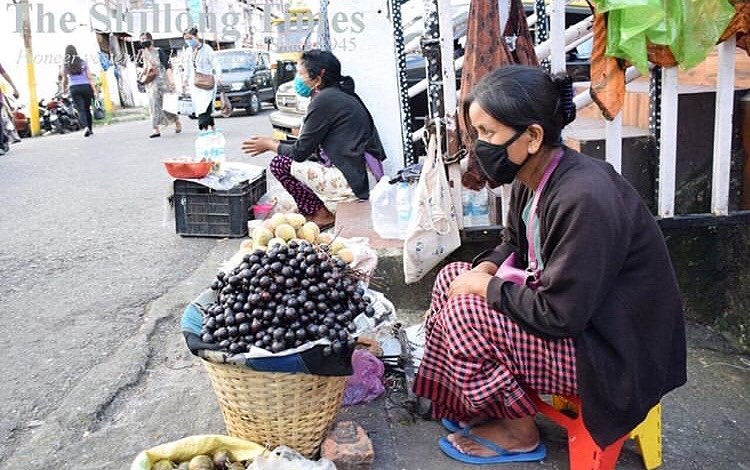
Although Sohiong is widely relished fresh and used in traditional chutneys, wines and preserves, it has rarely been explored in commercial beverage development. This research positions it as an exciting candidate for India’s fast-growing kombucha market, where local botanicals increasingly shape brand identity and consumer appeal.
“We reckon that the findings of the present study will be valuable to future research that will be conducted regarding the development, nutrient analysis and storage study of kombucha by utilising other minor fruits so that such fruits can be popularised across the world for their health-promoting properties”, the authors note.
With kombucha consumption rising across urban India, Sohiong’s entry into the segment could give Meghalaya a distinctive foothold by introducing global consumers to a nutritionally rich, culturally rooted fruit from the Eastern Himalayas.