
By Dipak Kurmi
Ramadan, the ninth month of the Islamic lunar calendar, unfolds each year as a season of profound spiritual awakening for more than a billion Muslims across the globe. It is a period defined not merely by abstinence from food and drink, but by a comprehensive discipline that seeks to refine the inner life of the believer. Marked by fasting, extended prayer, moral vigilance, and heightened generosity, Ramadan is best understood as a transformative pilgrimage of the soul undertaken within the rhythms of ordinary life. From the first light of dawn to the setting of the sun, the faithful suspend physical appetites in order to cultivate self-restraint, gratitude, and an intensified awareness of the Divine. Yet beyond personal devotion, the month radiates outward into the social sphere, binding families, neighborhoods, and entire communities in a shared experience of worship and compassion.
The spiritual gravity of Ramadan is inseparable from the history of revelation in Islam. It was during this month that the first verses of the Holy Qur’an were revealed to the Prophet Muhammad, peace be upon him, through the Angel Jibreel, known in Christian tradition as Gabriel. This foundational moment in Islamic history occurred on Laylat al-Qadr, the Night of Power, which is revered as the most sacred night of the year. The Qur’an itself describes this night as “better than a thousand months,” signifying that acts of devotion performed within its hidden hours carry immeasurable spiritual reward. Although the precise date of Laylat al-Qadr remains unknown, Islamic tradition situates it within the last ten nights of Ramadan, most likely on one of the odd-numbered nights. This uncertainty deepens the intensity of worship during the final stretch of the month, as believers immerse themselves in prayer, recitation, and supplication, seeking divine mercy and forgiveness.
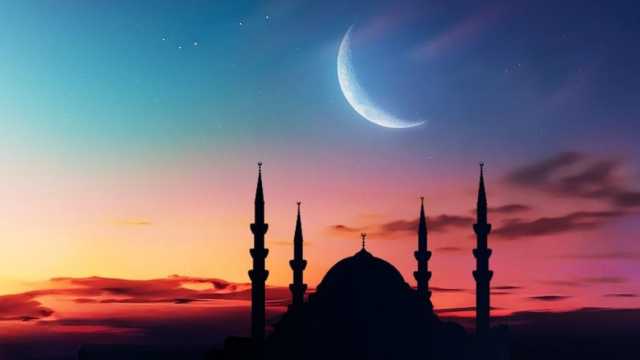
Because the Islamic calendar follows the lunar cycle, Ramadan shifts approximately eleven days earlier each year in the Gregorian calendar. Over the course of a lifetime, Muslims therefore experience the fast in the long heat of summer, the brisk brevity of winter days, and every season in between. This cyclical movement underscores the universality and adaptability of Islamic practice, ensuring that no generation is confined to a single climatic experience of devotion. In 2025, Ramadan is expected to begin around March 1 and conclude near March 30, culminating in the celebration of Eid al-Fitr. The shifting dates also reinforce a sense of anticipation, as communities look to the sighting of the new moon to announce the beginning and end of the sacred month, preserving a tangible link between faith and the natural order.
At the heart of Ramadan lies sawm, the ritual fast that constitutes one of the Five Pillars of Islam. From dawn until sunset, Muslims abstain from food, drink, and marital relations, while striving to guard their speech and conduct from falsehood, anger, and idle talk. Yet the fast is not conceived as an exercise in deprivation alone. Its deeper purpose is the cultivation of taqwa, a heightened consciousness of God that permeates thought and action. Hunger becomes a teacher, reminding the believer of human fragility and dependence upon divine sustenance. Thirst sharpens awareness of those for whom scarcity is not voluntary but structural and enduring. In this way, fasting becomes a bridge between personal piety and social empathy, dissolving complacency and fostering a more compassionate moral outlook.
Each day of Ramadan is framed by two significant meals that carry both spiritual and cultural meaning. Before dawn, Muslims partake in suhoor, a pre-fast meal intended to provide nourishment for the hours ahead. Some communities favor light fare, while others prepare elaborate dishes rooted in local culinary traditions, reflecting the remarkable diversity of the global Muslim world. At sunset, the fast is broken with iftar, traditionally beginning with dates and water in emulation of the Prophet Muhammad’s practice. The simplicity of this initial act carries symbolic weight, affirming continuity with prophetic example before expanding into communal meals that gather families and friends around a shared table. In many cities, mosques and community centers host open iftars, welcoming neighbors of all backgrounds and transforming the act of breaking the fast into an expression of hospitality and unity.
Islamic teachings, however, are careful to ensure that fasting does not devolve into undue hardship. Exemptions are granted to those who are ill, pregnant, nursing, menstruating, traveling, or otherwise physically unable to endure the fast. Individuals suffering from chronic illness may compensate by feeding the poor, thereby participating in the month’s blessings through acts of charity. This balance between discipline and mercy reflects a core Islamic principle: devotion must align with human capacity and compassion. The fast is a means to spiritual refinement, not an instrument of harm, and its observance is guided by both reverence and realism.
Beyond fasting, Ramadan is distinguished by intensified prayer and devotional practice. In addition to the five obligatory daily prayers, Muslims gather in mosques for Tarawih, special nightly prayers during which extended portions of the Qur’an are recited. Over the course of the month, it is customary in many congregations to complete the recitation of the entire Qur’an, immersing worshippers in the cadence and meaning of the sacred text. Many believers also dedicate personal time to reading the Qur’an independently, engaging in dua or heartfelt supplication, and reflecting on their moral and spiritual condition. The final ten nights assume particular significance, as worshippers often increase their devotions in search of Laylat al-Qadr, sometimes spending entire nights in prayer within the mosque in a practice known as i’tikaf, a retreat from worldly distraction.
Charity occupies an equally central place in the ethos of Ramadan. Zakat, the obligatory almsgiving that constitutes another of the Five Pillars of Islam, is frequently calculated and distributed during this month to maximize its spiritual merit. In addition, voluntary charity known as sadaqah flows more abundantly, funding food drives, supporting humanitarian initiatives, and assisting families in need. The giving of Zakat al-Fitr before the Eid prayer ensures that even the most vulnerable members of society can partake in the festivities that mark the end of the fast. Through these practices, Ramadan weaves together personal purification and social responsibility, reminding believers that faith is incomplete without tangible concern for others.
Despite its spiritual rewards, Ramadan presents undeniable challenges, particularly in contemporary contexts marked by demanding work schedules and academic pressures. Long hours of fasting can test physical stamina and mental concentration, especially during extended summer days or in professions requiring manual labor. Students may struggle to maintain focus during examinations, and employees may experience fatigue during late afternoon hours. Increasingly, educational institutions and workplaces recognize the need for flexibility, offering adjusted schedules or supportive accommodations that respect religious observance. Such measures not only affirm inclusivity but also acknowledge the disciplined commitment that fasting entails.
For many Muslims living far from their countries of origin or separated from family, Ramadan can evoke a poignant sense of longing. The month is deeply intertwined with memories of shared meals, familiar aromas, and collective worship within ancestral communities. Observing it in isolation may intensify homesickness, yet local mosques and community networks often serve as surrogate families, creating spaces of belonging and solidarity. In this way, Ramadan continually reaffirms the concept of the ummah, the global community of believers united by faith across geography and culture.
The conclusion of Ramadan arrives with Eid al-Fitr, the Festival of Breaking the Fast, a day of joy, gratitude, and communal celebration. The morning begins with a special congregational prayer held in mosques or open grounds, where worshippers gather in large numbers to express thanks for the strength granted to them throughout the month. Homes fill with guests, tables with festive dishes, and hearts with a renewed sense of fellowship. Gifts are exchanged, children don new clothes, and acts of reconciliation are encouraged. Yet beneath the festivity lies a deeper spiritual awareness: Eid marks not an end, but a culmination of disciplined striving. It is a moment to carry forward the patience, empathy, and moral clarity cultivated during the preceding weeks.
Ultimately, Ramadan stands as a comprehensive spiritual curriculum compressed into a single lunar month. It disciplines the body in order to awaken the soul, tempers desire to illuminate gratitude, and intertwines worship with social justice. Its lessons are intended to endure long after the final crescent of Eid has faded from the sky. Through fasting, prayer, and generosity, believers seek not only momentary elevation but lasting transformation. In a world often fragmented by distraction and inequity, Ramadan offers a countercultural rhythm of reflection, restraint, and responsibility. Each year, as it returns and departs, it leaves behind a subtle yet indelible imprint on those who embrace its sacred arc, calling them toward spiritual excellence in every season of life.
(the writer can be reached at dipakkurmiglpltd@gmail.com)