
By Satyabrat Borah
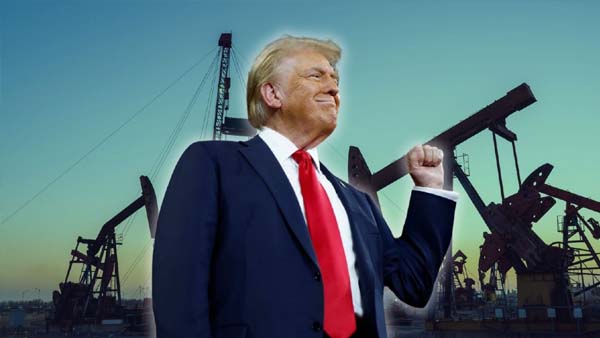
Just a few days into January 2026, the world was still buzzing about a shocking U.S. military operation that happened on January 3. American special forces struck Venezuela’s capital, Caracas, captured President Nicolás Maduro and his wife, and flew them straight to the United States. Maduro now faces serious drug trafficking charges here. President Donald Trump called it a big win against a leader he blamed for helping flood America with drugs and causing trouble in the region. But Trump did not stop there. In the days that followed, he made a series of tough, direct comments about several other countries. He spoke in interviews, to reporters on Air Force One, and in public. His words worried leaders abroad and sparked heated debates at home.
One country that got hit hard with criticism was Colombia. Trump described it as a very sick place run by a sick man, meaning President Gustavo Petro. He accused Petro of liking to make cocaine and sell it to the United States. Trump added darkly that Petro would not be doing that for much longer. He even said the idea of a military operation in Colombia, like the one in Venezuela, sounded good to him. These remarks came just after the Maduro capture, and they scared a lot of people. Colombia is the world’s biggest producer of cocaine, and drugs from there have long been a huge issue for the U.S. For years, the two countries worked together on plans to fight it, with America sending billions in aid for helicopters, training, and crop spraying.
Petro, though, has a different approach. He is a former rebel fighter who became president and wants to end the drug war through peace deals with armed groups and helping poor farmers grow legal crops instead of coca. This has caused friction with Washington. Petro fired back strongly. He said if the U.S. tried anything, he would take up arms again to defend his country. He basically dared Trump, saying come and get me. Colombians rallied around him, seeing Trump’s words as an insult and a threat to their sovereignty. The government formally protested, calling the cocaine accusations completely false.
Things escalated quickly, but then took a surprising turn. By January 8, Trump had a phone call with Petro where they talked about their differences. Soon after, Trump invited Petro to visit the White House. It was a classic Trump move: start with heavy pressure to show strength, then offer a meeting to negotiate. Many think he wants Colombia to crack down harder on drugs in exchange for better relations. The invitation calmed some fears of immediate action, but the damage was done. Trust between the two nations felt strained.
Around the same time, Trump revived his interest in Greenland. This huge, icy island belongs to Denmark but has its own local government. Trump insisted that America needs Greenland badly for national security. He pointed to the Arctic, where ice is melting fast, opening new sea routes and exposing rare minerals. Russia and China are building up their presence there, and Trump wants to stop them. The U.S. already has a space and missile base on the island, but Trump says that’s not enough. We need full control to protect shipping lanes, track missiles, and mine resources.
His White House team said they are looking at all options to get Greenland, from offering to buy it to using military force if necessary. They stressed that the military is always on the table. This shocked Europe. Denmark’s prime minister said firmly that Greenland is not for sale and its people decide their future. Leaders across Europe worried about harming NATO ties, since Denmark is an ally. Greenlanders themselves pushed back, proud of their independence. Trump tried this buy idea in his first term, and it was mocked then. But now, after proving he can act decisively in Venezuela, people take him more seriously. Still, most experts doubt Denmark would ever agree, and force would cause a massive international crisis.
Trump also had strong words for Mexico. He complained that deadly drugs, especially fentanyl made in labs there, are pouring across the border and killing Americans. He said the cartels are very powerful and something will have to be done about Mexico to wipe them out. He hinted at possible U.S. action if Mexico does not fix it. Mexico’s president, Claudia Sheinbaum, responded carefully. She said her country is handling security its own way and values its independence. No one wants U.S. troops marching in; past presidents always rejected that to avoid looking weak. Mexico and the U.S. are huge trade partners, with factories and supply chains crossing the border daily. Any big confrontation could hurt jobs and economies on both sides. Mexican officials and businesses hoped quiet talks would prevent worse steps, like new tariffs or raids.
In Cuba, Trump sounded almost hopeful for change. He said the communist government there is ready to fall because it lost its cheap oil from Venezuela. For many years, Maduro sent oil to Cuba at low prices in return for Cuban doctors, teachers, and intelligence help. Now, with Maduro gone and America planning to sell Venezuelan oil to U.S. companies, that lifeline ends. Trump predicted Cuba’s already struggling economy would collapse, forcing the regime out without even needing an invasion. Exiled Cubans in Miami celebrated, dreaming of freedom. Havana prepared for blackouts and shortages, maybe turning more to allies like Russia or China. Trump seemed to prefer squeezing them economically rather than risking a direct fight.
Even farther away, Trump weighed in on Iran. For over a week, big protests rocked the country over skyrocketing prices, unemployment, and anger at the leaders. Security forces cracked down, and reports said dozens died. Trump warned that if Iran killed more protesters, the U.S. would hit them very hard. He even said America might step in to protect people on the streets. Some protesters waved signs begging Trump for help. Iran’s government blamed outside meddlers, including America, for the unrest. This threat raised tensions in the Middle East, where U.S. bases and ships are close enough for quick strikes. People worried it could spark a wider war, involving groups backed by Iran in places like Iraq or Yemen.
All these comments happened in a rush, building on Venezuela ‘s success. Trump portrayed it as proof that America can act fast and win against bad actors. His administration talked about running Venezuela’s oil sales and guiding it toward stability. Critics called the whole thing risky and illegal without Congress approving, but Trump pushed ahead.
Many saw this as Trump bringing back the Monroe Doctrine, the 200-year-old idea that America should control its hemisphere and keep outsiders away. But he updated it with modern threats like drugs and Arctic rivals. Supporters praised him for standing tall and protecting U.S. interests. Others feared isolation, lost allies, and unnecessary conflicts.
World reactions were strong. Latin American leaders condemned interference. Europe united behind Denmark. Iran defied the warnings. At home, Republicans mostly backed Trump, while Democrats questioned the rush to force.
Around the same period, Trump pulled America out of dozens of international groups he called useless and proposed a huge jump in military spending to build the strongest force ever. It all fit his message: less talking in global clubs, more acting with power.
What happens next remains unclear. Will talks with Petro lead to real cooperation? Will Greenland stay off-limits? Can Mexico and the U.S. team up better on cartels without blows? Might Cuba open up under pressure, or hang on? Could Iran calm its protests or face strikes?
One thing is sure: Trump’s early 2026 statements put everyone on notice. He speaks bluntly, threatens big, and sometimes follows through. Countries are negotiating, preparing, and watching closely. The coming months could reshape alliances, trade, and security in big ways. For now, the world holds its breath, hoping tough words lead to solutions rather than chaos.
In simple terms, Trump is saying America will not sit back anymore. He wants problems fixed his way, using strength when needed. Whether that brings peace or more trouble, only time will tell. People everywhere are talking about it, from street protests to quiet diplomatic calls. It’s a new chapter in how America deals with the world, full of drama and uncertainty.
To understand why this matters so much, think about everyday lives. Drugs from Colombia and Mexico kill tens of thousands in the U.S. each year. Families suffer. Greenland’s location could affect future wars or trade routes worth trillions. Cuba’s people endure shortages, dreaming of better days. Iranians risk their lives protesting for change. Trump’s approach touches all that, for good or bad.
Leaders like Petro and Sheinbaum have tough jobs balancing national pride with practical needs. Allies like Denmark feel betrayed. Adversaries prepare defenses. Back in America, voters who elected Trump wanted this kind of boldness, tired of what they saw as weakness before.
As days pass, some tensions ease with talks, others build. The Venezuela operation changed the game. No one ignores Trump’s words now. They wait to see action. History shows bold moves can win big or backfire hugely. In 2026, we’re watching it unfold in real time.