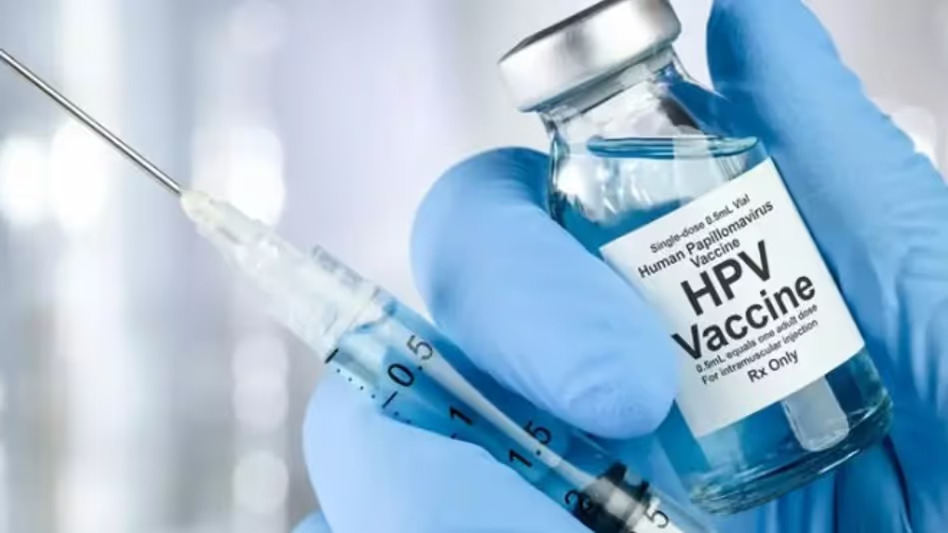

Kohima, Feb 28: In a major push to eliminate cervical cancer, Nagaland on Saturday launched the Human Papillomavirus (HPV) vaccination programme targeting all eligible 14-year-old girls, with the vaccine to be provided for free at government health facilities across the state.
The state-level launch was held at the Naga Hospital Authority in Kohima, coinciding with the national rollout by Prime Minister Narendra Modi from Ajmer, Rajasthan.
Chief Minister Neiphiu Rio was supposed to grace the occasion but was unable to due to engagements for the upcoming budget session of the state Assembly.
Addressing the gathering, commissioner and secretary to the government of Nagaland, Anoop Khinchi, described cervical cancer as a major public health concern in India and worldwide.
He stated that nearly 99.7 per cent of cervical cancer cases are caused by persistent infection of the genital tract with high-risk types of HPV.
Citing national data, he said India records an average of 1.25 lakh new cervical cancer cases annually, with around 78,000 deaths each year.
Cervical cancer is the second leading cause of cancer-related deaths among women in India, accounting for 18.3 per cent of female cancers.
The disease commonly affects women between 35 and 55 years of age, often disrupting families and the upbringing of children, he said.
Emphasising that cervical cancer is fully preventable through vaccination, Khinchi said the campaign aims to vaccinate all eligible girls aged 14 years with a single dose of the Gardasil 4 vaccine.
He informed that the vaccination drive will be conducted over a three-month period, during which the HPV vaccine will be available daily at government health facilities to ensure maximum coverage.
The vaccine is voluntary, and parental or guardian consent is mandatory, he informed.
Referring to the World Health Organisation’s global strategy to eliminate cervical cancer, Khinchi highlighted the 90-70-90 targets to be achieved by 2030: 90 per cent of girls fully vaccinated by age 15, 70 per cent of women screened by ages 35 and 45, and 90 per cent of women with cervical disease receiving appropriate treatment.
The WHO also proposes reducing cervical cancer incidence to below four cases per one lakh women in every country.(PTI)