
ROOPAK GOSWAMI
Shillong, May 28: Deep inside Meghalaya’s limestone cave systems, scientists have uncovered two new species of microsnails, a discovery that is shedding fresh light on the Northeast’s little-explored underground biodiversity and the ecological significance of its cave landscapes.
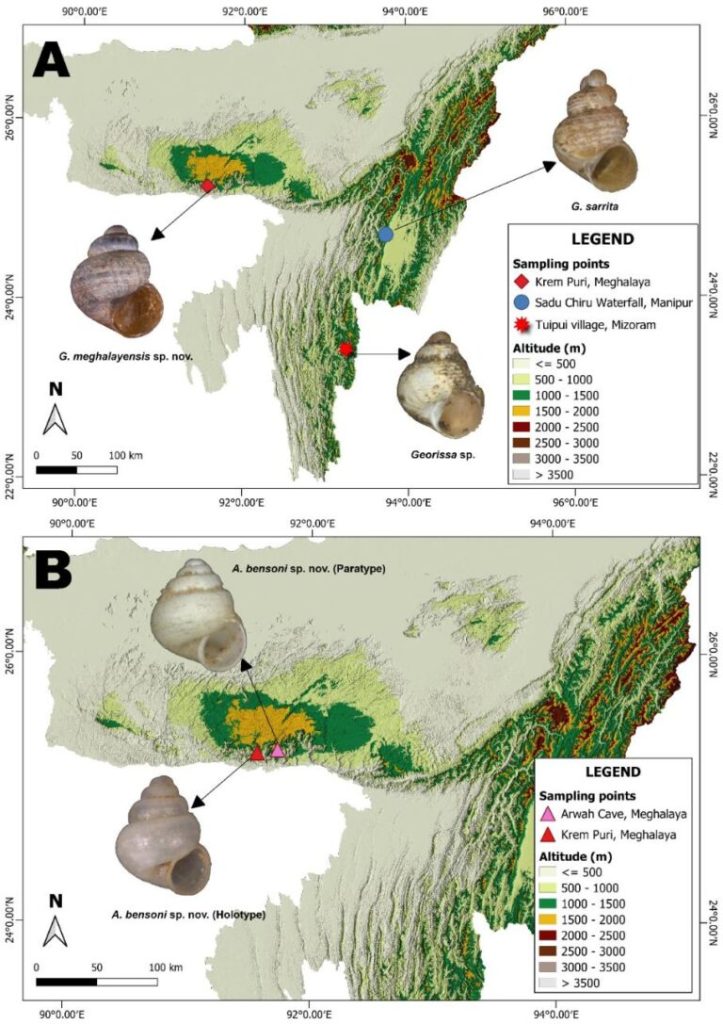
The newly identified species — Georissa meghalayaensis and Acmella bensoni — were described by researchers Nipu Kumar Das and Neelavar Ananthram Aravind in a study published in the European Journal of Taxonomy https://doi.org/10.5852/ejt.2026.1060.3284. The study also documented new records of the genus Georissa from Manipur and Mizoram for the first time.
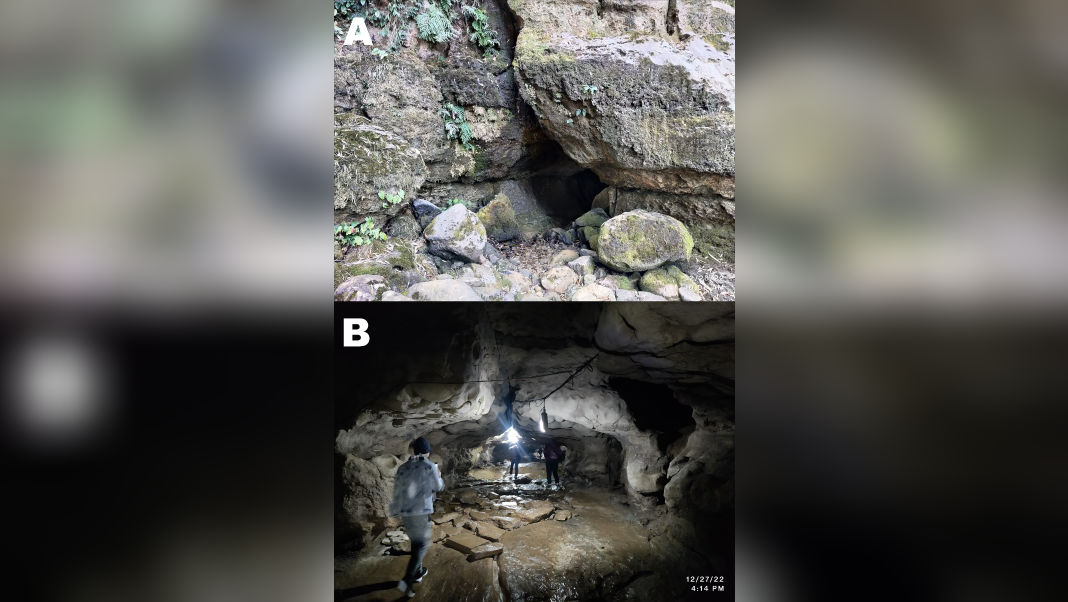
The discoveries were made during surveys of limestone caves in Meghalaya’s Khasi Hills, particularly Krem Puri and Arwah Cave, both known for their geological and ecological significance.
Researchers said the findings highlight how much of Northeast India’s molluscan diversity remains undocumented despite the region being part of the Indo-Burma biodiversity hotspot.
“This study highlights the remarkable yet understudied microsnail diversity of Northeast India and emphasizes the importance of documenting and conserving these fragile ecosystems before they face increasing human pressure,” the researchers said.
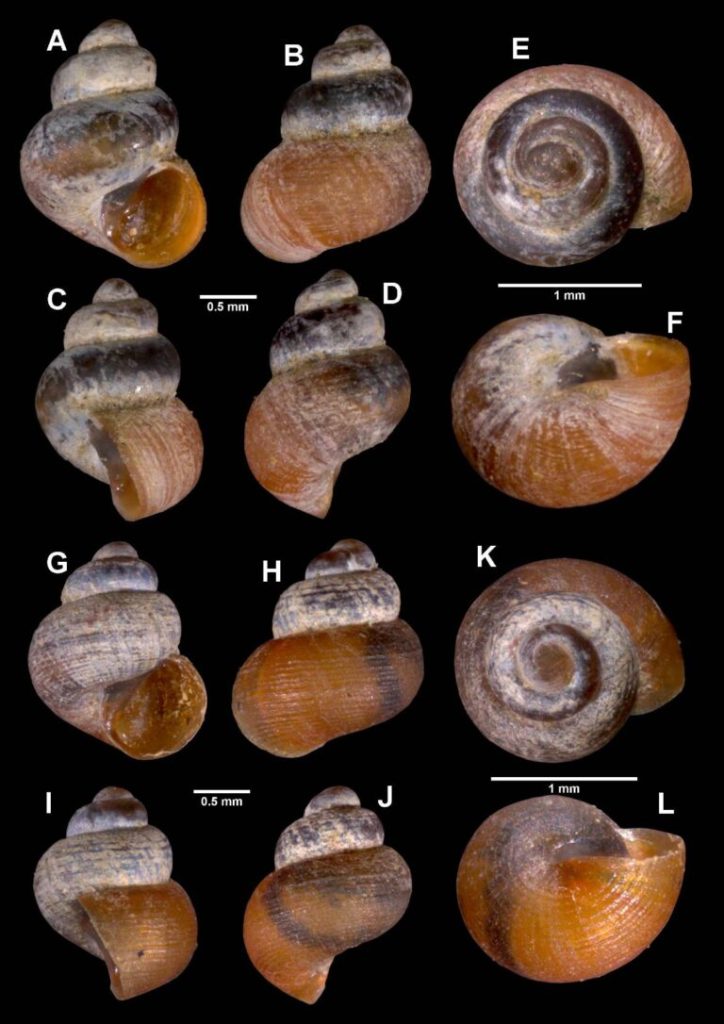
The tiny snail Georissa meghalayaensis was found clinging to wet, moss-covered rock surfaces near the entrance of Krem Puri cave. Scientists described it as a small, orangish-red snail with distinctive mesh-like shell patterns that separate it from related species found elsewhere in Asia.
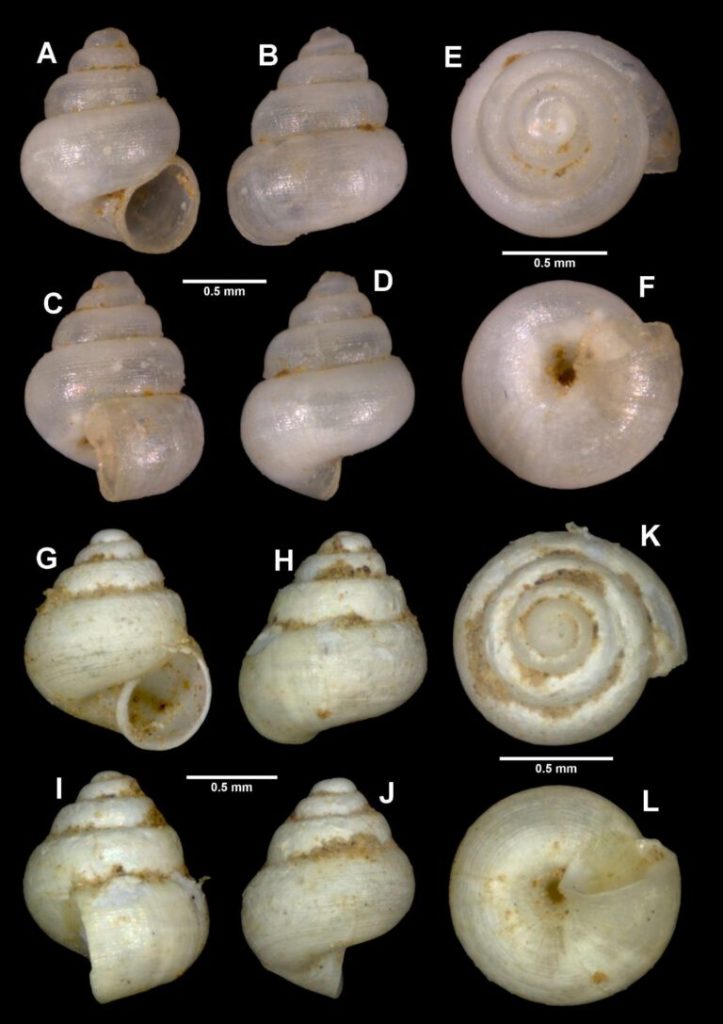
Meanwhile, Acmella bensoni — named in honour of British malacologist William H. Benson — was discovered on cave walls inside Krem Puri and Arwah Cave. The species is minute, white, and semi-transparent, adapted to the damp cave environment.
The researchers noted that Meghalaya, with over 1,200 limestone caves, represents a major but underexplored zone for cave biodiversity studies and conservation. They said the discoveries reveal significant “Linnean and Wallacean shortfalls” — scientific terms referring to gaps in knowledge about species identities and distributions.
Apart from the two new species, the team also reported Georissa specimens from the Sadu Chiru waterfall area in Manipur and from Tuipui village in Mizoram, expanding the known range of the genus in Northeast India. The Mizoram finding marks the first recorded occurrence of Georissa in the state.
The study, however, also raises concerns over growing tourism pressure in ecologically sensitive cave systems. Researchers observed that heavy tourist footfall, artificial lighting, and infrastructure development inside caves could threaten fragile microsnail habitats.
Scientists believe the discoveries are only the beginning, with Meghalaya’s cave ecosystems likely harbouring many more species yet to be documented.