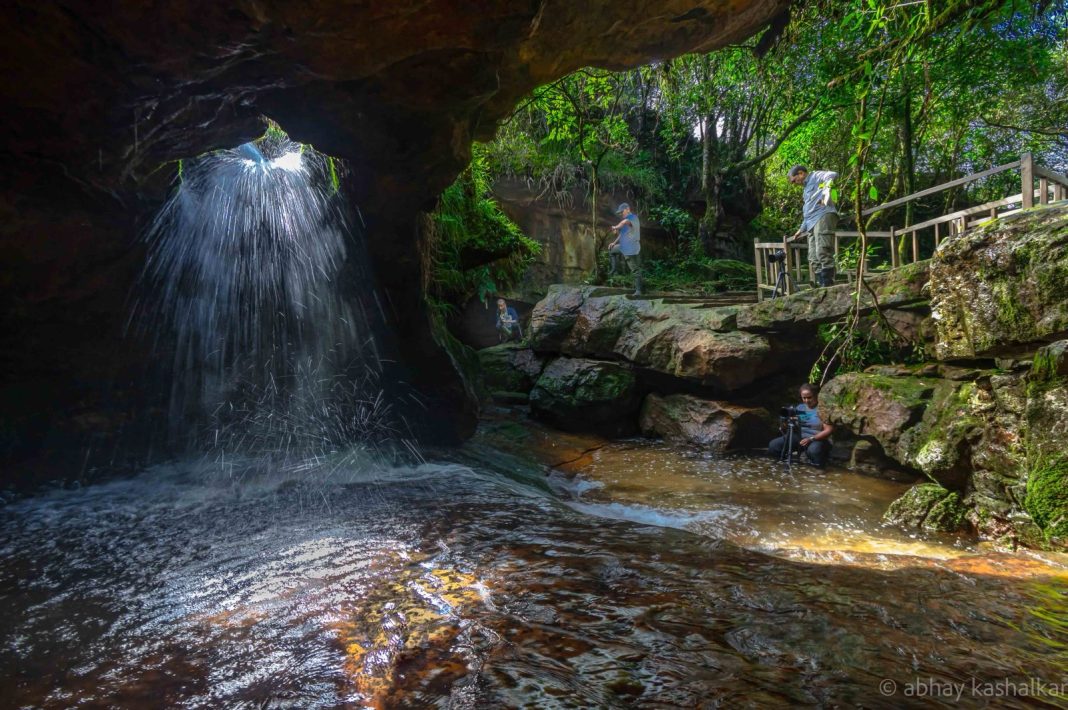

The glowing fungus was one of the highlights of a five-day photography and biodiversity expedition held in Meghalaya from July 1 to 5
ROOPAK GOSWAMI
Shillong, Aug. 2: What brings a stock market entrepreneur from Kolkata, an IIT-trained chemical engineer from Bengaluru, a retired infrastructure consultant from Mumbai and a professional photographer to Meghalaya’s rain-soaked forests?
Not business. Not even the state’s famed waterfalls.
They came in search of Meghalaya’s extraordinary biodiversity—and one of nature’s most mesmerising spectacles: a tiny mushroom that glows in the dark.
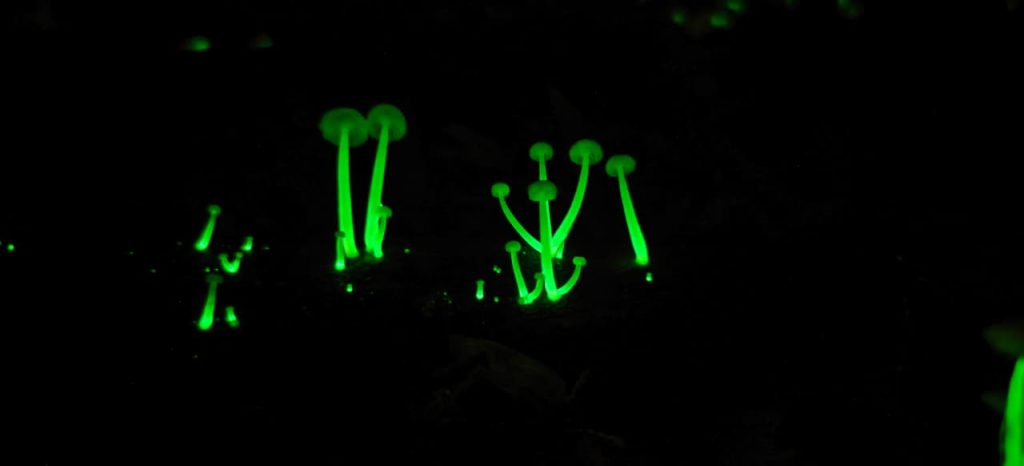
Hidden beneath the dense forests of Sohra, the rare Roridomyces phyllostachydis transforms the forest floor into a constellation of eerie green lights, creating what visitors describe as “little lamps” scattered across the undergrowth.
The glowing fungus was one of the highlights of a five-day photography and biodiversity expedition held in Meghalaya from July 1 to 5, led by wildlife photographer and herpetologist Soumabrata Moulick. The expedition drew participants from across India, including Krishna Daga, owner of Millennium Stock Broking Pvt. Ltd. in Kolkata; Amit Kumar Jha, an IIT-trained chemical engineer and wildlife photographer from Bengaluru; Abhay Kashalkar, a retired infrastructure consultant from Mumbai; and commercial photographer Meena Madkaikar.
Based in Sohra, the expedition combined daytime landscape photography with nocturnal wildlife walks through Meghalaya’s forests, giving participants a rare glimpse into the state’s remarkable biodiversity.
“We had barely entered the forest when we found them burning brightly. They looked like tiny lamps on the forest floor. We couldn’t believe our luck,” Moulick recalled.
Unlike similar glowing fungi found in the Western Ghats, where the luminescence is often faint and takes time for the eyes to adjust, the Meghalaya specimens shine with remarkable intensity. Their slender stalks emit a vivid green glow while the cap remains dark—a rare characteristic that distinguishes the species from many of its bioluminescent relatives.
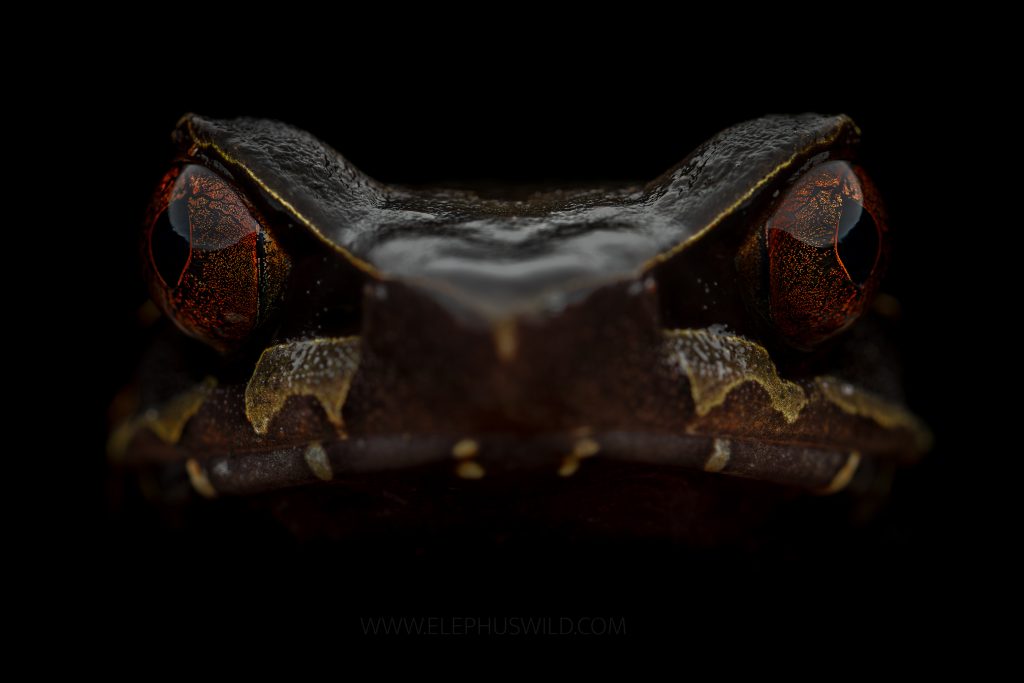
When the forest comes alive after sunset
While the days were spent photographing Meghalaya’s dramatic waterfalls, mist-covered valleys and rolling hills, the nights revealed an entirely different world.
Participants encountered rare horned frogs, snakes, caecilians—among the world’s most elusive amphibians—forest lizards, India’s only native pitcher plant, and spectacular bioluminescent fungi illuminating the forest floor.
For many, it was unlike anything they had experienced before.
“Meghalaya is an amazing experience—abundantly forested and incredibly biodiverse, with wonderful waterfalls, completely safe and welcoming people,” said Kashalkar.
Wildlife photographer Amit Kumar Jha described the expedition as a dream for macro photographers.
“Amid cascading waterfalls and lush green forests, I was captivated by Meghalaya’s hidden world of frogs and snakes. Its rare and endemic species are a macro photographer’s dream,” he said.
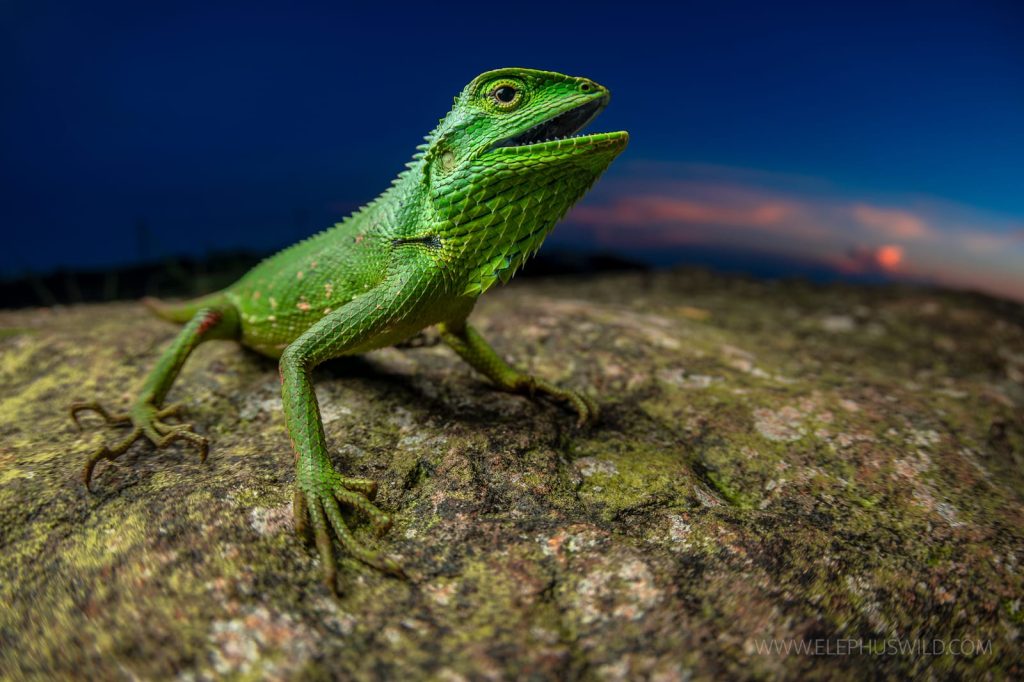
A biodiversity hotspot still full of surprises
The discovery of the glowing mushroom adds to Meghalaya’s growing reputation as one of India’s richest biodiversity hotspots.
In recent years, the state has yielded remarkable discoveries, including new frogs, geckos, orchids, freshwater algae and cave-dwelling species. Scientists believe its rain-soaked forests still harbour many fungi and other organisms waiting to be documented.
With the monsoon providing ideal conditions for fungal growth, researchers say Meghalaya remains one of India’s least explored frontiers for mushroom diversity.
For Moulick, the attraction goes far beyond photography.
“Meghalaya is a rare gem—a paradise waiting to be explored. If you’re looking for adventure 24×7, this is the place to be. Day or night, Meghalaya never fails to surprise,” he said.
His advice to anyone planning a visit is simple:
“Come prepared. Sohra won’t let you sleep. There’s so much to explore that your body gets tired, but your soul keeps wanting more.”
As darkness falls over Meghalaya’s forests each monsoon, the state’s famous waterfalls quietly give way to another spectacle—tiny green “ghosts” lighting up the forest floor, revealing a magical world that only comes alive after sunset.