
Mission Clouded Leopard launched to boost conservation
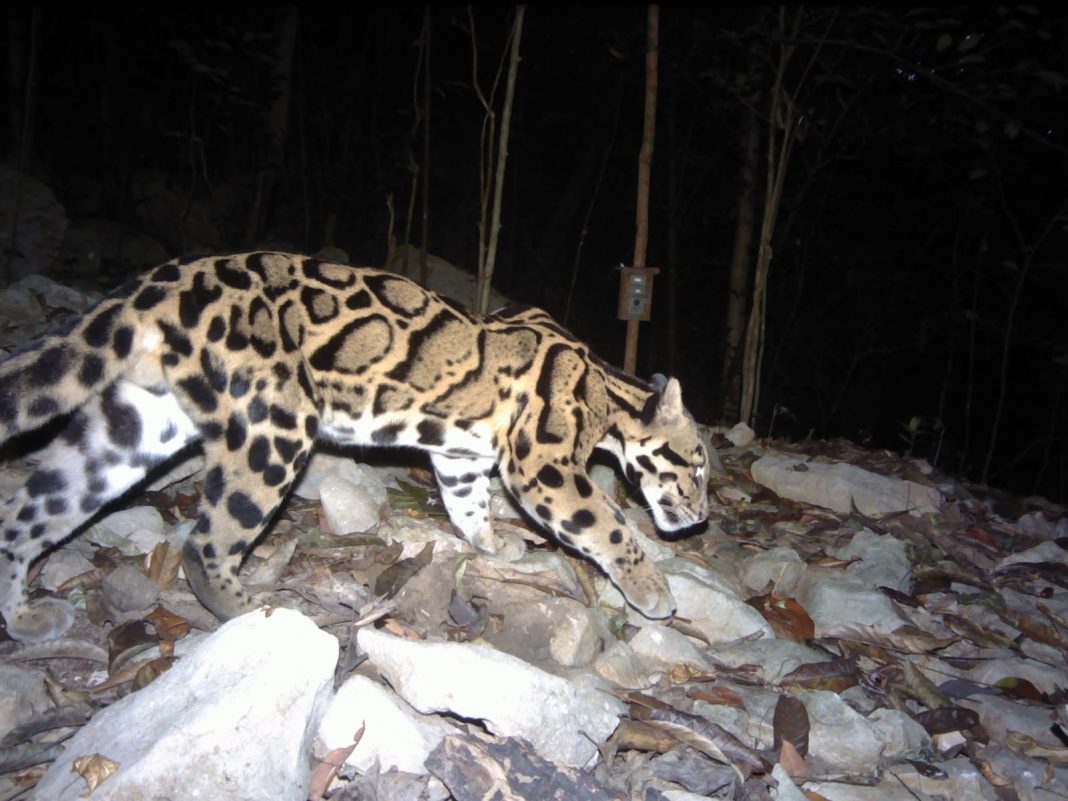
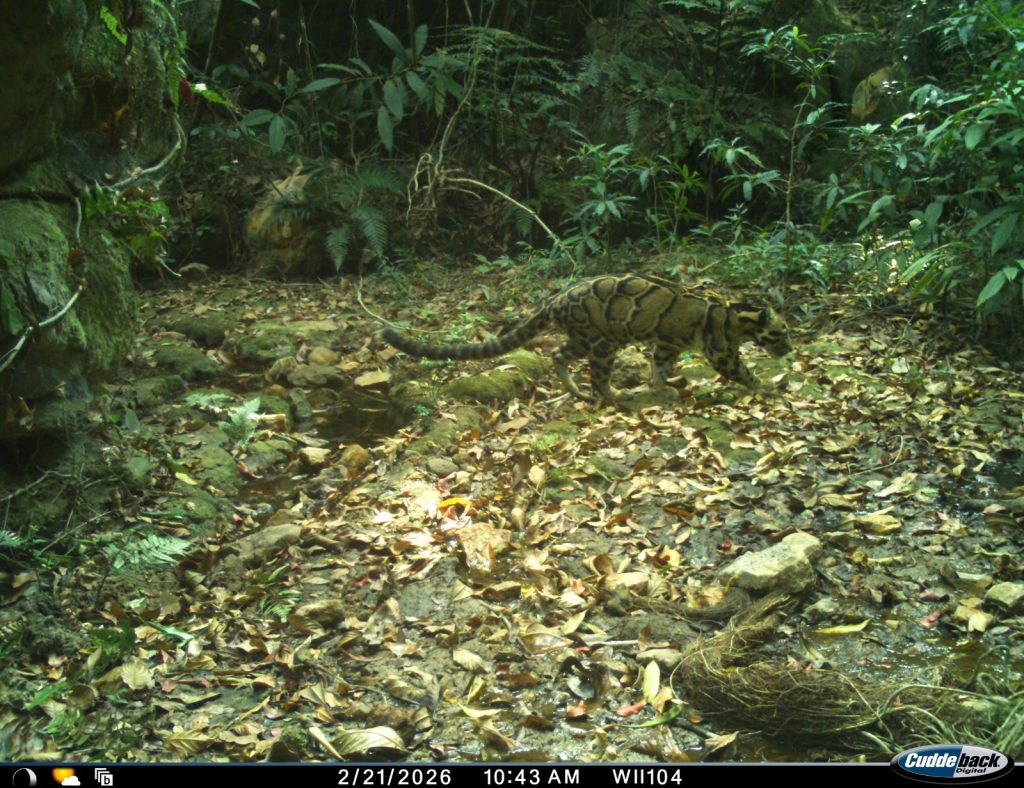
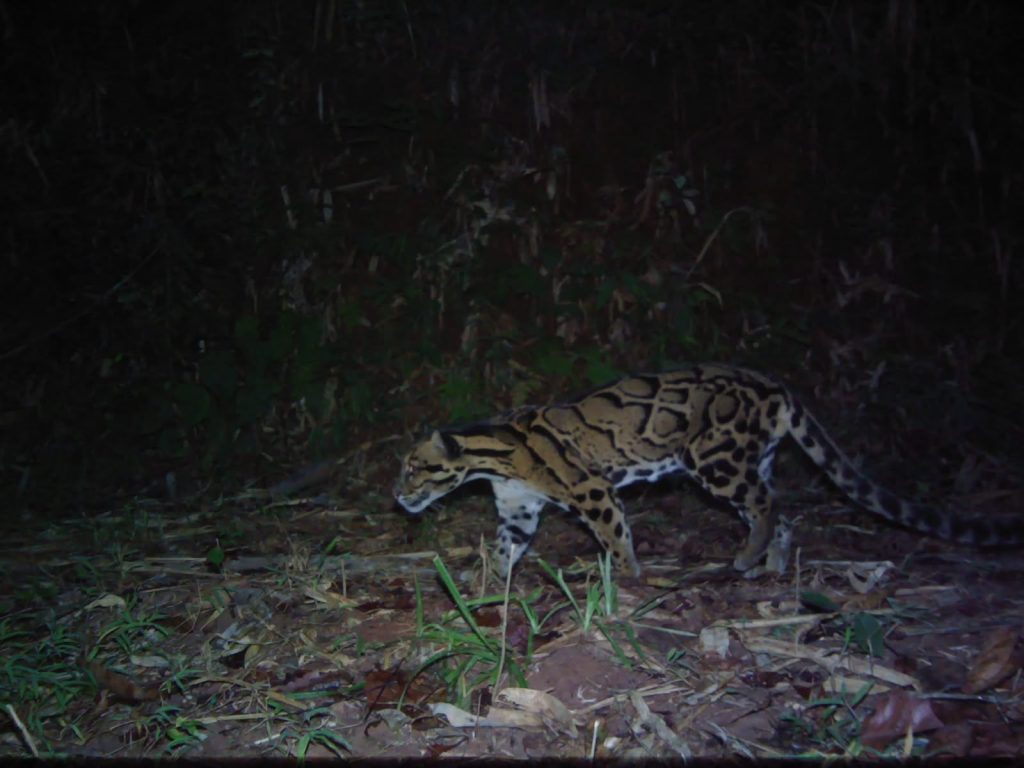
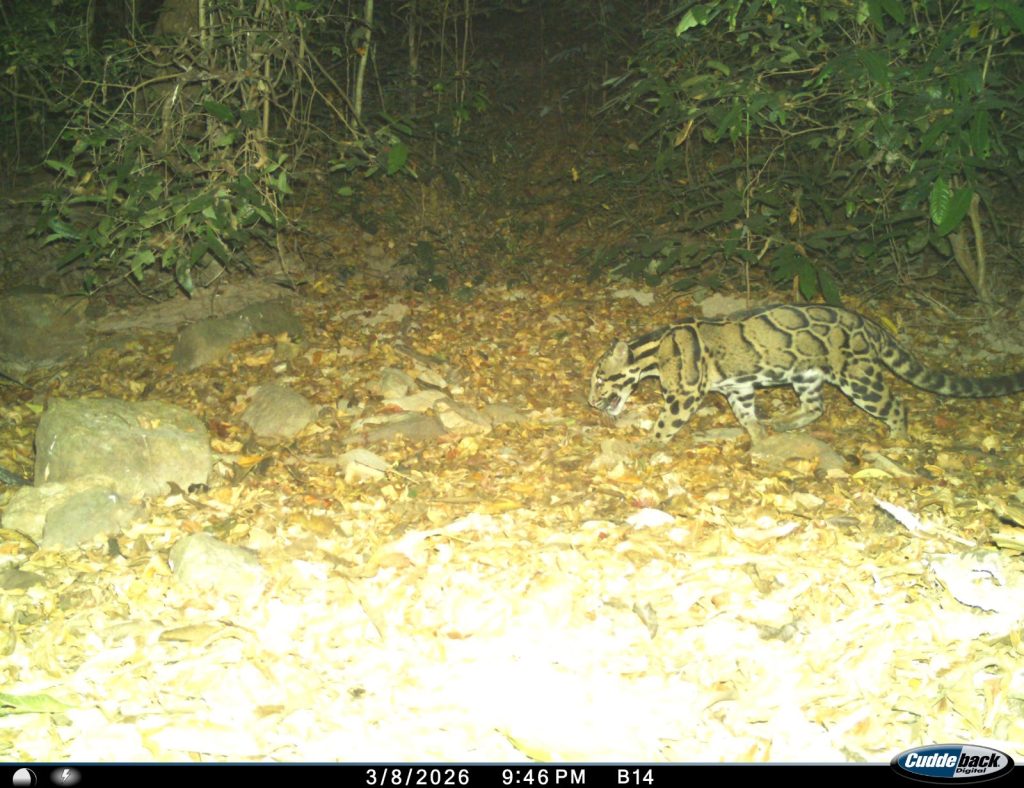
Shillong, Aug 4: Somewhere in the dense, mist-wrapped forests of the Balpakram landscape in South Garo Hills, camera traps have been quietly doing what human eyes rarely can: catching glimpses of one of India’s most secretive predators. The result is a number that conservationists are calling remarkable — 21 individually identified Clouded Leopards, confirmed through a painstaking scientific survey in a species so elusive that most people who live alongside it have never seen one.
That finding landed today alongside a bigger announcement. Chief Minister Conrad K. Sangma used the occasion of International Clouded Leopard Day to launch Mission Clouded Leopard, Meghalaya’s new flagship conservation programme built around the state’s official animal, Neofelis nebulosa.
A Cat of Many Names, and Many Threats
The Clouded Leopard goes by different names depending on who you ask in Meghalaya — Maccha Pheng to the Garo, Lakrong to the Khasi, Khla to the Jaintia. Arboreal, nocturnal, and almost supernaturally good at avoiding detection, it’s less a mascot than a ghost of the forest canopy. As a top predator, it keeps prey populations in check and serves as a living gauge of forest health — when clouded leopards vanish from a landscape, it usually means something has gone badly wrong with the ecosystem that supports them.
And there’s reason to worry. The species has carried a “Vulnerable” rating on the IUCN Red List since 2008, sits under the strictest domestic protection as a Schedule I animal under the Wild Life (Protection) Act, 1972, and is listed on Appendix I of CITES, the global treaty restricting trade in endangered species. In Meghalaya, its strongholds — Nokrek, Balpakram, Baghmara (in the Garo Hills), Narpuh, Nongkhyllem (Khasi Hills) and a patchwork of community-managed forests — are increasingly squeezed by fragmentation, snaring, shrinking prey bases, and a changing climate.
The leopard population saw a dramatic rise in numbers during the Covid lockdown, when almost zero human intrusion into the forests let the species and other animals thrive. But post-Covid, poaching cases rose again, pushing this endangered species close to being wiped out from the region.
What the Mission Actually Does
Rather than a single initiative, Mission Clouded Leopard is designed as an umbrella framework touching nearly every lever of conservation: protecting and restoring habitat, funding long-term scientific monitoring, tightening anti-poaching enforcement, rebuilding ecological corridors between fragmented forests, training frontline forest staff, and pulling in local communities and neighbouring North-Eastern states for landscape-scale cooperation.
Guiding all of it will be the forthcoming Meghalaya Clouded Leopard Action Plan, currently being drawn up by the state’s Forest and Environment Department, which will function as the strategic playbook for the species going forward.
Why the Balpakram Numbers Matter
The 21-cat count out of Balpakram National Park isn’t just a headline figure — it’s the first real data point in what officials say will become the first comprehensive population estimate of the species anywhere in the state. The survey is now being expanded across Meghalaya’s other major habitats, with the eventual goal of giving conservation planners something they’ve never had before: an actual number to work from, rather than educated guesses about a cat that’s built to be invisible.
A Call to the State
Announcing the programme, Chief Minister Sangma framed it as a shared responsibility rather than a government-only effort: “I call upon our traditional institutions, local communities, youth, researchers, conservation organisations and every citizen of Meghalaya to join hands in safeguarding our State Animal.”
Given how much of Meghalaya’s forest is under community management rather than state control, that appeal isn’t just ceremonial — it may be the single biggest factor in whether Mission Clouded Leopard actually works.