
DMF funds must create lasting jobs and incomes, says Sangma; ₹181 crore mobilised in 10 years
Shillong, October 14:
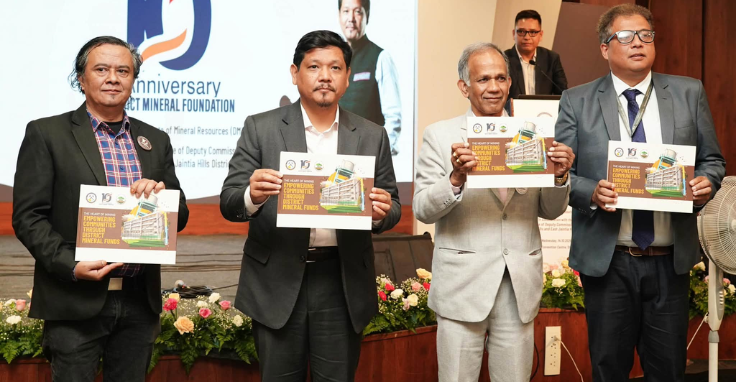
The State Government is committed to reinvesting revenue generated from mining into sustainable livelihoods, community infrastructure and income-generating activities through the District Mineral Foundation (DMF), Chief Minister Conrad K. Sangma said today.
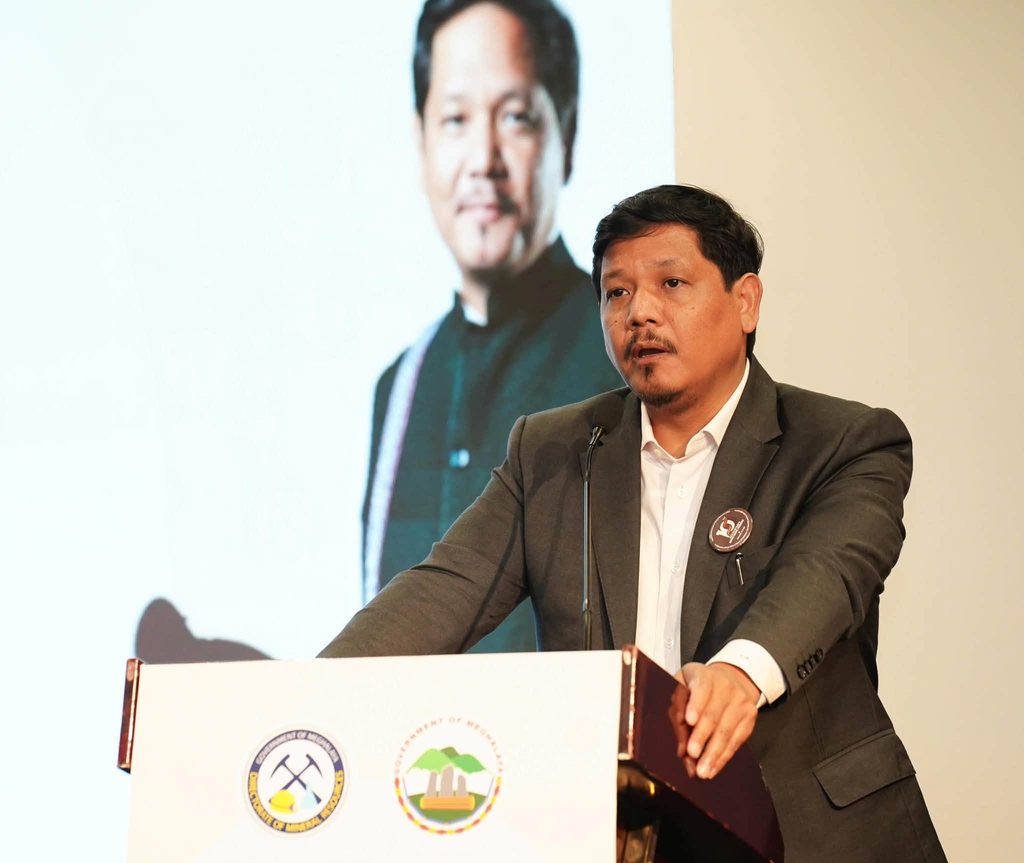
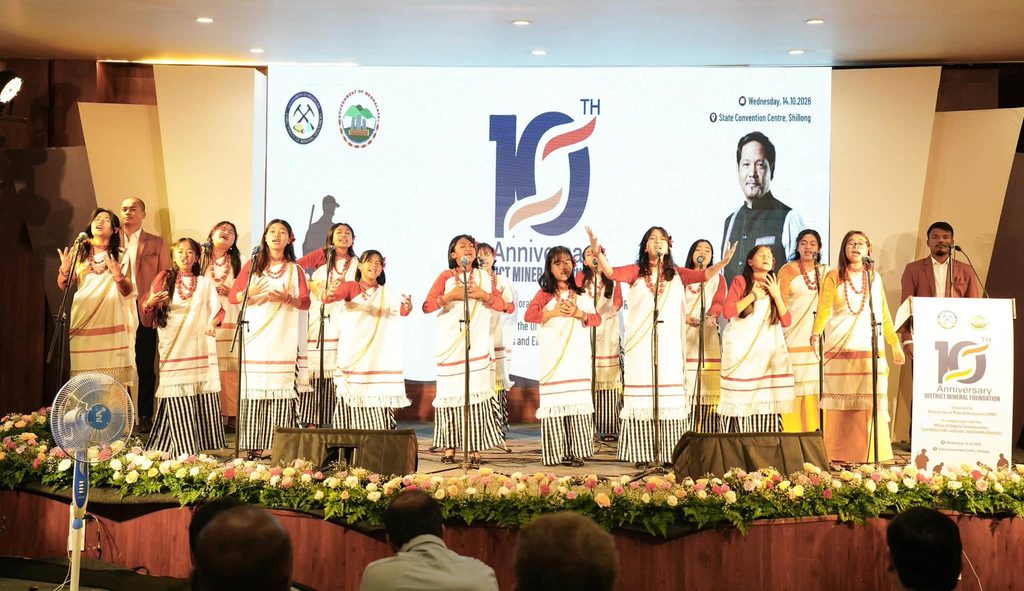
He was speaking at a programme in Shillong marking 10 years of the DMF. Mining remains a pillar of the state’s economy, he said, but the aim is to use its earnings to build a more sustainable and regenerative economy.
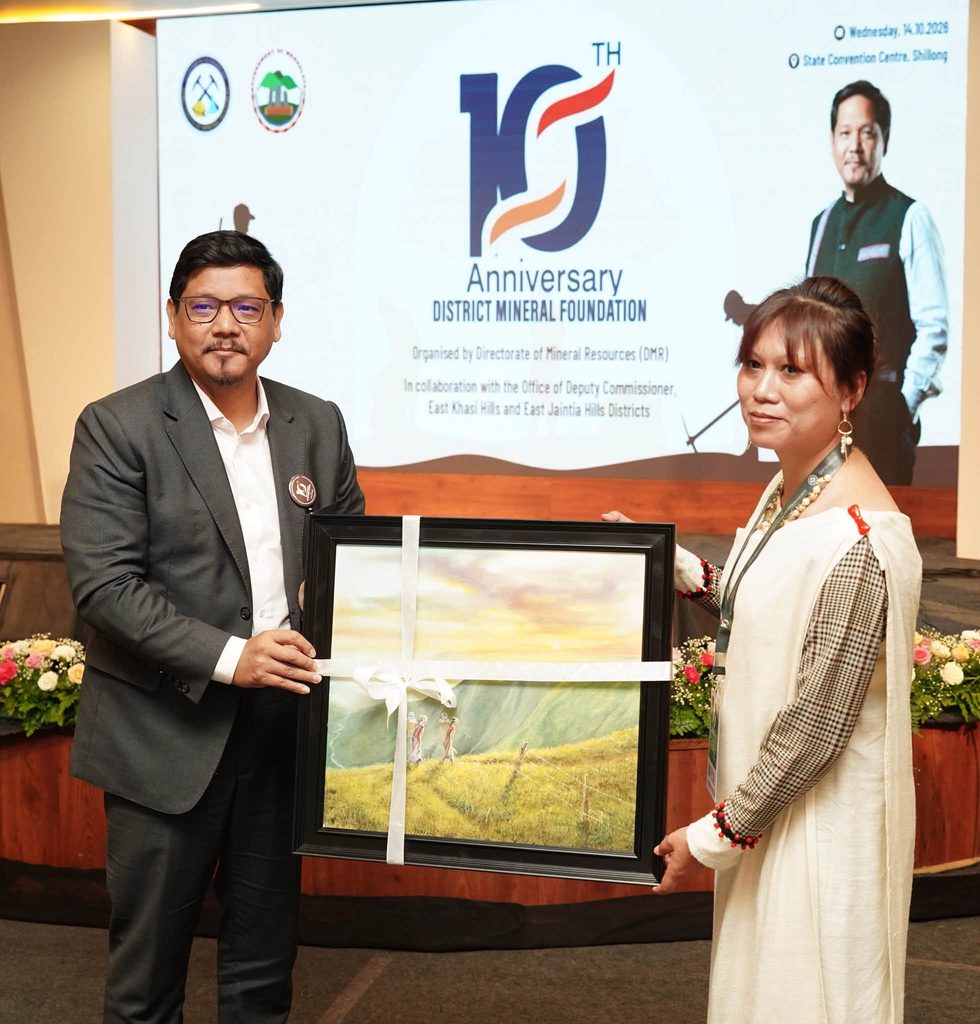
Over the last decade, the DMF has mobilised ₹181 crore in Meghalaya. A total of 923 projects have been sanctioned across the State, of which 542 have been completed.
The funds have paid for classrooms, healthcare facilities, drinking water projects, footbridges to remote villages, and environmental work such as water conservation dams and tree plantations in quarry areas.
The Chief Minister said DMF money should increasingly go to projects that create lasting jobs and incomes, especially in mining-affected areas. He named food processing, tourism, entrepreneurship and value addition as key areas.
He cited examples from the districts, including an eco-tourism park and a value-added bee products unit at Nengmandalgre, silkworm rearing and a weaving centre in Ri Bhoi, and a district emporium for locally made goods.
Farmers grow a wide range of produce, he said, but more focus is needed on processing and value addition to improve their earnings.
“Mining is a very important part of our economy,” he said. “But it is important for the State to be able to reinvest the revenue… in a way that regenerates the economy into a more sustainable form.”
He pointed to the Meghalayan Age Pavilion, inaugurated in Shillong on Tuesday, as an example of homegrown enterprise. The pavilion features local weavers, fruit wine producers, ice cream makers and other entrepreneurs. “Every single product that is being sold there is a product that is made in Meghalaya by our people,” he said.
The government, he added, is working to turn Meghalaya from an extractive economy into a regenerative one.
The Chief Minister asked Deputy Commissioners to use DMF funds more creatively, especially for livelihood projects, and to complete sanctioned projects on time. He assured them of support from the government, departments and the CM’s Secretariat, including additional state funds where needed.
He also asked districts that have mining but no DMF, or an inactive one, to set it up and make it work. He congratulated East Jaintia Hills and other districts for their initiatives.
Mining remains one of the state’s largest employers and supports thousands of families, the Chief Minister said. The government is moving gradually towards safer, scientific and environmentally responsible mining, keeping in mind Meghalaya’s geology and community land ownership.
After talks with the Centre, including the Union Coal Minister, there has been positive movement on reconsidering the minimum area required for mining. This could eventually let smaller miners take part in scientific mining.
The government is also looking at ways to address regulatory problems faced by small-scale miners of stone, boulders, sand and other minerals.
Any transition, he said, must be practical and inclusive, balancing environmental protection with jobs and local incomes, without compromising miners’ safety.