
ROOPAK GOSWAMI
Shillong, Nov 18: A new scientific study has shed light on the microbial processes behind the traditional fermentation of arecanut in Meghalaya, documenting how bacterial communities change over a period of six months.
The study, published in the journal Annals of Microbiology, examines the bacterial diversity and enzymatic activity involved in the traditional fermentation process practised by indigenous communities in Northeast India.
The study was done by Arigo Rodrigue W. Sangma and Santa Ram Joshi from NEHU, Shillong.
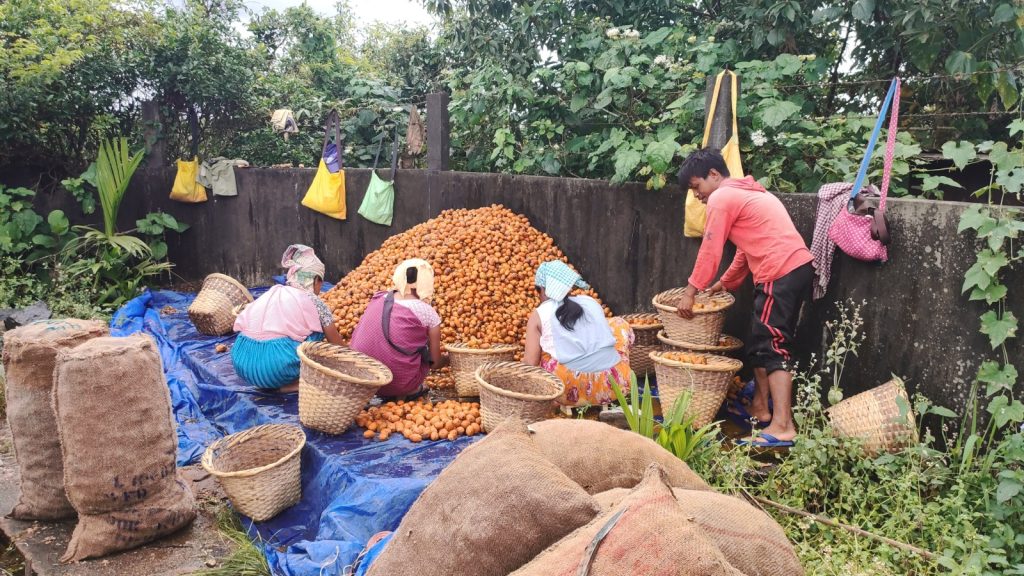
The research was conducted at Pongtung village in East Khasi Hills and is among the first detailed investigations into the bacterial diversity associated with Meghalaya’s traditional arecanut fermentation practices
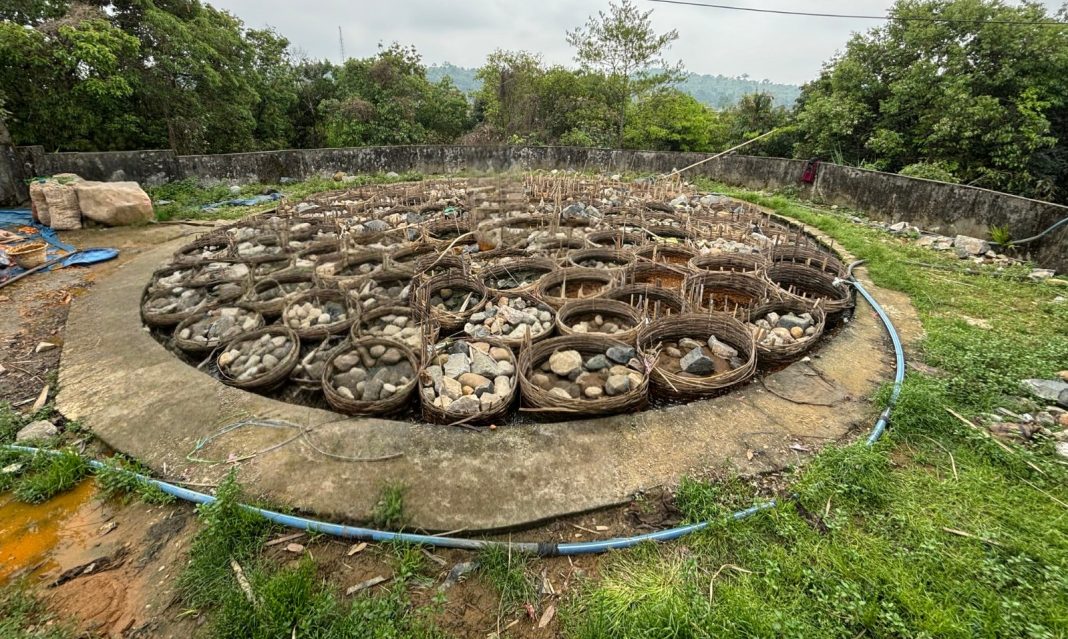
Researchers collected samples from a traditional arecanut fermentation tank in Pongtung village in East Khasi Hills district to track changes in bacterial populations from the first month of fermentation until the nuts were harvested in the sixth month.
The findings reveal that bacterial diversity increases during the initial stages of fermentation, reaches its highest level around the third month, and subsequently declines as the process progresses.
A total of 47 bacterial isolates were identified during the six-month study. The number of bacterial taxa recovered rose from five in the first month to 14 in the third month before falling to just three in the sixth month.
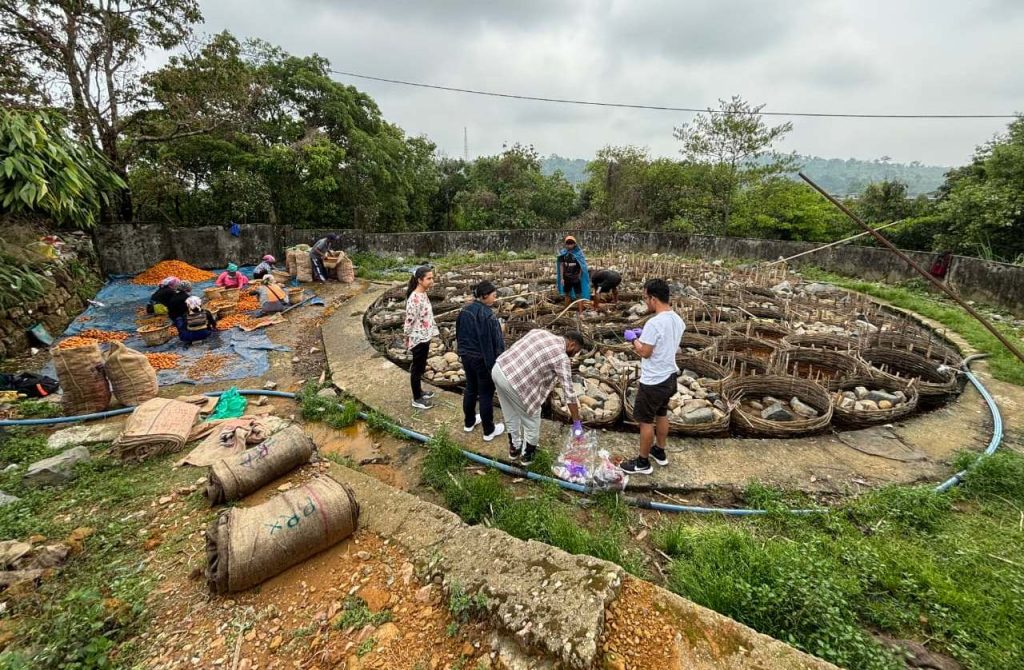
The researchers attributed the changes to microbial colonisation and the gradual adaptation of bacterial communities to the changing conditions inside the fermentation tank.
The study also identified several bacterial groups, including Bacillus, Acinetobacter, Pseudomonas, Enterobacter and Chryseobacterium, which were detected at different stages of fermentation.
Using advanced DNA sequencing techniques, the researchers found that Firmicutes and Bacteroidota were the dominant bacterial groups throughout the process. The microbial composition, however, underwent considerable changes as fermentation progressed.
The sequencing analysis showed that Paludibacter was prominent during the initial stage, while other bacterial groups, including Spirochaetaceae and members of the candidate phylum Patescibacteria, became more prominent during the later stages.
Another significant finding was the identification of bacteria capable of producing beta-glucosidase, an enzyme involved in breaking down certain plant compounds.
Among the isolates examined, Leclercia adecarboxylata (E232) recorded the highest beta-glucosidase activity of 4.45 U/ml under laboratory conditions of pH 7, 37 degrees Celsius and 36 hours of incubation.
The researchers said the enzyme-producing bacteria could be investigated further for their potential role in the breakdown and conversion of plant-derived compounds.
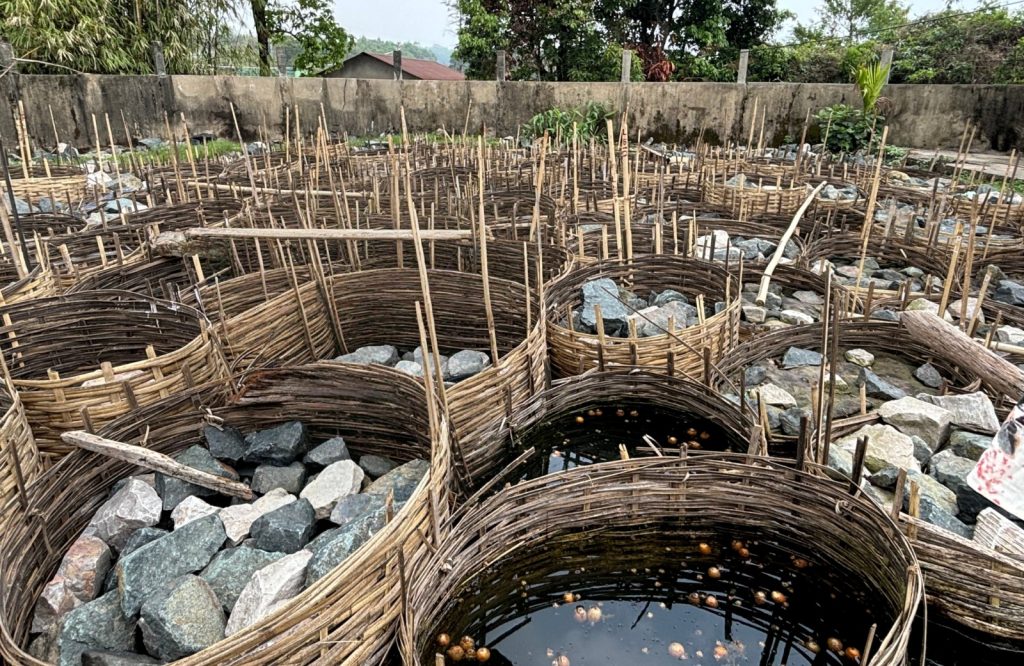
Arecanut fermentation is a traditional practice among several communities in Northeast India. In Meghalaya, the nuts are commonly placed in bamboo baskets or gunny bags and immersed in water inside specially constructed pits for three to six months.
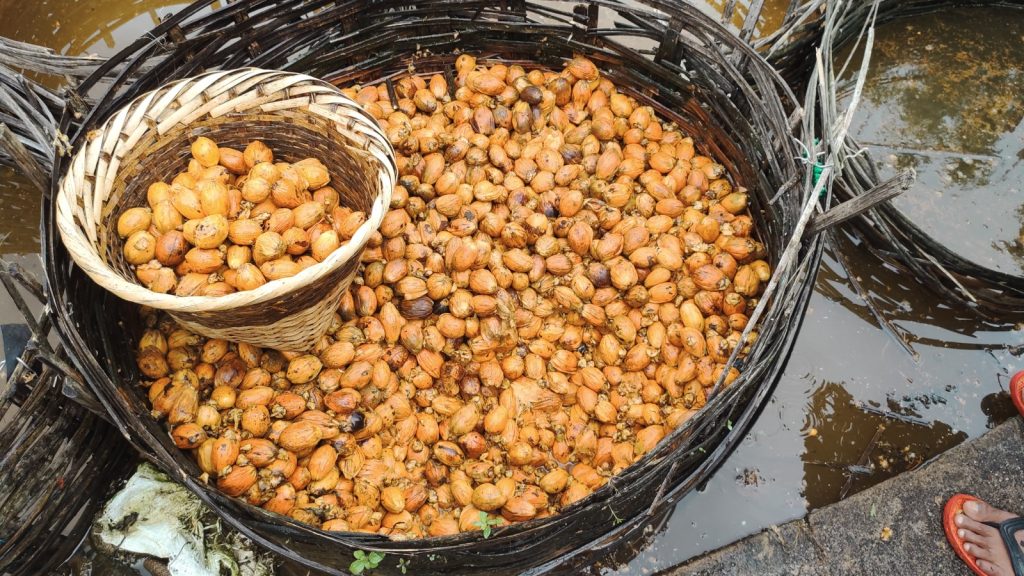
The practice is associated with local food habits and cultural traditions, with arecanut and betel leaf often offered to guests as a gesture of welcome and exchanged during social and religious occasions.
Despite its widespread cultural significance, the microbial processes involved in the traditional fermentation of arecanut have received limited scientific attention.
The researchers said the study provides baseline information on the bacterial communities involved in the process and could help improve understanding of the fermentation ecosystem.
However, they cautioned that the findings do not establish the safety or specific functional contribution of the identified bacteria. Further studies involving metabolite analysis and other biochemical investigations would be required to understand the changes taking place in the fermented nuts.