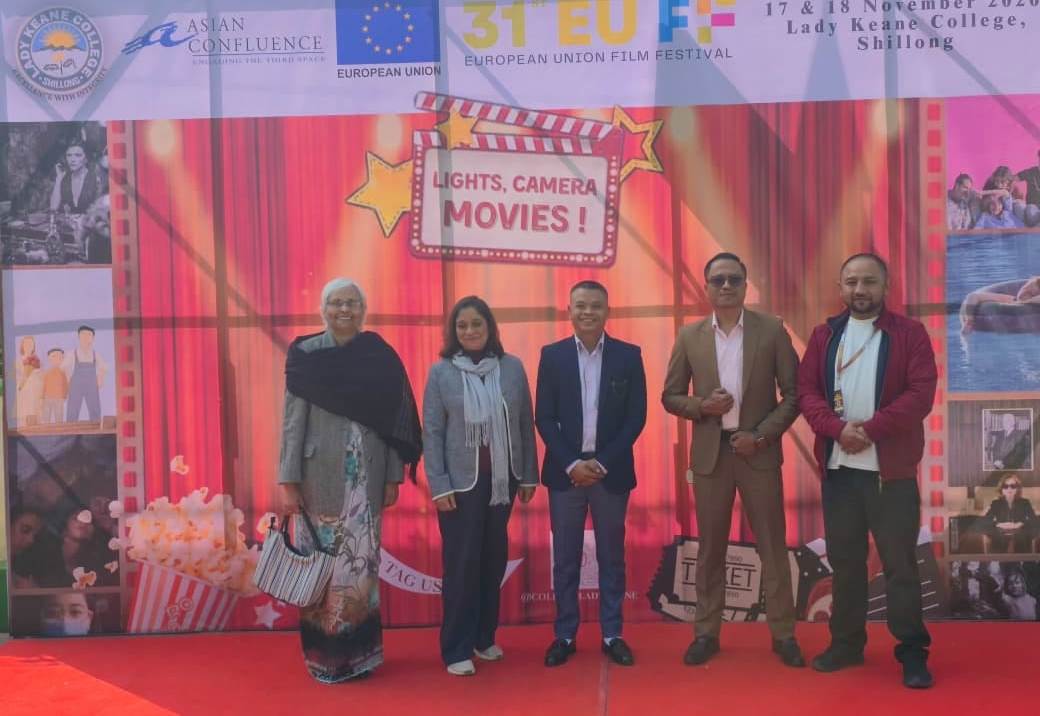

Shillong, Nov 19: The 31st European Union Film Festival (EUFF) 2026 concluded its Shillong screenings at Lady Keane College on Wednesday, after showcasing 21 European films from eight countries at four venues across the city.
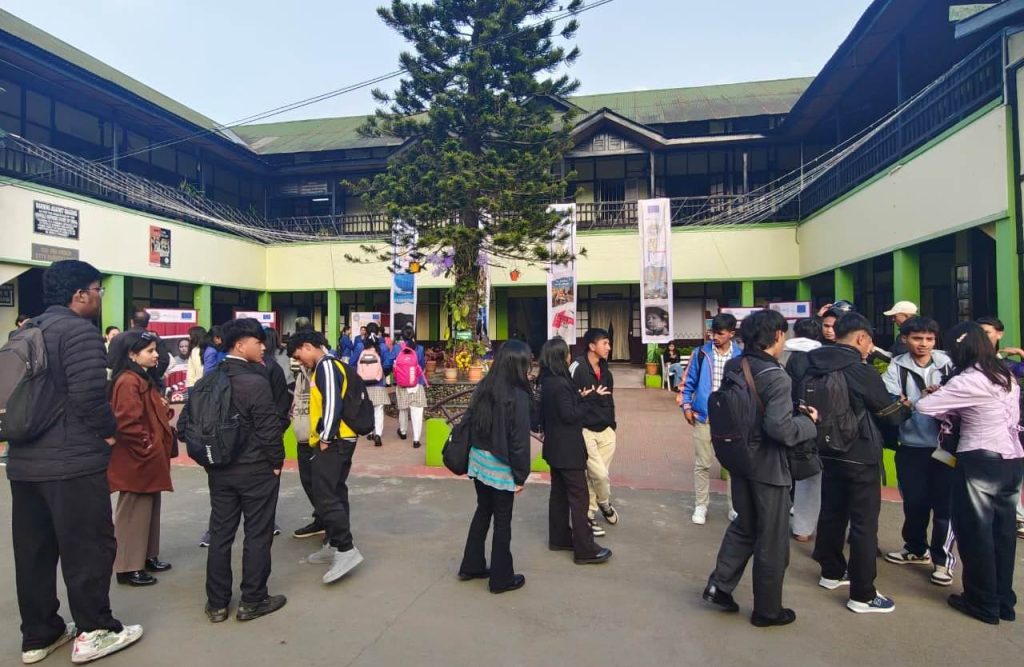
The festival made its Shillong debut from November 12 to 18, with screenings held at four venues across the city. Lady Keane College hosted the concluding two-day programme on November 17 and 18.
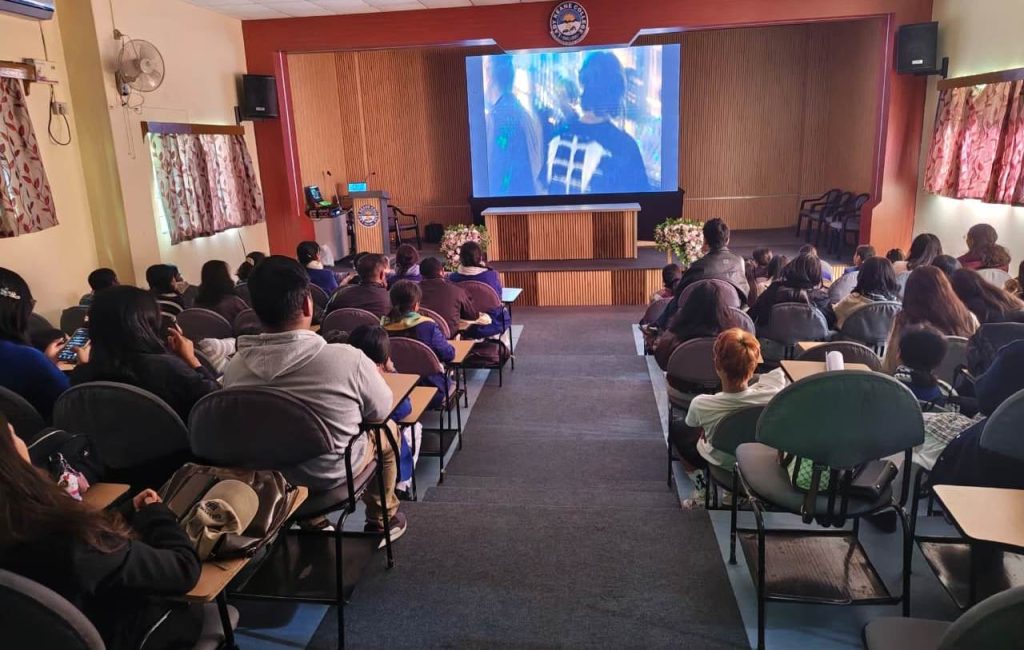
The two-day programme at Lady Keane College featured eight of the 21 films screened during the festival. These included A Boat in the Garden (Luxembourg), The Richest Woman in the World (France), Rose (Austria), No Ghosts on Good Street (Poland), 22 Lengths (Germany), A Year of School (Italy), Maricel (Cyprus) and Maria’s Silence (Latvia).
The films explored diverse genres and narratives, ranging from drama to comedy, offering students and other audiences an opportunity to engage with European cultures and storytelling traditions.
The festival also featured a visit by Jean-Eric Paquet, Ambassador of the European Union to India, to Lady Keane College on November 14. He interacted with students and discussed the importance of cultural exchange, educational engagement and people-to-people connections between Europe and North East India.
Speaking about the festival, Paquet said, “The European Union is a union of diverse nations, cultures, languages and traditions, and this diversity is one of our greatest strengths.” He added that engaging with students and young people was particularly important, as cultural exchange encouraged curiosity, broadened perspectives and helped build mutual understanding.
Sabyasachi Dutta, Executive Director of Asian Confluence, said the festival offered audiences an opportunity to explore new perspectives and connect with cultures beyond their own. He added that the initiative also provided a platform for dialogue and deeper cultural engagement between Europe and Northeast India.
Dr Anjalee M. Shangpliang, Principal-in-Charge of Lady Keane College, said hosting the festival was a privilege for the institution, adding that such platforms allowed students to experience different cultures through cinema while encouraging openness, creativity and cross-cultural understanding.