
By Prarthana Hazarika
Shillong, Sept 07: John Abraham has never hidden his ambitions for Indian football.
As the owner of NorthEast United FC, the actor has invested in a sport that has often promised more than it has delivered. His latest prediction, however, is among his boldest yet: football, he believes, will become the new cricket in India.
It is the kind of statement that immediately invites scepticism.
Cricket’s dominance in India is overwhelming—financially, culturally and commercially. Football remains a distant second in terms of national reach, despite its enormous popularity in certain regions.
But Abraham’s assertion is worth examining beyond its headline value.
For the Northeast, and particularly Meghalaya, it raises a more relevant question: is the region finally reaching a point where its football culture can be converted into a structured and sustainable development model?
That is where Abraham’s optimism finds some context.
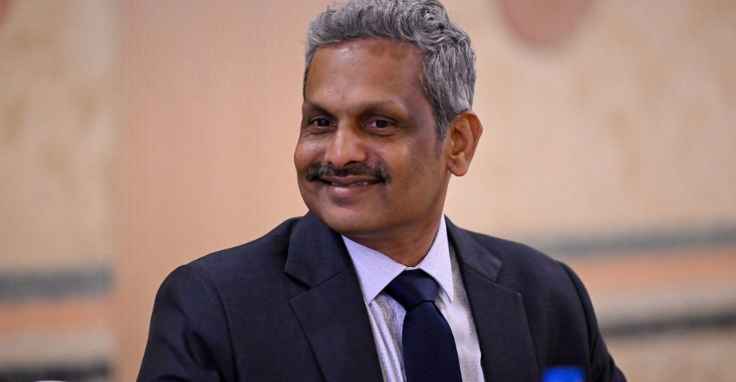
Dr Shaji Prabhakaran, a current member of the AFC Executive Committee and one of the most experienced voices in Indian football administration, believes the NorthEast United FC owner’s enthusiasm is not without reason.
“It is deeply heartening to see John Abraham’s genuine devotion to elevating Indian football through NorthEast United FC and his broader initiatives,” Prabhakaran told The Meghalayan Express.
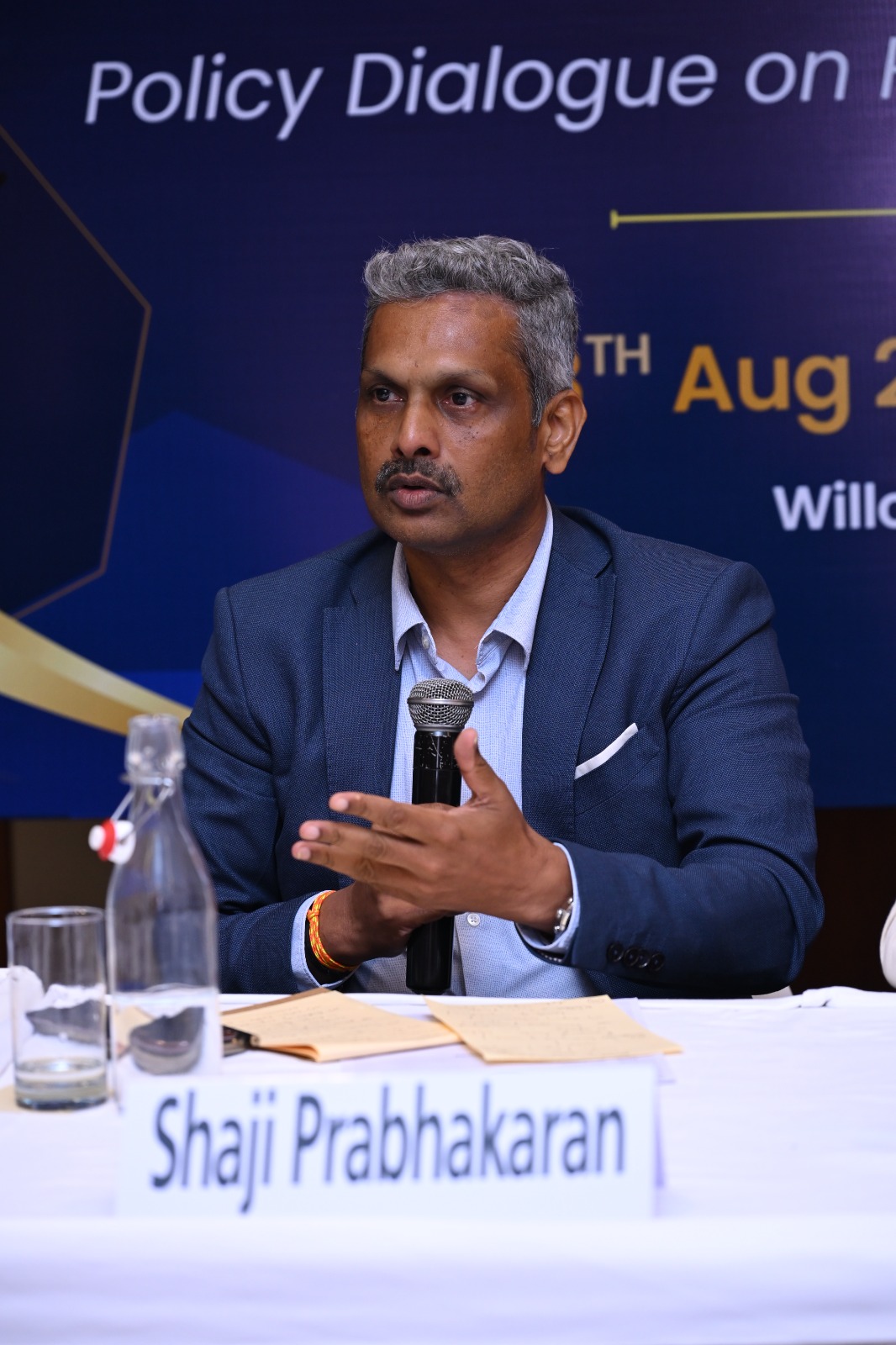
“His optimism is well-founded. The North East naturally offers an exceptionally passionate fan base where football stands supreme as the leading sport.”
It is a simple observation, but an important one.
The Northeast does not need to be taught to love football.
The game is already embedded in the region’s sporting culture. From neighbourhood grounds to organised tournaments, football has a social presence that few other sports can claim.
Meghalaya, in particular, has lived with football for generations.
Shillong’s relationship with the game is well documented. The state has produced international footballers, supplied talent to clubs across the country and retained a local football culture that has survived despite the uneven growth of the professional game in India.
Yet there remains a familiar contradiction.
Meghalaya has never lacked footballers. It has lacked a consistent system around them.
Talent has emerged.
Opportunities have not always followed.
That is why the proposed NorthEast United FC Centre of Excellence in Shillong deserves attention.
The project, for which the Meghalaya government has extended support, could potentially give the state something it has long needed: a structured pathway for young athletes.
But the significance of such a project will not lie in its architecture.
It will lie in its outcomes.
Will it identify young players from beyond Shillong?
Will it produce qualified coaches?
Will sports science become part of player development?
Will women’s football receive equal attention?
Will talented youngsters from remote districts have access to the same opportunities?
These are the questions that will determine whether an academy becomes a genuine institution or simply another ambitious sporting project.
Prabhakaran’s assessment also offers a useful reality check.
“At the same time, as an investor and promoter, maintaining that upbeat outlook is essential for expanding NEUFC’s reach, deepening supporter engagement, and attracting major brand partnerships to power the club’s growth.”»
That is perhaps the most practical way of reading Abraham’s statement.
Optimism is necessary in football. Particularly in Indian football.
Professional clubs need supporters. Supporters attract commercial interest. Commercial interest brings investment. And investment, if used correctly, can create infrastructure.
But there is a significant distance between investment and development.
Indian football has travelled this road before.
There have been leagues, corporate investments, ambitious plans and promises of a breakthrough. Yet the fundamental challenge has remained the same: building a reliable pathway between grassroots football and the professional game.
For Meghalaya, that challenge is particularly interesting.
The raw material is already there.
The state has football culture.
It has players.
It has passionate supporters.
What it needs is continuity.
A talented child playing in a village should not depend entirely on chance to be discovered. There has to be a system capable of finding that player, training him or her, providing competition and eventually creating a pathway towards professional football.
That is where the conversation around government support becomes important.
Abraham has praised the political leadership of Assam, Meghalaya and Arunachal Pradesh for supporting football and sporting development. Such partnerships can be valuable, particularly in a country where infrastructure remains heavily dependent on government involvement.
But political support, too, has to move beyond announcements.
The real indicators will be simpler.
More quality grounds.
Better coaching.
Regular youth competitions.
Women’s football programmes.
Sports science.
And opportunities for players outside major urban centres.
For Meghalaya, the present moment offers a genuine opportunity.
The state is increasingly visible in India’s sporting conversation. Football remains its strongest cultural sporting identity, while Shillong’s reputation as a football city continues to endure.
If the proposed Centre of Excellence becomes operational and is integrated into a larger grassroots system, Meghalaya could potentially move into a different phase of football development.
John Abraham’s prediction that football will become the new cricket may eventually be judged as visionary or overly optimistic.
The more immediate story is unfolding closer home.
The Northeast has always claimed football as its own.
Now, with greater private investment, political backing and the possibility of modern infrastructure, the region has an opportunity to turn that emotional connection into something more substantial.
Shaji Prabhakaran sees reason for optimism.
John Abraham is willing to put his money and reputation behind the dream.
For Meghalaya, however, the task is more demanding.
The challenge has always been building the structure around both.
If Meghalaya can get that right, John Abraham’s biggest prediction may not be the most important part of this story.