
Roopak Goswami
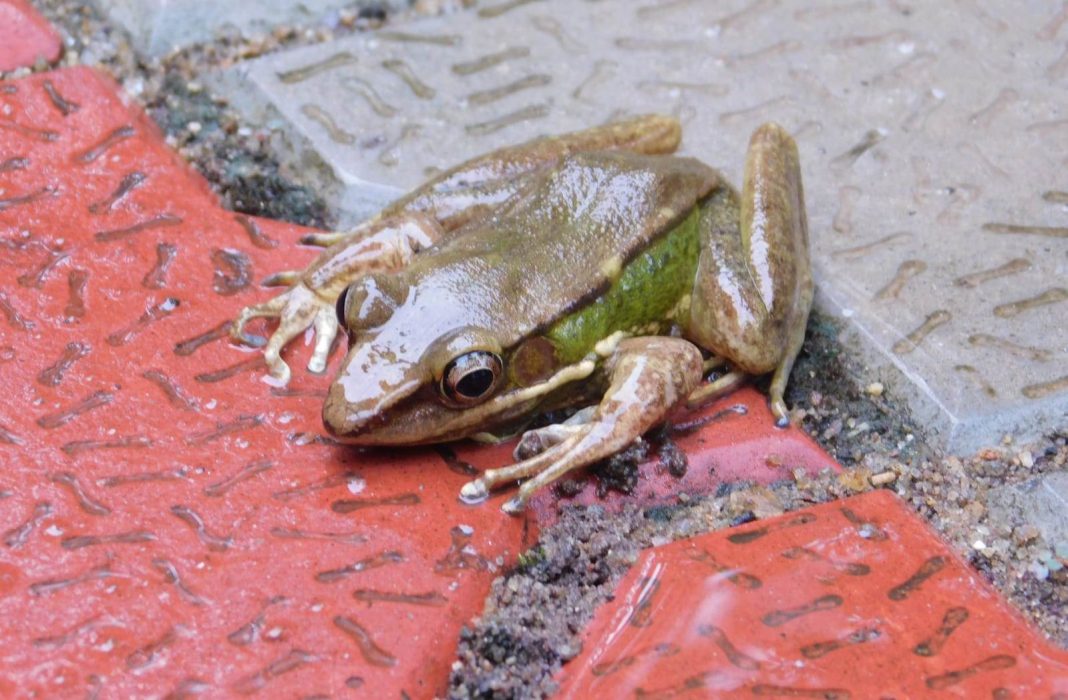
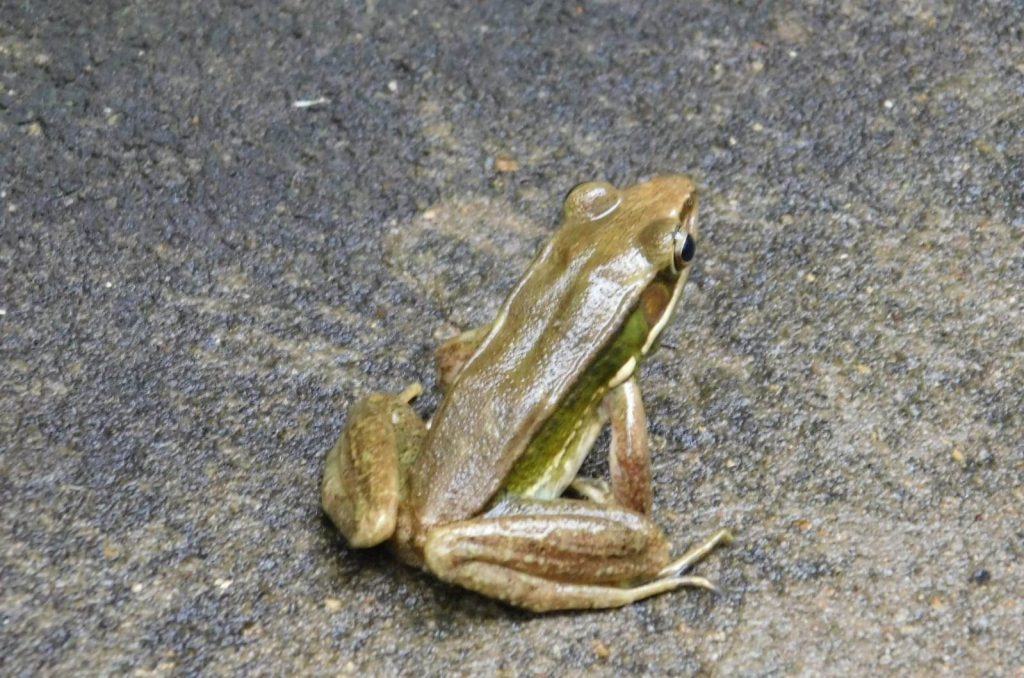
Shillong, Feb 15: The first-ever presence of the Humeral Frog (Humerana humeralis) in Meghalaya was recorded by a new research, making a significant addition to the state’s rich natural heritage.
Published in the 2026 edition of the Uttar Pradesh Journal of Zoology, the research reports the species from Nongkhyllem Wildlife Sanctuary and the adjoining Nongkhyllem Reserved Forest in Ri-Bhoi district.
The study was conducted by Shalomi Nongtdu and Prabal Sarkar of the University of Science & Technology Meghalaya, along with independent researcher Anindita Bhattacharya.
Seasonal field surveys documented 322 individual amphibians across forested landscapes and surrounding areas of the sanctuary.
Among them were seven adult Humeral Frogs — two males and five females — recorded between May and August at elevations ranging from 199 to 597 metres above sea level.
The discovery fills a crucial distribution gap between earlier records in Assam, Arunachal Pradesh and Bangladesh, officially placing Meghalaya on the species’ known range map for the first time.
Although globally listed as “Least Concern,” the species is reported to be in decline in parts of its range.
The Meghalaya population displayed clear sexual dimorphism, with females generally larger and more robust. Researchers also observed a well-developed tympanum (eardrum), sturdy limbs and physical adaptations suited to semi-aquatic, stream-edge environments.
Morphometric measurements closely matched earlier records from Northeast India and Bangladesh, confirming the species’ taxonomic identity while revealing minor regional variations.
Habitat analysis showed a strong preference for semi-evergreen forests, particularly shaded stream corridors and damp forest floors. While over half the sightings occurred in evergreen forests, habitat selectivity tests indicated a positive preference for semi-evergreen areas. Disturbed habitats such as deciduous forests and agricultural land were largely avoided.
The findings suggest the species depends heavily on perennial streams, marshy pools, riparian vegetation and stable, moisture-rich microhabitats.
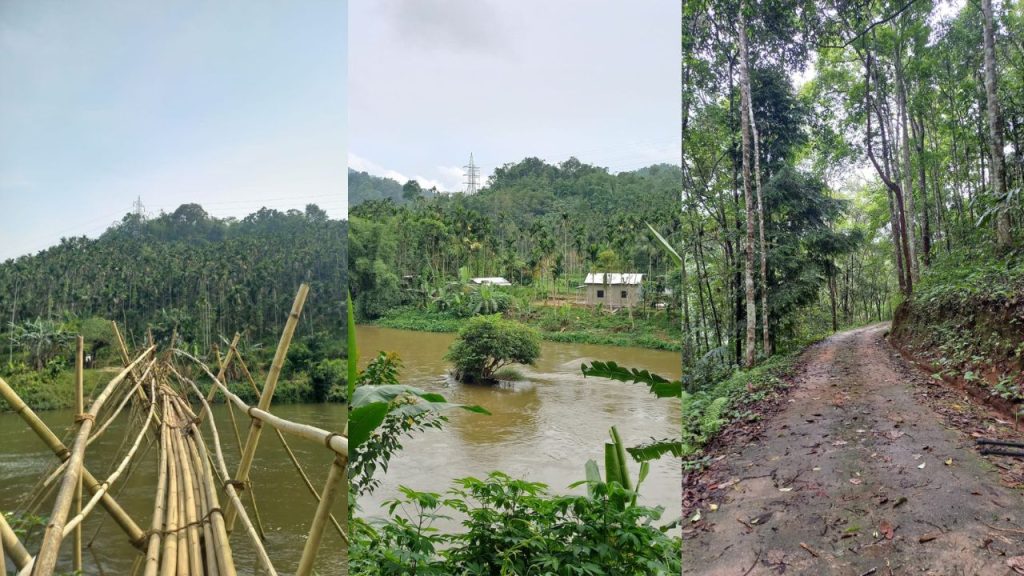
Researchers say the record highlights the ecological importance of Nongkhyllem Wildlife Sanctuary and adjoining forest patches. However, they caution that land-use change and increasing ecotourism pressure in reserved forest areas could threaten fragile amphibian habitats.
Amphibians are widely regarded as indicators of ecosystem health. The presence of the Humeral Frog suggests that Meghalaya’s forest-stream systems continue to support sensitive species — but sustained monitoring and habitat protection will be essential.
For Meghalaya, the discovery is more than a new species record. It is a reminder that the state’s forests continue to yield scientific surprises.