
By Satyabrat Borah
Cricket in the Indian subcontinent has always been more than just a sport. It carries the weight of history, identity, emotion, and sometimes the burdens of politics. For generations, fans across India, Pakistan, Bangladesh, and Sri Lanka have turned to the game as a rare space where rivalries could be fierce yet contained within the boundaries of a 22-yard pitch. Matches between these neighbors often felt like national conversations played out in sixes and wickets. Yet in recent years, that conversation has grown increasingly strained, interrupted by real-world tensions that refuse to stay off the field. India’s cricketing ties with its subcontinental neighbors are now caught in a troubling cycle where political compulsions dictate terms, and the sport itself seems held hostage.
The most enduring and visible example remains the relationship with Pakistan. The India-Pakistan rivalry is legendary, a clash that once drew millions to stadiums and television screens, turning ordinary days into national events. Bilateral series between the two sides have been absent since 2012-13, halted by security concerns and diplomatic standoffs following terror attacks. India maintains a firm policy: no bilateral cricket with Pakistan until cross-border terrorism ends. This has confined encounters to multi-nation tournaments organized by the Asian Cricket Council or the International Cricket Council, where participation becomes almost non-negotiable due to points, revenue, and the risk of forfeiting matches.
The Asia Cup 2025 brought this dynamic into sharp focus. Played amid heightened tensions following the tragic Pahalgam terror attack in April 2025, which claimed 26 lives, the tournament saw India and Pakistan face off multiple times, including in the final where India emerged victorious. Yet the joy of victory was overshadowed by off-field drama. Indian players declined handshakes with their Pakistani counterparts in several matches, and after lifting the trophy, they refused to collect it from the Asian Cricket Council chairman, Mohsin Naqvi, who also heads the Pakistan Cricket Board and holds a political position in Pakistan. The gesture, or lack of it, spoke volumes. Critics called it unnecessary posturing, while others saw it as a principled stand against normalization in the face of unresolved grievances.
West Indies all-rounder Jason Holder, reflecting on the episode, expressed discomfort, saying he did not like the “India-Pakistan beef” spilling into the game. He described the refusal to accept the trophy as “too much,” arguing that cricket could serve as a starting point for healing broader divides. Holder’s words highlight a growing sentiment among neutral observers: when politics intrudes so visibly, the spirit of the sport suffers. Pakistan’s fast bowler Shaheen Afridi, on the other hand, accused India of violating sportsmanship during those encounters and promised a strong response on the field in future clashes, such as the upcoming T20 World Cup 2026 match in Colombo. The rhetoric from both sides shows how quickly cricketing narratives become entangled with national pride and grievance.
Even as India-Pakistan ties remain frozen in a state of managed hostility, the sudden deterioration with Bangladesh has caught many by surprise. For decades, Bangladesh was seen as India’s closest ally in the region, a bond forged in the 1971 Liberation War where Indian support helped birth the nation. Cricket between the two flourished, with bilateral series, joint ventures, and Bangladeshi players thriving in the Indian Premier League. Yet the political upheaval in Bangladesh following the 2024 mass uprising that ousted Sheikh Hasina, who fled to India and received asylum there, changed everything. Hasina’s ouster, the subsequent violence against minorities including Hindus, and accusations from Dhaka that India exaggerated such incidents created a rift that deepened rapidly.
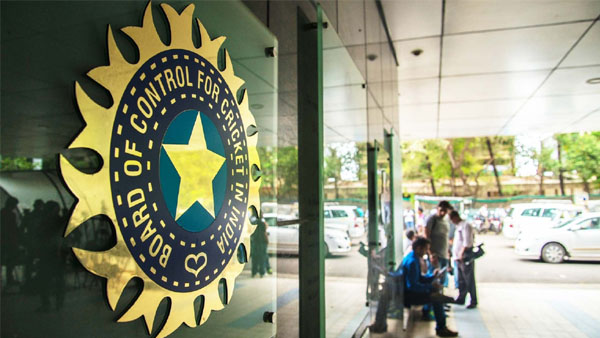
The breaking point in cricketing terms came in early 2026 with the case of Mustafizur Rahman. The talented Bangladeshi left-arm pacer was bought by Kolkata Knight Riders for a hefty sum in the IPL 2026 mini-auction. Soon after reports of violence against Hindus in Bangladesh surfaced, social media erupted with demands from some Indian groups that Mustafizur be dropped, questioning the patriotism of the franchise and its co-owner. The Board of Control for Cricket in India, responding to the pressure, instructed KKR to release him. The decision, taken amid amplified outrage online, was seen by many as premature. The IPL season was months away, and diplomatic channels might have allowed time for calmer heads to prevail.
Bangladesh reacted swiftly and strongly. The Bangladesh Cricket Board cited security concerns for its players and staff, refusing to travel to India for the T20 World Cup 2026, co-hosted by India and Sri Lanka starting in February. They requested that their matches be relocated, perhaps to Sri Lanka, similar to the arrangement already in place for Pakistan’s games. The interim government in Dhaka went further, banning IPL broadcasts in the country. Asif Nazrul, a sports adviser, declared that Bangladesh would no longer tolerate insults to its cricketers or its sovereignty. The episode underscored how fragile these ties had become. What began as a response to genuine concerns over minority safety in Bangladesh escalated into a sporting boycott, mirroring the political mistrust on both sides.
Sri Lanka, too, has not been entirely immune to these regional currents, though its cricketing relations with India remain relatively stable. The island nation often serves as a neutral ground in such disputes, hosting Pakistan’s matches in the T20 World Cup to avoid direct travel across tense borders. Yet the broader pattern is clear: cricket, once a bridge, is increasingly becoming collateral in geopolitical storms.
The main issue is that cricket in this part of the world is no longer insulated from politics. Social media amplifies every incident, turning isolated events into national controversies. Boards like the BCCI face immense pressure from public opinion, political figures, and even government directives. The BCCI has repeatedly stated that it follows the central government’s policy on international participation, especially in multi-nation events. Boycotting such tournaments risks financial losses, damaged relations with global bodies, and questions over future hosting rights. Sponsors, broadcasters, and the sheer economic weight of India-Pakistan clashes make complete avoidance difficult, even when emotions run high.
Yet the cost is evident. Fans lose the pure joy of the game. Players become unwitting symbols in larger narratives. And the subcontinent’s shared cricketing heritage, which could foster understanding, instead reflects division. The shrill reactions on both sides of borders, whether calls for boycotts or accusations of betrayal, drown out the possibility of dialogue. Sport should ideally rise above politics, offering moments of unity amid discord. In South Asia, it has often done the opposite.
Restoring balance will not be easy. It requires patience, restraint, and a recognition that cricket cannot solve political problems but should not be made to suffer for them. Leaders in the cricket boards, governments, and even the fans need to temper their responses, allowing time for diplomacy rather than rushing into confrontations. The T20 World Cup 2026 looms large, with its rearranged venues and fragile agreements. If handled with care, it could mark a small step toward de-escalation. If not, the free fall of these cricketing ties may continue, leaving the sport poorer and the region more divided.
Cricket deserves better than to be held hostage. It is, after all, the one thing that unites millions across these borders, even when everything else pulls them apart. The challenge now is to protect that unity before it is lost entirely.