
Unprotected heterosexual contact remains the main route of HIV transmission across Meghalaya
Shillong, Oct 2: Meghalaya’s HIV prevalence rate stands at 0.40%, twice the national average of 0.20%, with health officials pointing to changing transmission patterns in parts of the state as a growing concern.
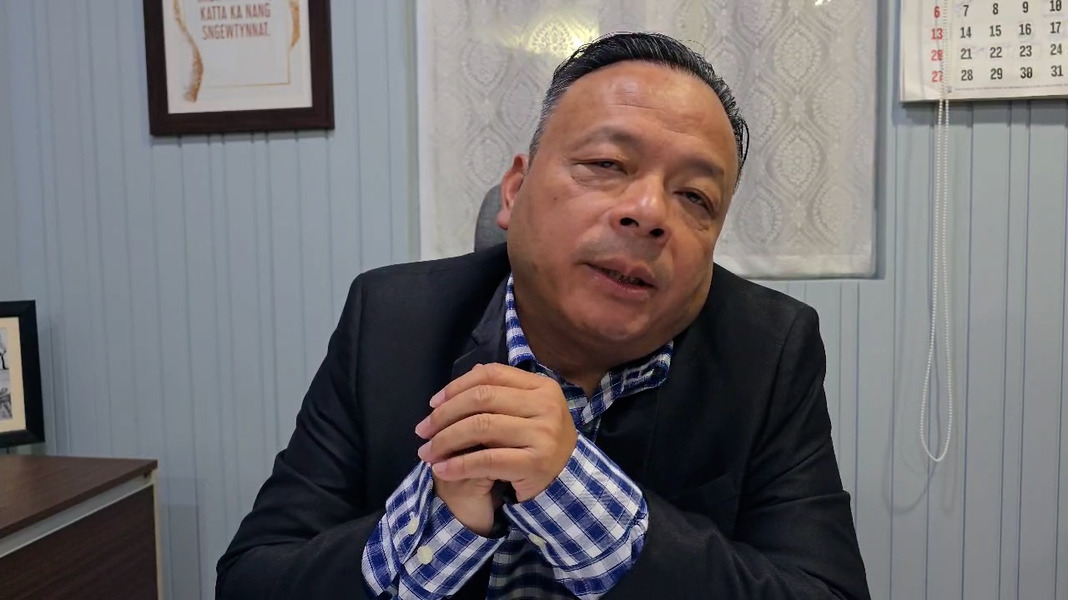
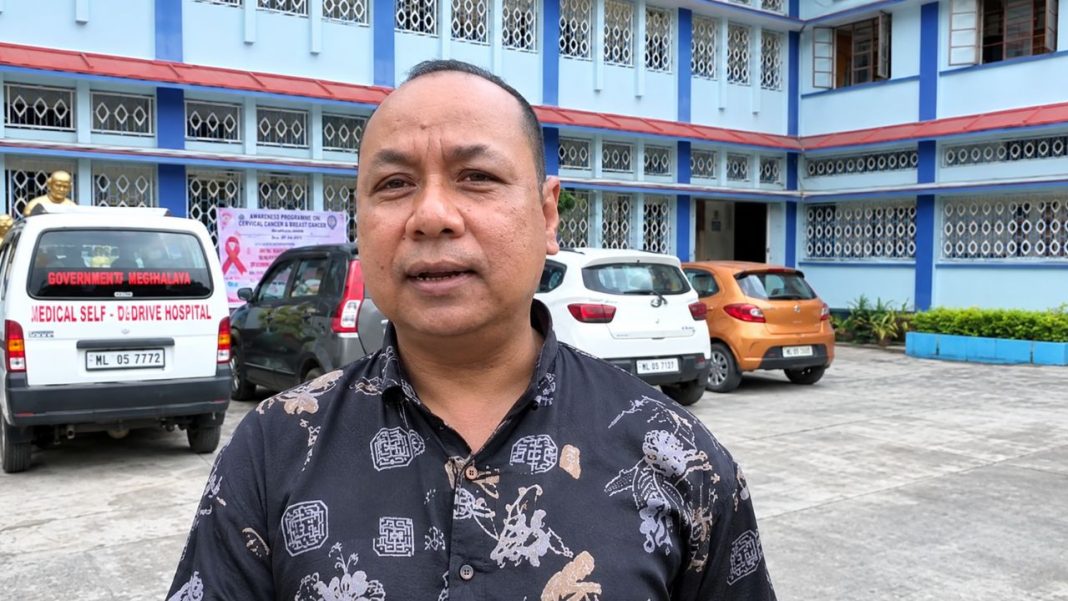
Dr Rajamoni R. Marak, In-Charge of the Integrated Counselling and Testing Centre (ICTC) at Tura Civil Hospital, shared the figures during an HIV/AIDS awareness initiative in Tura on Thursday.
He said while unprotected heterosexual contact remains the main route of HIV transmission across Meghalaya, the pattern differs across regions.

Why cases are rising in some regions
The Khasi Hills and Jaintia Hills, particularly East Khasi Hills and Jaintia Hills districts, currently report the highest number of HIV-positive cases in the state, according to health officials.
In the Garo Hills, however, health authorities have observed a shift in transmission patterns. Dr Marak said intravenous drug use emerged as the main transmission route in the region over the past year.
He also said Tura’s high case detection figures are partly linked to people from surrounding plain-belt areas travelling to the town for health screenings.
Health officials have also recorded cases among men who have sex with men (MSM) and intravenous drug users across Meghalaya.
The Garo Hills region was previously considered comparatively safer in terms of HIV prevalence. However, officials have warned that the recent upward trend could lead to a significant rise in infections if preventive measures and public awareness are not sustained.
Awareness, testing key to prevention
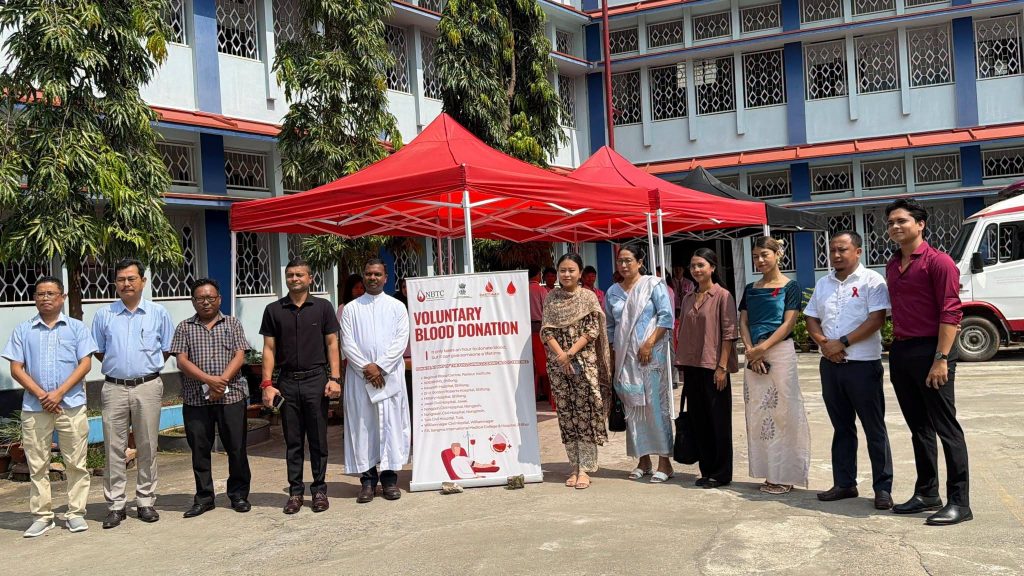
The Meghalaya AIDS Control Society (MACS) and the state Health Department are implementing intensified Information, Education and Communication (IEC) campaigns across urban and rural areas to address the spread of HIV/AIDS.
Dr Marak urged people, particularly young people, to learn about HIV/AIDS and rely on accurate information to counter myths and stigma surrounding the disease.
He stressed that early testing, awareness and preventive measures remain crucial in controlling HIV transmission and ensuring timely access to treatment.