
ROOPAK GOSWAMI
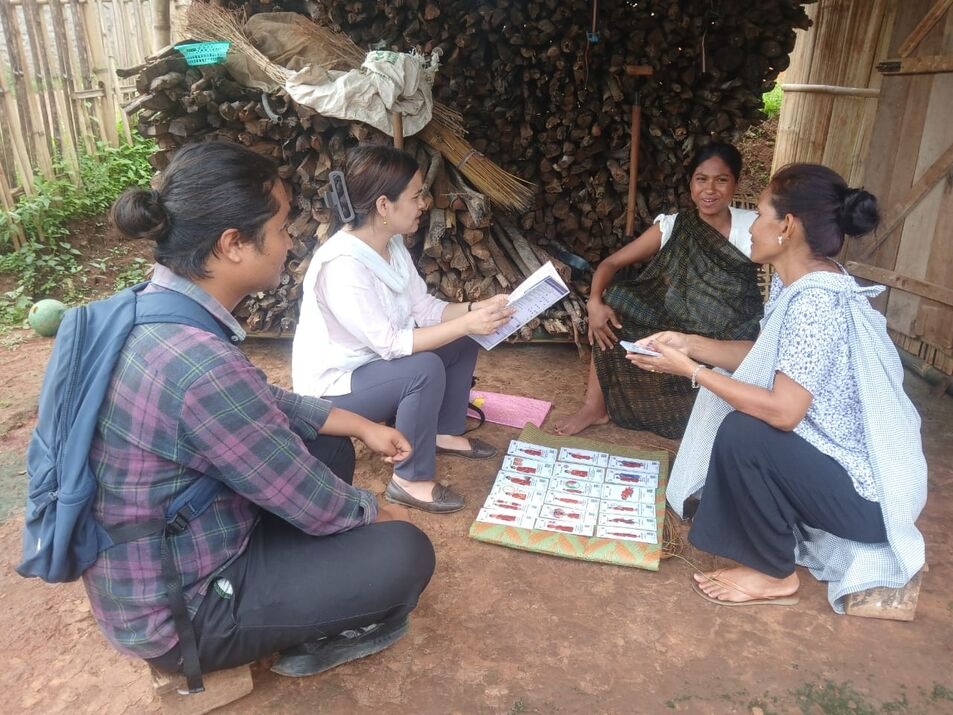
SHILONG, June 1: Imagine an ASHA worker sitting beside a pregnant woman in a remote village in Meghalaya, holding up a flashcard in Khasi. One by one, the cards help the woman identify symptoms that could signal danger during pregnancy — bleeding, swelling, dizziness, or severe pain. On the reverse side, the ASHA can instantly see what steps need to be taken next.
This is the Mama Alert Card in action — a community-designed maternal health tool now being used across Umling Block in Ri-Bhoi district to help frontline workers identify high-risk pregnancies early and respond faster.
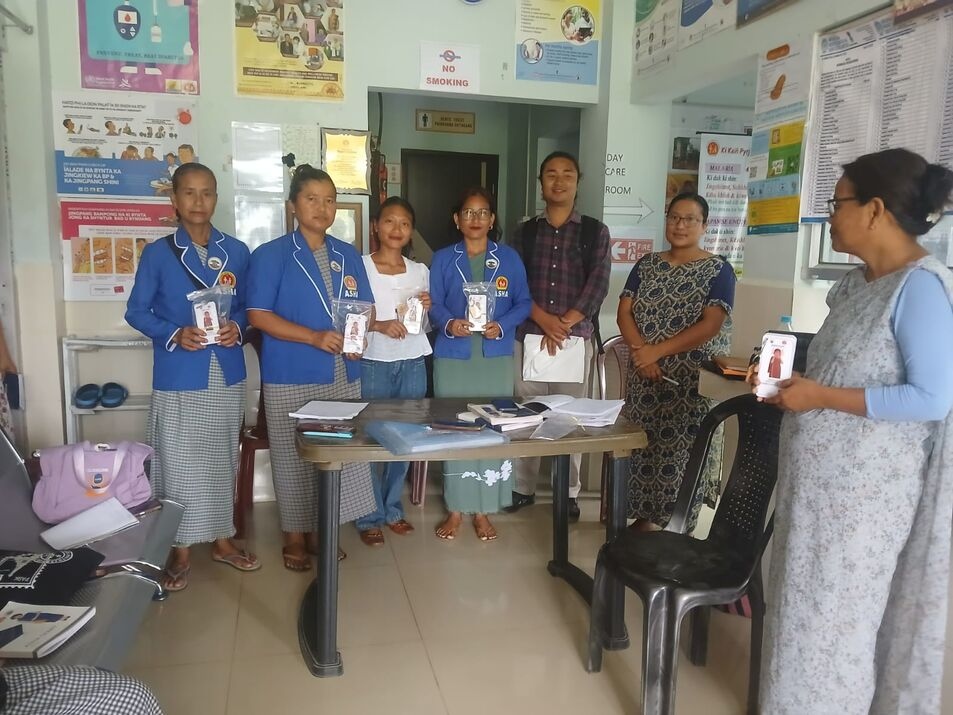
The Mama Alert Cards — a set of 26 Khasi-language flashcards developed for frontline health workers (ASHAs) — are currently being used across 60 villages and 16 health facilities under Phase II of the MNCH-HCD Programme of the National Health Mission (NHM), Meghalaya.
The intervention comes at a critical time for Umling Block, where high-risk pregnancy prevalence exceeds 45%, and many home deliveries still take place without a skilled birth attendant.
From Research to the Field
The cards emerged from months of community immersion, co-design workshops with ASHAs and pregnant women, repeated field testing, and state-level validation.
During the process, programme teams identified more than 26 behavioural barriers affecting maternal healthcare-seeking. These included delayed disclosure of pregnancy, the perception that early antenatal care is unnecessary, and limited awareness of pregnancy danger signs among both communities and frontline workers.
The Mama Alert Cards were designed specifically to bridge this gap between awareness and timely action.
How the Cards Work
During routine home visits, ASHAs use the flashcards to help pregnant women identify danger signs symptom by symptom. Each card is colour-coded according to risk severity — yellow, orange, or red — making it easier for both the worker and the woman to understand the urgency of the situation.
The reverse side provides immediate guidance for the ASHA, including referral pathways, CM-SMS details, and the state ambulance number, eliminating the need to search for information during critical moments.
“Earlier, I would visit and ask how she was feeling, but I didn’t always know what to look for. Now I have something in my hand that helps me ask the right questions. She can see it, I can see it, and we both understand what needs to happen next,” said an ASHA worker from Umling Block in Ri-Bhoi district.
The Data Behind the Intervention
The urgency behind the initiative is reflected in local health data.
According to HMIS figures from January 2024 to December 2025, Umling Block recorded 1,480 high-risk deliveries, while referral bottlenecks at the Primary Health Centre level stood at 90.8%. First-trimester antenatal care registration has remained between 50% and 60%, pointing to continuing gaps in early maternal health monitoring.
These findings helped shape both the design and targeting of the intervention.
“When she showed me the card, I recognised what I had been feeling for days. I didn’t know it was something serious. She told me we needed to go to the health facility that same day,” said a pregnant woman from Umling Block in Ri-Bhoi district.
Programme and Partners
The MNCH-HCD Programme is being implemented through a collaboration involving NHM Meghalaya, the State Health Systems Resource Centre (SHSRC) Meghalaya, UNICEF India, and Tattva Foundation, with Assam Don Bosco University and the Indian Institute of Technology Bombay serving as academic partners.
The initiative is supported by Blockchain for Impact (BFI) and its flagship platform, the India Health Collaborative Research Foundation (IHCRF).
Combining behavioural science, human-centred design, and convergence with existing government initiatives such as PMSMA, CM-SMS, and HBNC, the programme aims to strengthen maternal, newborn, and child health outcomes in two Aspirational Blocks of Meghalaya — Umling in Ri-Bhoi district and Amlarem in West Jaintia Hills district.
While the Mama Alert Cards are only one part of a broader intervention package, in the hands of an ASHA sitting beside a pregnant woman in a remote hill village, they may prove to be among the most impactful.