
ROOPAK GOSWAMI
Shillong, July 12: As India races to eliminate malaria by 2030, scientists are increasingly turning their attention to Meghalaya, where a series of recent studies are reshaping understanding of why the disease continues to persist despite a sharp nationwide decline in cases.
Researchers say the state’s forests, remote villages and changing ecology have made Meghalaya one of India’s most important natural laboratories for studying the “last mile” of malaria elimination. Their findings point to hidden infections, evolving mosquito behaviour and the growing influence of climate change—factors that could determine whether India achieves its elimination target.
For decades, Meghalaya has been among India’s malaria hotspots. Although the state has recorded a steep decline in malaria cases over the years, scientists say transmission has not been eliminated. Instead, it has retreated into small, hard-to-reach pockets, particularly in the Garo Hills.
A recent study found that malaria prevalence among patients reporting with fever in South Garo Hills remained as high as 12.3 per cent, far exceeding levels recorded in other districts surveyed. The findings suggest that while the overall burden has fallen, localized hotspots continue to sustain transmission.
The study also uncovered another challenge. People who spend long hours outdoors during the evening and early morning were significantly more likely to contract malaria, indicating that mosquitoes may increasingly be biting outside the hours when conventional control measures such as insecticide-treated bed nets offer maximum protection.
Hidden infections escaping routine surveillance
Researchers have also discovered what they describe as a “hidden reservoir” of malaria.
Several infections in Meghalaya were detected only through polymerase chain reaction (PCR), a highly sensitive molecular test capable of identifying extremely low levels of malaria parasites that often go undetected by routine microscopy or rapid diagnostic kits.
An earlier community-based survey in the state reached a similar conclusion, with most Plasmodium infections detected only through PCR. Scientists say these hidden infections may silently sustain malaria transmission even when conventional surveillance suggests the disease is under control.
The findings raise important questions about whether existing surveillance systems are sufficient for the final phase of malaria elimination.
New mosquito species under the spotlight
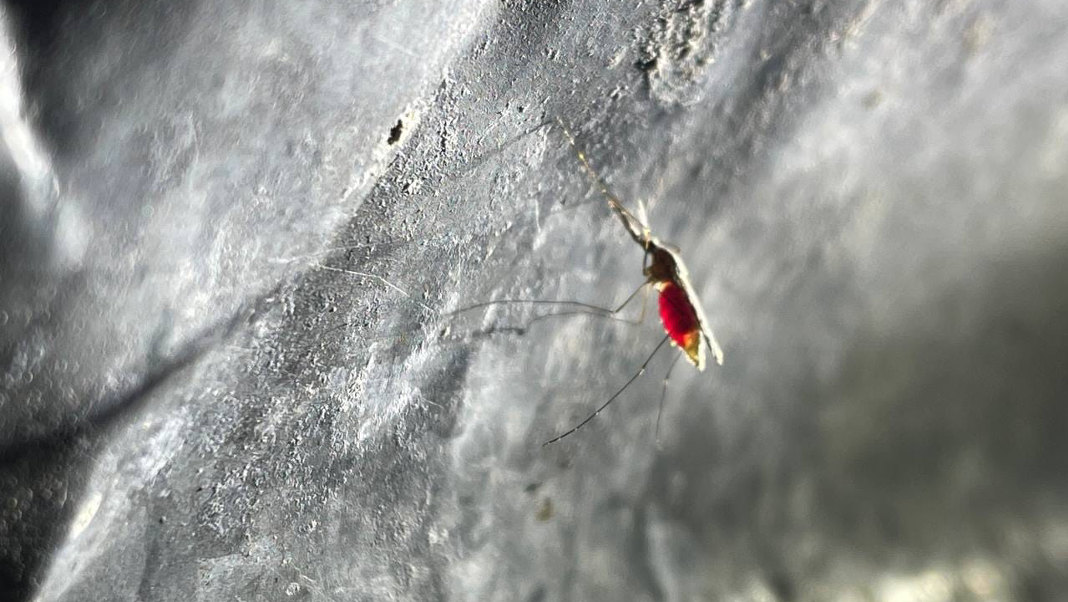
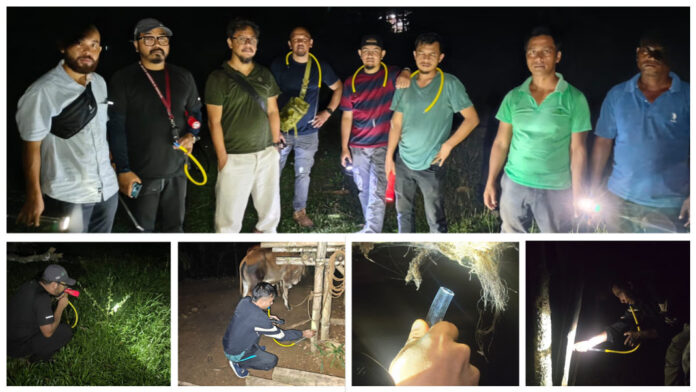
Perhaps the biggest surprise has come from studies of the mosquitoes themselves.
For decades, malaria control programmes in Meghalaya focused primarily on two mosquito species—Anopheles minimus and Anopheles baimaii—long recognised as the state’s principal malaria vectors.
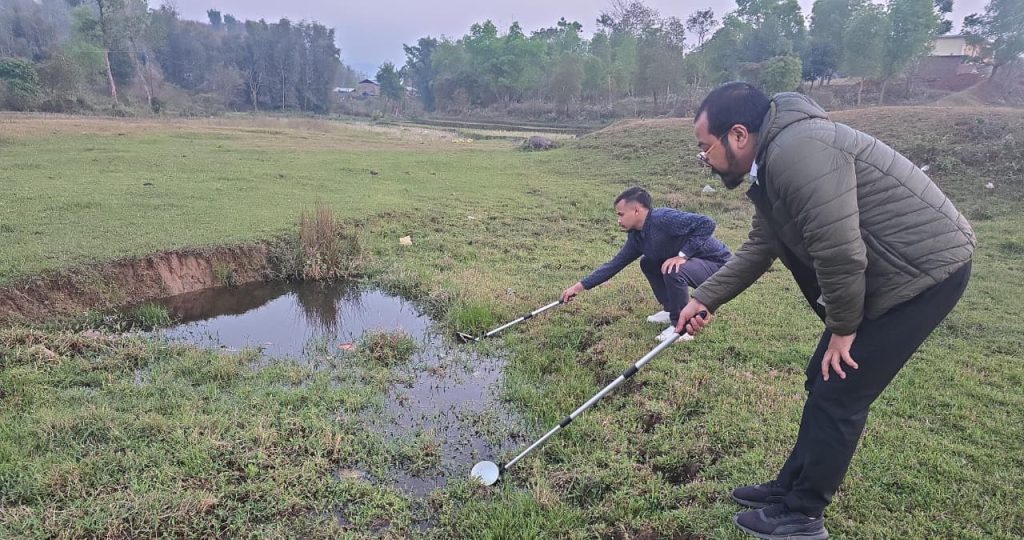
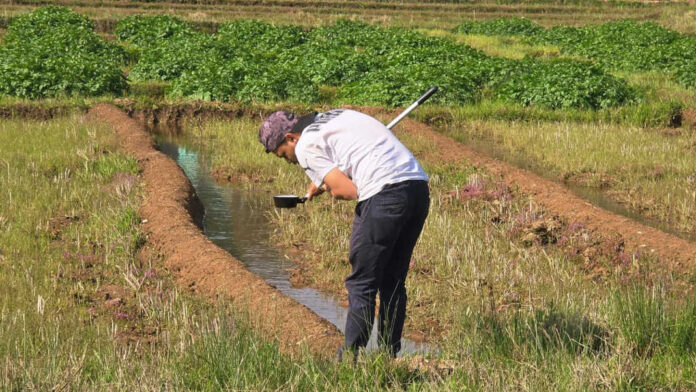
However, a recently published study has identified molecular evidence that two additional species—Anopheles maculatus and Anopheles pseudowillmori—are highly prevalent in malaria-endemic areas of Meghalaya.
Researchers believe these mosquitoes may also be contributing to malaria transmission, either independently or alongside the traditionally recognised vectors.
Scientists suspect that changes in land use, including forest clearance and expansion of rice cultivation, may have altered mosquito habitats and reshaped malaria transmission dynamics across the state.
Climate change adds another layer of risk
Researchers warn that climate change could make malaria elimination even more challenging.
Rising temperatures and shifting rainfall patterns are expected to influence mosquito breeding, survival and distribution. Health officials in Meghalaya have previously linked unusually warm conditions and cross-border movement with periodic increases in malaria cases, particularly in South Garo Hills, which shares a porous international border with Bangladesh.
These changing environmental conditions could create new habitats for malaria vectors and prolong transmission seasons in vulnerable areas.
The challenge of reaching the last mile
Scientists say Meghalaya also highlights one of the biggest obstacles to malaria elimination—ensuring timely diagnosis and treatment in remote communities.
Dense forests, rugged terrain and limited healthcare access can delay diagnosis, allowing infected individuals to continue transmitting the parasite unnoticed.
Studies examining community perceptions of malaria have found that although awareness about the disease is generally high, barriers to healthcare access and treatment-seeking behaviour continue to hamper elimination efforts.
Why Meghalaya matters
Historically, Northeast India has contributed a disproportionately large share of India’s malaria burden. Public health experts believe understanding why malaria continues to persist in Meghalaya could provide valuable lessons for tackling residual transmission elsewhere in the country.
The state’s unique combination of changing mosquito populations, hidden parasite reservoirs, climatic shifts and difficult terrain presents challenges that are increasingly relevant to malaria elimination programmes across Asia.
What scientists are learning in Meghalaya could ultimately shape malaria control strategies far beyond the Northeast. As India enters the final stretch of its campaign to eliminate malaria by 2030, the state’s forests, border villages and evolving ecosystems may hold some of the most important clues to defeating one of the world’s oldest diseases.