
ROOPAK GOSWAMI
Nongpoh, Feb 12: On my way from Guwahati to Shillong, I found myself searching for a place to drink Meghalaya tea. Not Assam tea — the bold, brisk brew the world already knows — but tea grown in Meghalaya.
A few roadside inquiries led me to the Tea Development Centre at Umsning. What began as a casual question along the highway soon turned into an unexpected discovery.
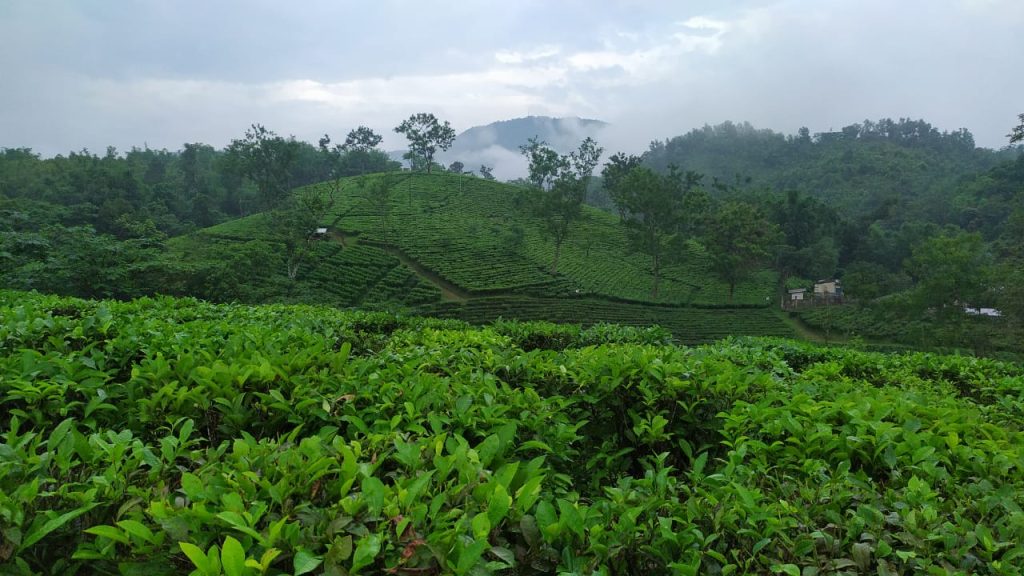
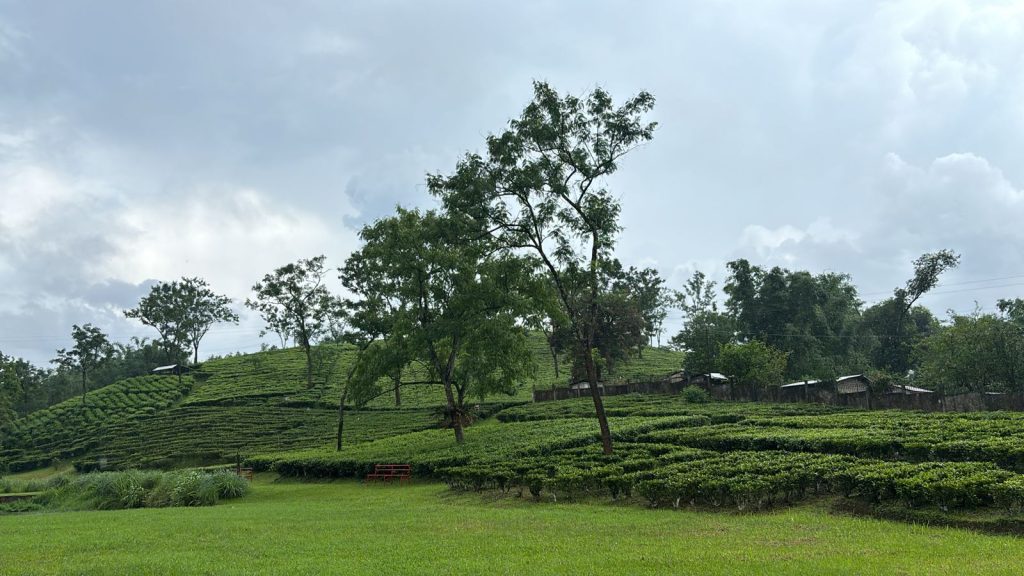
Managed by the Department of Agriculture, Government of Meghalaya, the Tea Development Centre sits amid rolling hills and carefully maintained tea sections. The campus presents more than an institutional facility — it signals intent.
For decades, the global perception of tea from the Northeast has centred on Assam. Meghalaya’s tea carries a different profile — gentler, often aromatic and sometimes floral, shaped by mist, rainfall and elevation.
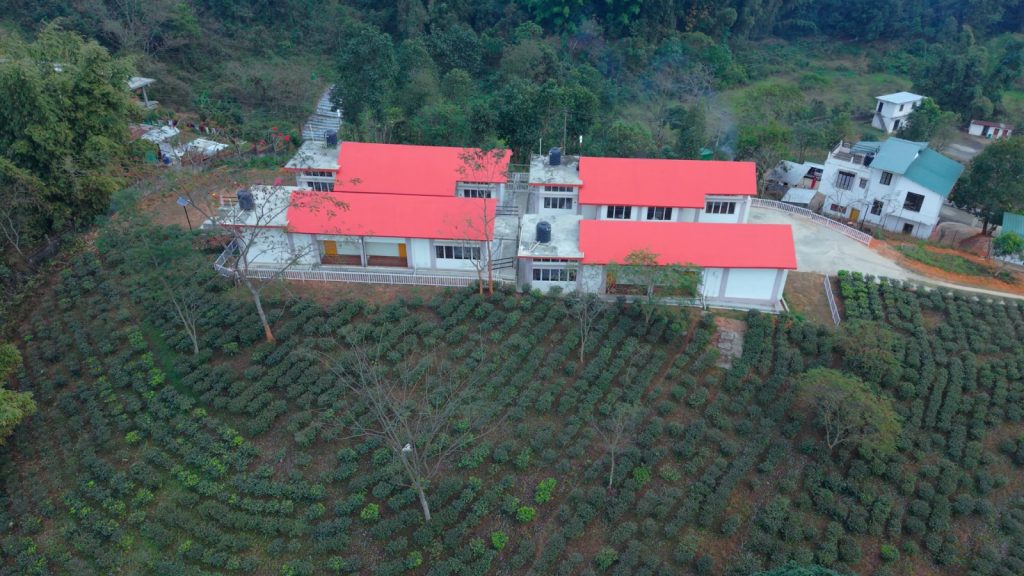
Curiosity led me inside. What I encountered was not merely orderly tea bushes but an evolving tea tourism model. The campus has been developed to welcome visitors — not just as buyers, but as participants in Meghalaya’s tea journey.
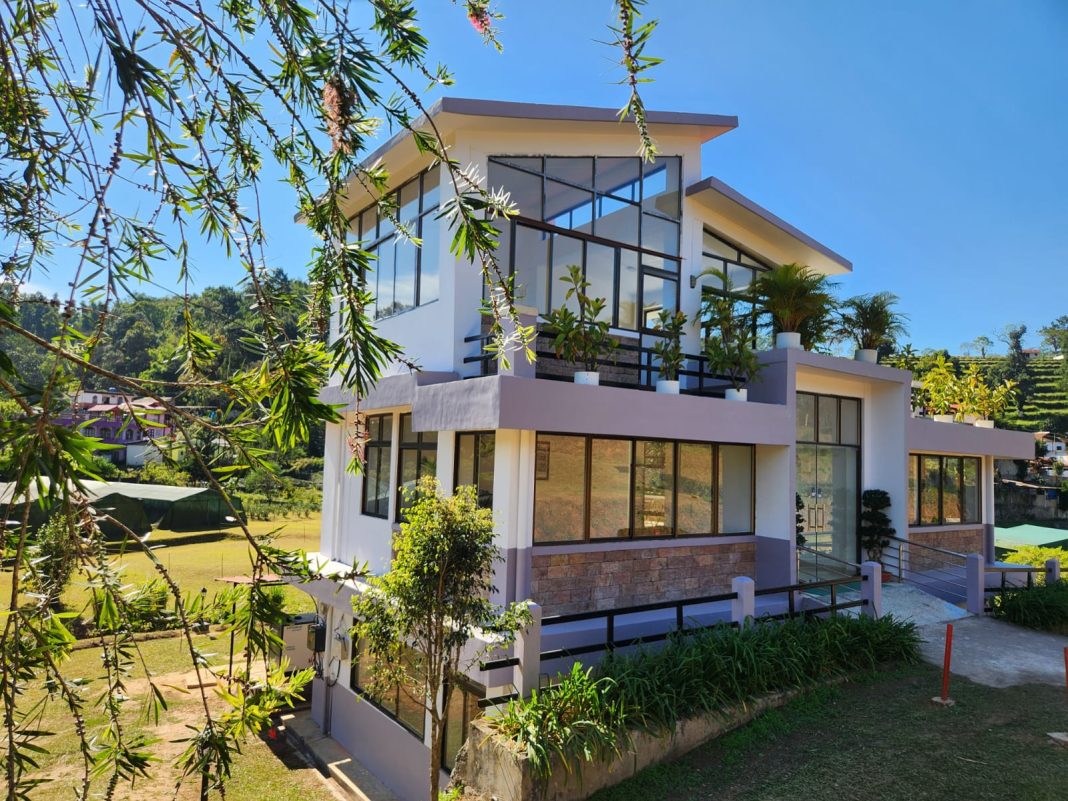
A staff member offered to show me around. The tour revealed a tea boutique showcasing locally produced teas, cottages for overnight stays, and even a mini-golf course — an imaginative addition that hints at a broader tourism vision.
Inside the factory, I noticed what may well be one of the smallest operational CTC (Crush–Tear–Curl) machines in the country. Unlike the high-volume units common in large estates, this compact setup is designed for small-batch processing — enabling training, quality trials and experimentation. For a state where tea cultivation is still expanding, such scaled-down infrastructure allows growers to understand leaf behaviour and refine processing techniques before moving to commercial volumes.
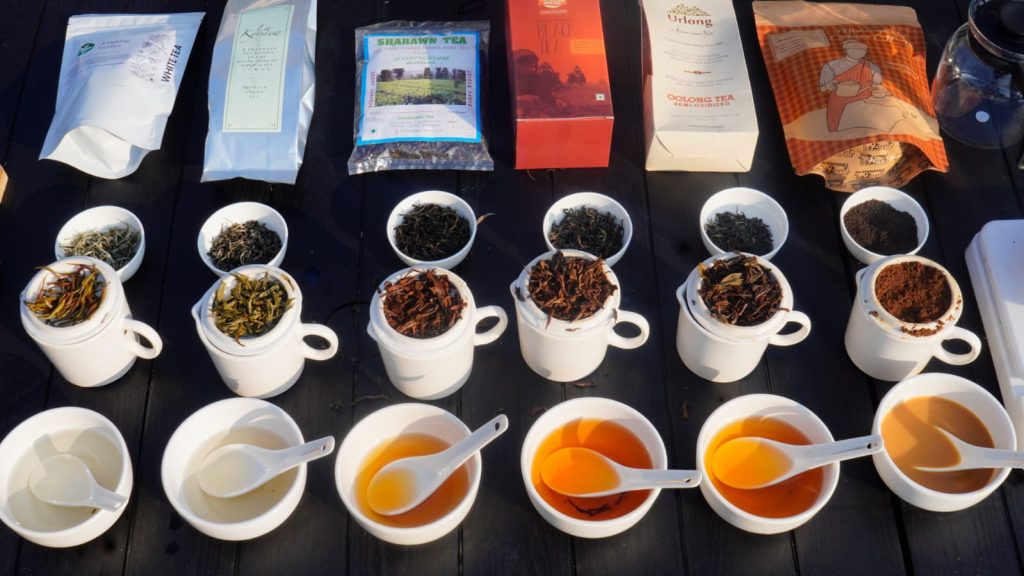
Unlike the sprawling estates of neighbouring Assam, Meghalaya’s tea landscape is shaped largely by small growers and emerging entrepreneurs. Supported by state initiatives, cultivation has gradually expanded across districts, with the emphasis appearing to be on quality and differentiation rather than scale.
What began as a search for a cup of Meghalaya tea ended up offering a glimpse of a region steadily shaping its own tea identity. If Assam represents strength in a cup, Meghalaya offers nuance.
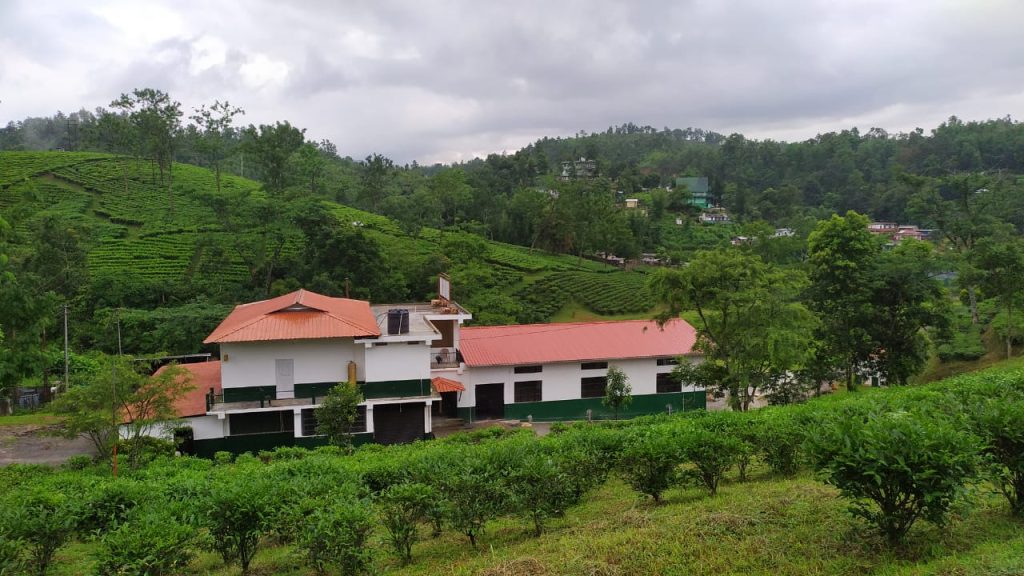
And as more travellers stop at Umsning, the kettle may increasingly steep Meghalaya tea — not as an alternative, but as a destination in itself.