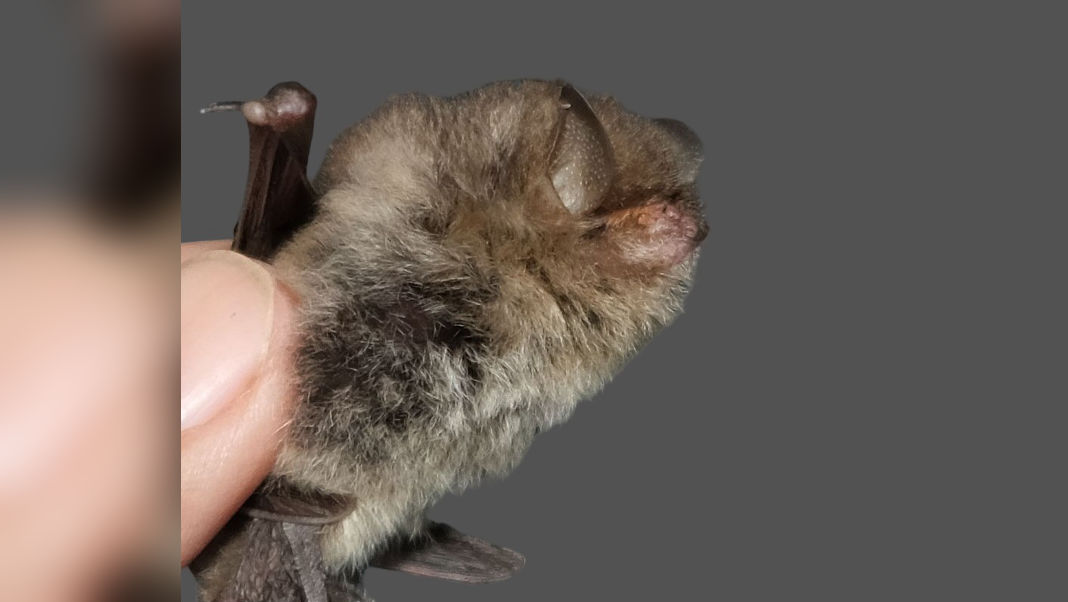

Meghalaya — despite covering just 0.67 per cent of India’s geographical area — supports nearly half of the country’s bat diversity.
Shillong, March 26: Bat populations across North East – from the limestone caves of Meghalaya to the forests of Arunachal Pradesh – have come under intense pressure as development, extraction, and traditional practices reshape fragile ecosystems.
A new threat assessment in the State of India’s Bats (2024–2025) report identifies habitat loss, mining, hunting, and agricultural change as key risks across the region. The findings were presented during the report’s release on March 25 at an event hosted by the Zoological Survey of India’s North Eastern Regional Centre (NERC) in Shillong, in collaboration with the Nature Conservation Foundation and Bat Conservation International.
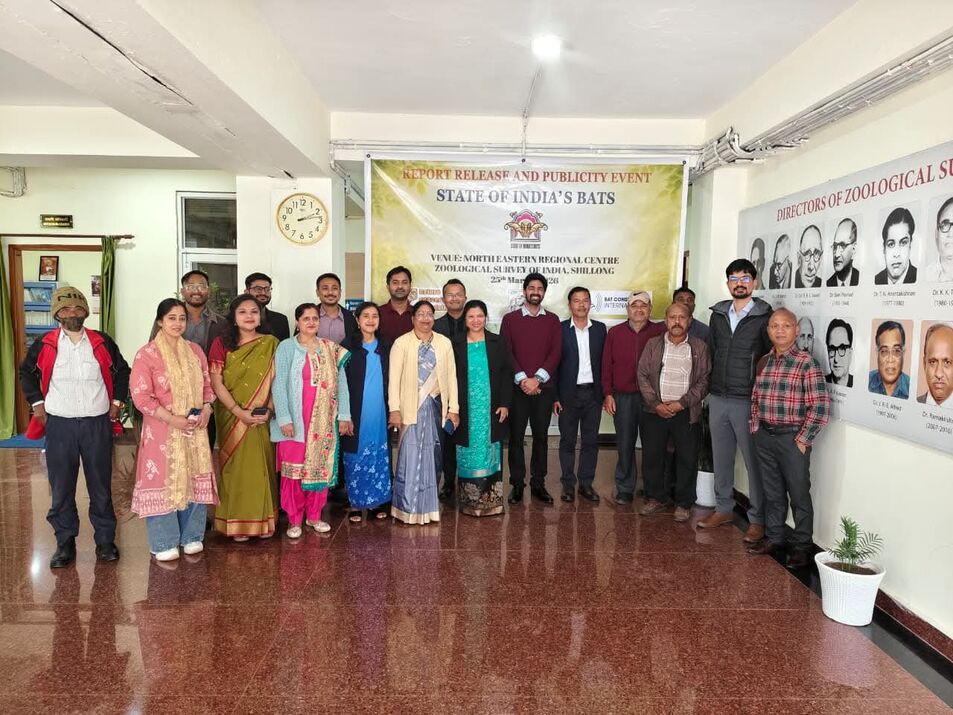
Prepared by 34 researchers from 27 institutions, the report brought together around 70 participants, including scientists, forest officials, policymakers, students, and community members. It identifies Meghalaya as a critical bat biodiversity hotspot, while warning that its limestone cave ecosystems—vital roosting habitats—are under increasing pressure from mining, disturbance, and land-use change.
The report was released by Principal Secretary to Governor H.C. Chaudhary, who described bats as “the most mysterious species”—active in darkness, largely unnoticed, yet ecologically indispensable.
He highlighted their role in pollination and natural waste management, noting that their contribution to soil fertility through nutrient-rich manure remains widely underappreciated.
Addressing persistent misconceptions, Chaudhary said there is no conclusive evidence linking bats directly to COVID-19, cautioning that such stigma continues to undermine conservation efforts.
He also underscored the region’s ecological significance, noting that Meghalaya—despite covering just 0.67 per cent of India’s geographical area—supports nearly half of the country’s bat diversity.
That contrast between ecological importance and conservation neglect was echoed by India Bat Project Manager, Rohit Chakravarty. “There are so many bats to conserve in India and so few people working on the ground,” he said, adding that bats remain underrepresented in the country’s broader conservation priorities.
The report outlines a 10-year roadmap for bat research and conservation, with a strong focus on the Northeast—a region Chakravarty described as “really understudied,” yet rich in potential for ecological and disease-related research. He also flagged pollution as an emerging but largely unexplored threat to bat populations in India.
Building on this, Uttam Saikia, who has conducted extensive research on bats in Northeast India pointed to a deeper structural gap: the lack of focus on taxonomy. “Research interest in bat taxonomy in India remains low, partly due to the misconception that it is a dull subject, but more importantly due to limited funding,” he said, stressing the need to link taxonomy with public health and economic relevance.
At a time when biodiversity documentation is becoming increasingly urgent, Saikia emphasised the need for capacity building in taxonomic research. Despite financial constraints, he added, efforts to understand the true diversity and distribution of India’s bat species must continue.
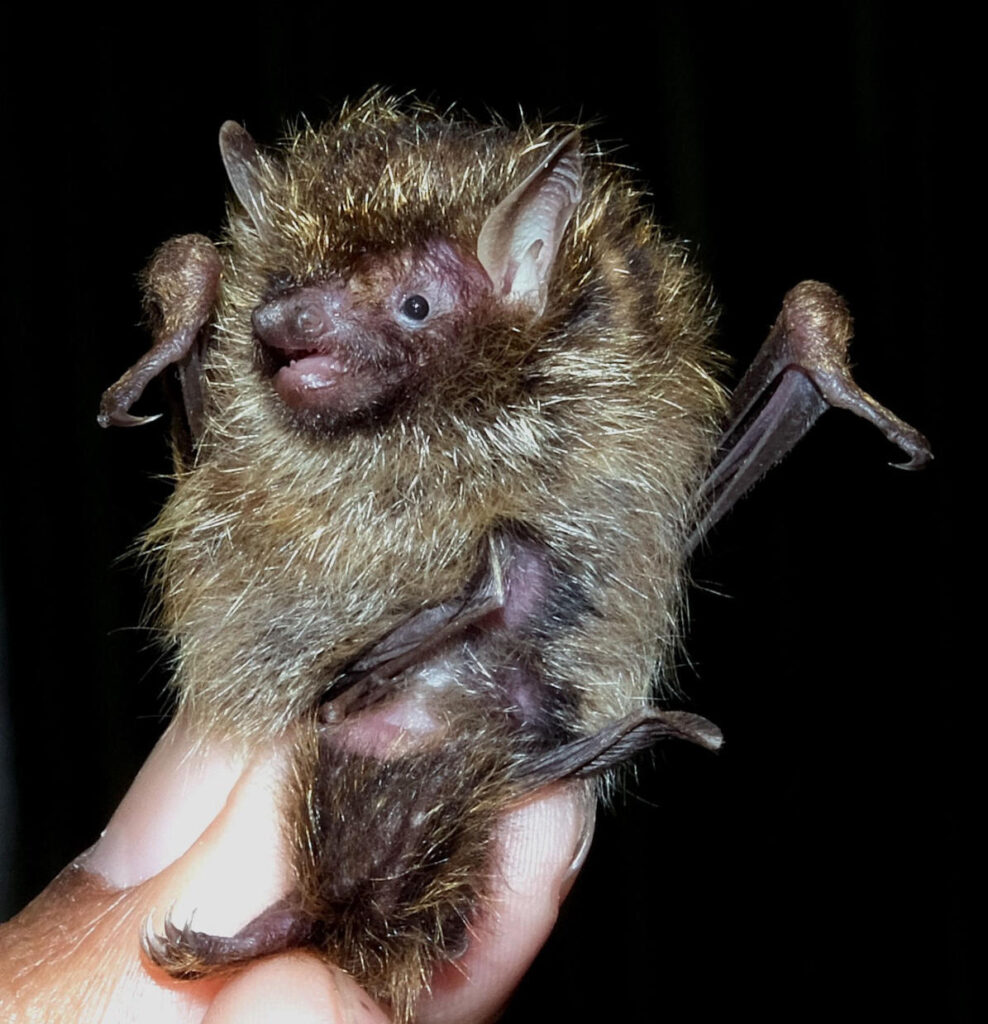
On the ground, however, pressures are already visible. Unplanned urban expansion—through tree felling, land conversion, and settlement growth—is erasing long-established roosting sites. In Assam’s Dulalgram, for instance, a colony of more than 1,000 Indian flying foxes abandoned its roost after trees were cleared, despite attempts to protect the area.
Mining remains another major threat, particularly in Assam and Meghalaya. Sand mining, coal extraction, and limestone quarrying are degrading habitats and damaging cave systems that many bats depend on. The use of explosives can directly kill bats or drive them away, while associated pollution contaminates water and food sources.
Hunting continues in parts of the region, often rooted in long-standing traditions. In Nagaland, bats are smoked out of caves during community hunts, while in Arunachal Pradesh similar practices have historically led to mass killings. What has changed, however, is the scale—with hunters now reporting significantly fewer bats than in the past.
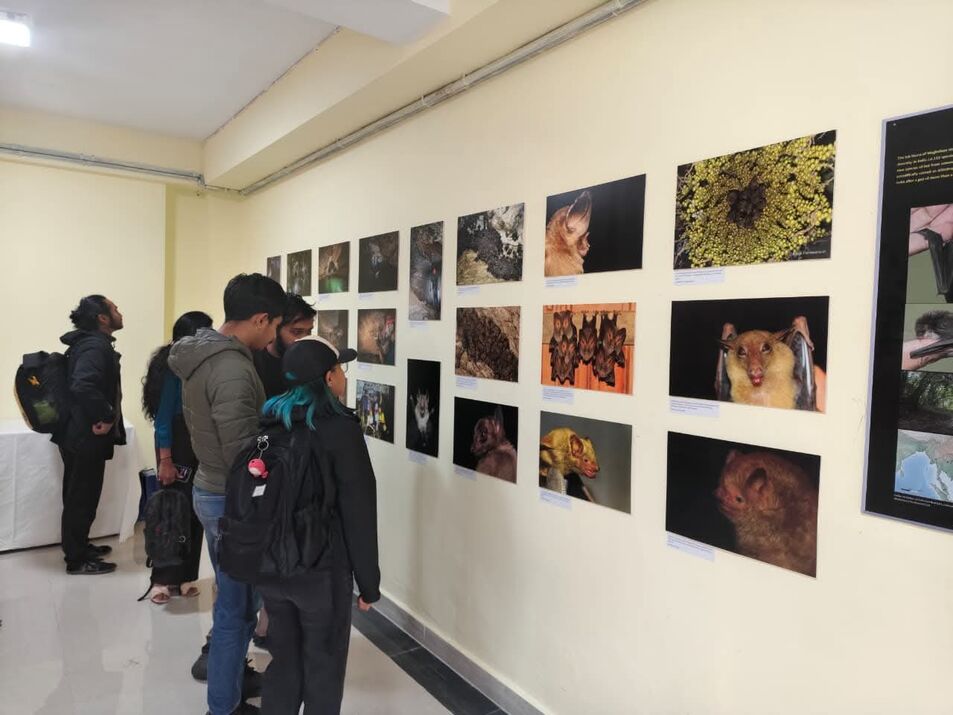
Agricultural intensification is adding further strain. Heavy pesticide use—particularly in Assam’s tea-growing areas—likely affects insectivorous bats, while monoculture plantations such as palm oil, rubber, and betel nut are shrinking both foraging and roosting habitats. Around Meghalaya’s Siju Cave, such land-use changes are already believed to be impacting local bat populations.
Despite these warning signs, significant knowledge gaps remain. Large parts of the Northeast are still understudied, with limited long-term data on how bat populations are responding to rapid environmental change.
For now, the message from researchers is clear: across Northeast India, bats are losing both habitat and security—and much of that decline is unfolding quietly.