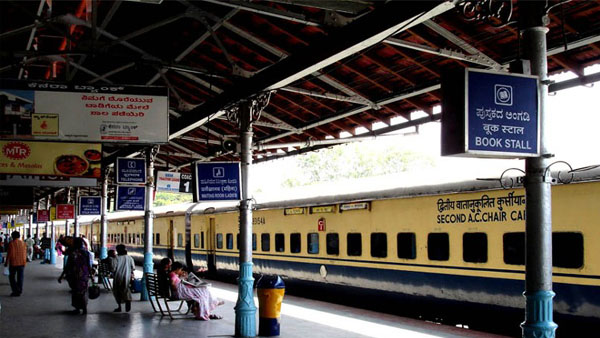

New Delhi, Jan 12 : The Indian Railways has told the Central Information Commission (CIC) that its methodology for calculating passenger train fares is a matter of “trade secret” and commercial confidence and, therefore, it cannot be disclosed under the Right to Information (RTI) Act.
The observation came while the CIC dismissed an application seeking detailed information on the base fare calculation mechanism, including dynamic pricing and the impact of Tatkal bookings, for train tickets and for a specific service, the Paschim Superfast Express.
In its reply accessed by PTI, the Railway Board said fare charging is class-based and variations arise due to facilities provided in different classes.
However, it maintained that the “in so far as classification and methodology of fare fixation of different classes is concerned, the policy mechanism falls in the domain of trade secret/ intellectual property rights” and is exempt from disclosure under Section 8 of the RTI Act.
Section 8 of the RTI Act lists exemptions for information that does not have to be disclosed, protecting sensitive data like national security, trade secrets and personal privacy.
Railway officials also cited earlier CIC orders that had upheld the non-disclosure of pricing methodology, arguing that the Indian Railways functions as a commercial utility while also discharging social obligations in the national interest.
“It is a known fact that the Indian Railways are run as a Commercial utility and at the same time it being an instrumentality of State are required to discharge various social obligations in National interest,” the Railways said.
The Railway Board Chief Public Information Officer (CPIO) added that the disclosure of detailed pricing mechanisms was not justified in public interest.
“Disclosure of pricing related information is not justified in public interest, as profit, if any, is distributed/transferred to common man and is not retained for the benefit of personal gain as in the case of private enterprise,” it said.
The Commission noted that the public information officer had already provided all disclosable information and general principles of railway rating policies, and was not required to create or interpret data beyond available records.
Finding no infirmity in the reply and noting the appellant’s absence during the hearing, Information Commissioner Swagat Das said no further intervention was required and disposed of the appeal. (PTI)