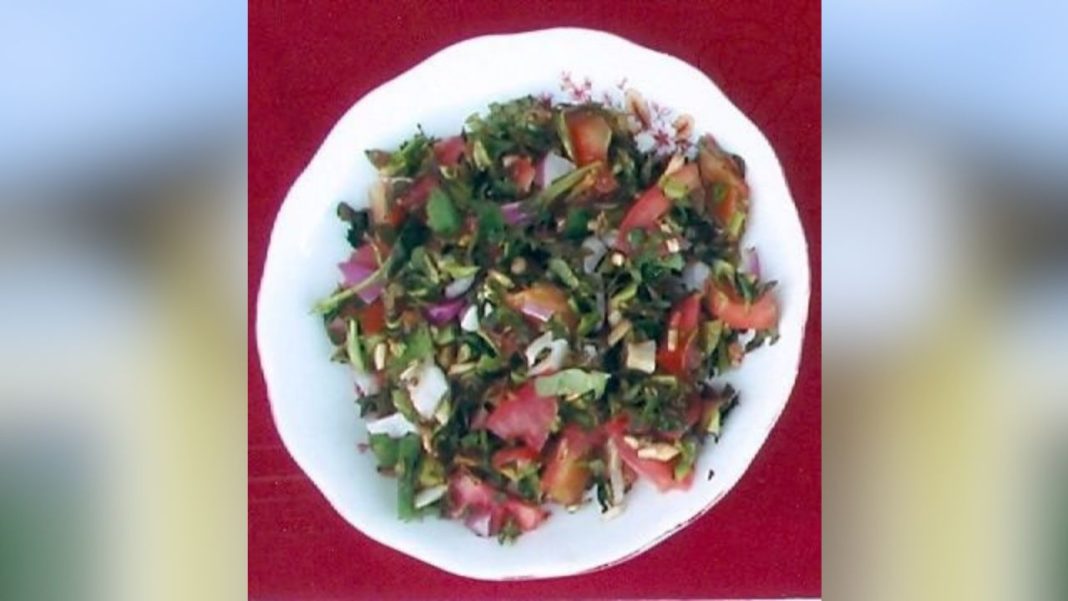

The study notes that foods such as jamyrdoh, jaut and khlein syiar, once important parts of the Khasi diet, are gradually being displaced by commercially available snacks and convenience foods.
ROOPAK GOSWAMI
Shillong, Oct 11: The changing food habits of young people in Shillong are beginning to raise questions beyond taste and lifestyle, with a new study pointing to a worrying gap between what Khasi youth eat and what they understand about the health risks of modern diets.
A study by Mandari Mary Blah of the Department of Home Science, St Mary’s College, Meghalaya, found that commercial fast food has gained a strong foothold among Khasi college students, while traditional foods are losing their place in everyday life.
The findings are particularly striking because many of those surveyed did not regard fast food as a serious health threat.
Published in the October 2026 issue of the International Journal of Community Medicine and Public Health, the study examined the food preferences and perceptions of 150 male and 150 female Khasi students aged between 18 and 24 years.
Blah’s study also examined clinical data from East Khasi Hills, providing a broader picture of metabolic health in the district.
From traditional food to the fast-food counter
For generations, Khasi diets have drawn heavily on locally available foods, including vegetables, wild edible plants, indigenous fruits, fermented foods, fish, meat and unpolished rice.
The study notes that foods such as jamyrdoh, jaut and khlein syiar, once important parts of the Khasi diet, are gradually being displaced by commercially available snacks and convenience foods.
The change is closely linked to Shillong’s expanding dining-out culture and the proliferation of commercial food outlets, the study says.
Taste is emerging as a powerful factor
Both male and female participants tended to agree that fast food tastes better than traditional food, while male participants showed a significantly stronger preference for fast food over traditional meals.
For a city where eating out has become an increasingly visible part of urban life, the findings highlight a challenge for public health authorities: traditional food may be nutritionally valuable, but it is competing against food marketed as convenient, affordable and appealing to young consumers.

The worrying perception gap
The study found that 35.33% of male participants and 31.33% of female participants agreed that fast food does not pose significant long-term health risks.
There was also considerable uncertainty about the scientific evidence behind warnings on fast-food consumption.
More than half of the female participants, or 50.67%, were undecided about whether scientific evidence demonstrated harmful physiological effects of fast food. Among male participants, 31.33% were undecided.
The study suggests that marketing, affordability, convenience and the social appeal of fast food may be competing with health messages reaching young people.
The findings raise questions about how effectively nutritional awareness programmes are reaching college-going youth, particularly as eating habits change alongside urban lifestyles.
75,673 patient records examined
The dietary findings become more significant when viewed alongside the health data examined by Blah.
The study analysed 75,673 patient records from the East Khasi Hills district’s non-communicable disease (NCD) system and public healthcare facilities covering the 2019–2022 period.
It found that 4.04% of the records involved diabetes and 8.23% involved hypertension.
The study points to a substantial metabolic health burden in the district
However, it does not establish that fast-food consumption caused diabetes or hypertension among the patients. The dietary survey and clinical dataset are separate components of the research, and the figures should not be interpreted as evidence of a direct link between fast-food consumption and these conditions.
The researchers instead highlight a wider concern: dietary and lifestyle habits established during youth could influence metabolic health later in life.
The study cites earlier regional research in which diabetes was concentrated heavily among older urban Khasi people. The authors argue that metabolic health concerns warrant greater attention to food habits and lifestyles during adolescence and early adulthood.
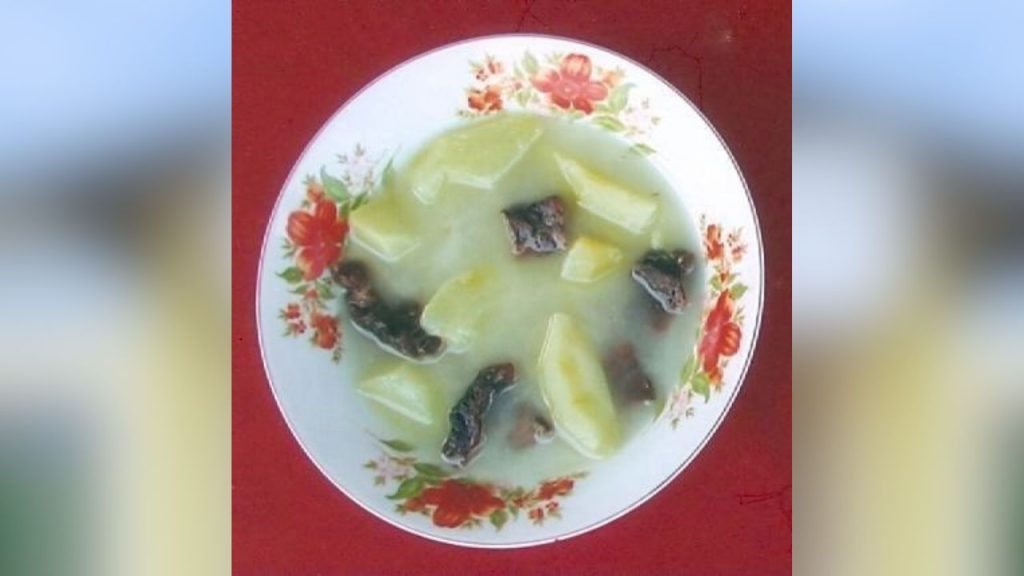
What could Meghalaya lose?
For Blah, the issue is not simply whether young Khasi people are eating burgers, fried snacks or other commercial foods. It is also about the gradual erosion of knowledge about local food and its nutritional value.
Traditional Khasi cuisine draws on locally sourced ingredients, including wild edible plants, vegetables, fruits, fermented foods, fresh meat and fish. These food practices reflect generations of knowledge about local ingredients and their preparation.
As such foods disappear from regular diets, an important part of Meghalaya’s culinary heritage could disappear with them.
Blah said preserving traditional Khasi dietary practices was important both for promoting long-term health and safeguarding cultural heritage.
She also highlighted the rising burden of metabolic disorders, including diabetes and hypertension, underscoring the need to examine changing dietary patterns and their potential implications for population health.
In this context, she emphasised the importance of balancing changing food preferences with the nutritional benefits of traditional dietary practices.
Encouraging healthier eating habits while preserving traditional food knowledge, she said, could help ensure that Khasi culinary traditions are passed on to future generations.
The study calls for stronger nutrition interventions in schools and colleges and greater efforts to preserve traditional dietary knowledge.
The challenge, however, is not simply to persuade young people to abandon fast food. It is also to make traditional foods relevant and appealing to a generation increasingly drawn to convenience and changing tastes.
What the study does not tell us
The findings also have limitations.
The survey relied on self-reported responses and did not measure participants’ body mass index (BMI), waist-to-hip ratios or blood lipid profiles. It was restricted to college-going Khasi youth in an urban setting, meaning the findings cannot automatically be extended to rural Khasi communities or Meghalaya’s wider population.
Nor does the research establish that the shift towards fast food has directly contributed to the diabetes and hypertension recorded in the district’s clinical data.
Nevertheless, the study highlights an important question for a state experiencing changing food preferences and growing urbanisation: how can public health initiatives encourage healthier diets without allowing traditional food knowledge to fade?
As Shillong becomes a city of cafés, fast-food outlets and eating on the go, what happens to the traditional foods that once formed the everyday Khasi diet—and could losing them also mean losing an important part of the region’s nutritional and cultural heritage?