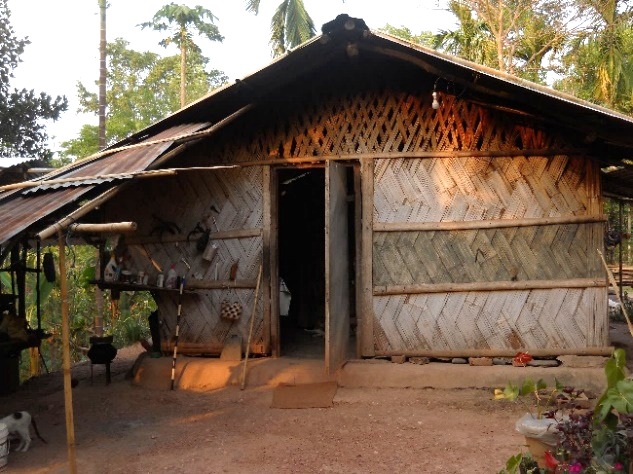

The researchers identified charred plant fragments, charcoal and other changes in the soil associated with burning.
ROOPAK GOSWAMI
SHILLONG, Oct 25: Everyday activities such as living, cooking, farming, animal rearing and waste disposal leave identifiable markers in the soil, which could help archaeologists understand how people lived in the past, a new study in Garo Hills has found.
The study, published online in the journal
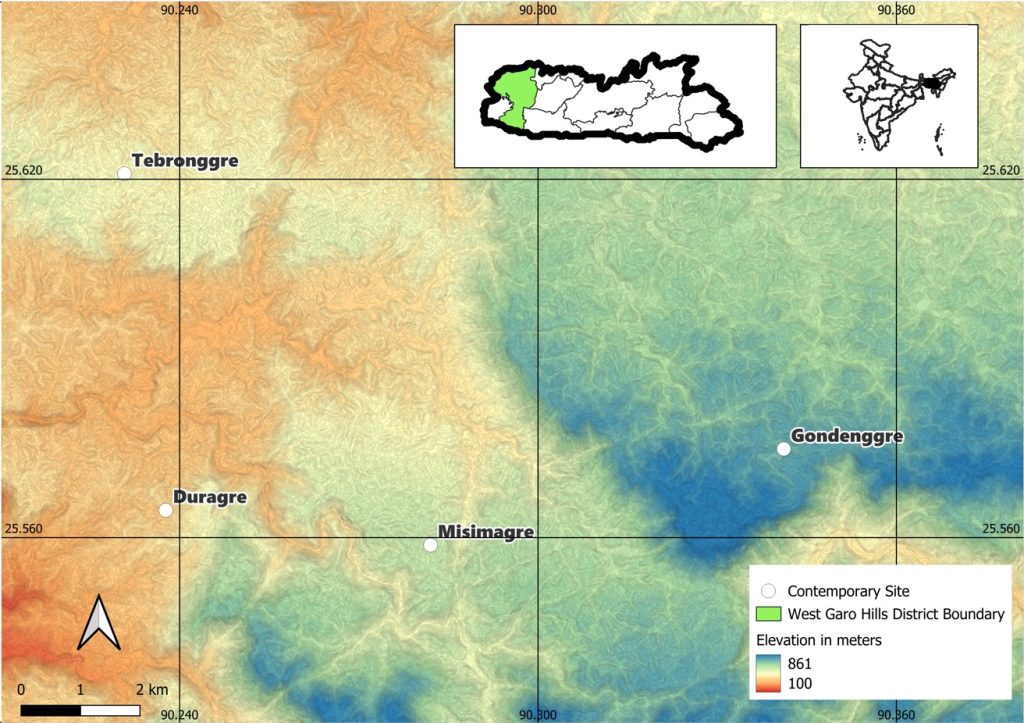
Ethnoarchaeology, documents soil changes linked to traditional activities in four Garo Hills villages — Duragre, Tebronggre, Misimagre and Gondenggre.
Researchers Rohit and Sukanya Sharma of the Department of Humanities and Social Sciences at the Indian Institute of Technology Guwahati examined cultural soils from areas used for living, food preparation, cultivation, animal rearing, wood carving and waste disposal.
Using scientific techniques to analyse soil samples, they identified physical, elemental, mineralogical and magnetic markers of human activity, including changes in the soil’s micromorphology, chemical composition and magnetic properties.
The approach, known as ethnogeoarchaeology, studies how human activities alter soil in present-day settings to help interpret similar evidence at archaeological sites.
Everyday activities leave distinct markers
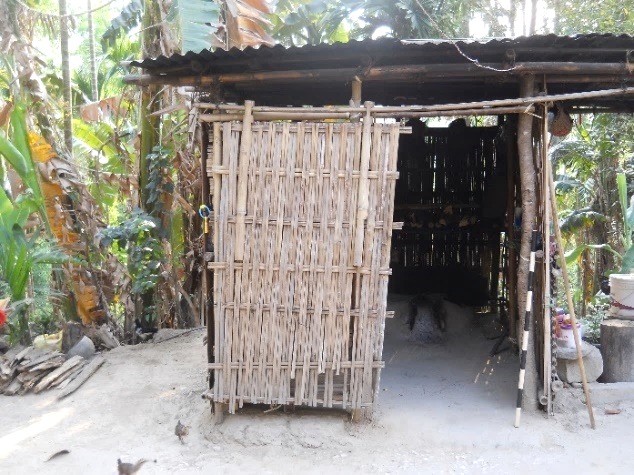
The researchers found that different activities leave different markers in the soil. In kitchen areas, micromorphological examination revealed charcoal fragments, ash and other residues associated with cooking over wood fires. Chemical and mineralogical analyses also identified compounds linked to burning and food preparation.
In the living areas, the soil showed evidence of deliberate preparation of earthen floors using clay mixed with materials such as bark, stems and straw. The researchers noted that even regularly swept and cleaned spaces can preserve microscopic traces of everyday activities, as tiny fragments may become embedded in the floor through trampling and repeated use.
Soil samples from a pig-rearing area in Misimagre contained mineral and elemental signatures associated with animal activity and waste accumulation. The researchers linked these changes to repeated animal movement, feeding, waste deposition and the moist conditions around the rearing area.
The study also examined a wood-carving workshop in Tebronggre, where fragments of wood, charcoal and decomposed plant material had accumulated in the soil. The researchers said these residues reflected the repeated cutting and processing of wood, while chemical signatures indicated organic matter from plant materials.

Farming and waste disposal offer further clues
Traditional swidden cultivation, locally known as A.ba, was another important focus. The practice involves clearing and burning vegetation, cultivating crops for a limited period and subsequently leaving the land fallow to regenerate.
The researchers identified charred plant fragments, charcoal and other changes in the soil associated with burning. The samples also showed elevated magnetic susceptibility, a property that can increase when heating transforms certain iron-bearing minerals.
The study noted that swidden fields in the region are generally cultivated for about three years before being left fallow. While fallow periods were reportedly 10–15 years in the past, they have shortened to around two to five years in recent times, largely because of population pressure.
At a household waste-disposal area in Gondenggre, the researchers found charcoal, plant residues, organic matter and mineral changes associated with waste accumulation. Daily sweeping and water runoff on the sloping ground had also influenced how materials were deposited and redistributed.
The findings illustrate how activities that may appear ordinary today can leave traces that survive long enough to become part of the archaeological record.
A reference for future archaeological research
The researchers used several laboratory techniques, including soil thin-section microscopy, X-ray diffraction, infrared spectroscopy, elemental analysis and magnetic susceptibility measurements, to distinguish micromorphological and other physico-chemical human-induced changes from naturally occurring soil features.
The work builds on the archaeological record of the Garo Hills, where prehistoric investigations have uncovered stone tools and handmade pottery. Comparisons between present-day activities and archaeological evidence could help researchers interpret how earlier communities used particular spaces and carried out domestic, agricultural and craft activities.
However, the researchers cautioned that the findings are preliminary. The study covered a limited number of activity areas and used a small sample set, partly because the sites were actively occupied and sampling had to respect local permissions and cultural considerations.
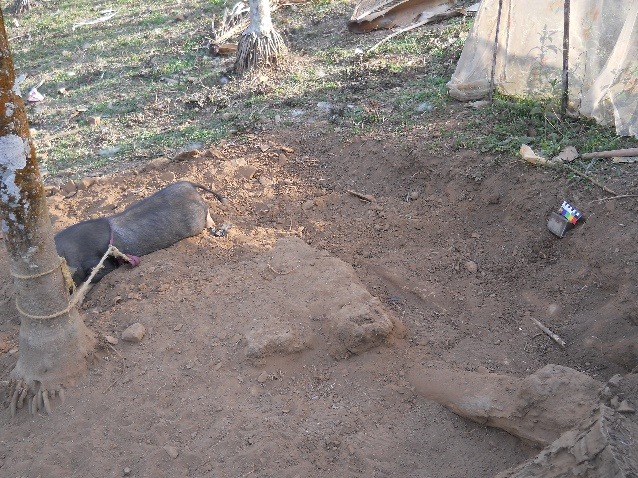
The region’s humid climate, heavy rainfall, acidic soils and dense vegetation can also alter archaeological deposits over time. Organic remains may decompose, minerals may change, and soil material may be displaced, making it difficult to distinguish human activity from natural processes.
The authors said a larger database of soil signatures from different activities, supported by additional sampling and research, could provide a useful comparative tool for archaeological investigations in the Garo Hills and other regions with similar environmental conditions.