
EK Hills has 277 against EJ Hills & SWK Hills 11 each cash access points
Shillong, Aug 3: Facilities to avail physical cash is found to be uneven across Meghalaya amid rapid shift towards digital payments in the country.
According to the latest Reserve Bank of India (RBI) data, there are just 494 cash withdrawal points in the state.
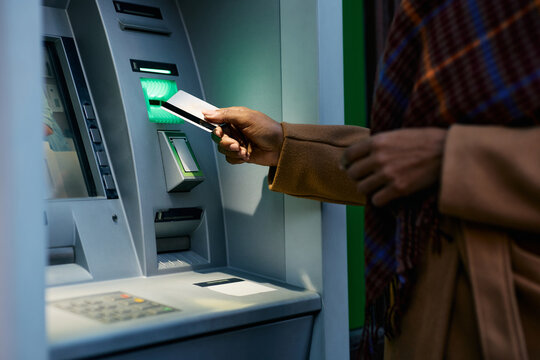
It reveals a stark imbalance in banking infrastructure, with East Khasi Hills alone accounting for 277 cash access points—more than half of the state’s entire network of ATMs, Cash Recycling Machines (CRMs) and White Label ATMs (WLAs).
Several other districts, meanwhile, have fewer than a dozen such facilities.
According to the RBI’s Quarterly Deployment of ATMs, CRMs and WLAs as of June 30, 2026, East Khasi Hills has 168 cash access points in urban areas, 41 in semi-urban centres and 68 in rural areas.
After East Khasi Hills, there is a steep drop. West Garo Hills has just 57 cash access points, followed by Ri Bhoi (46) and West Jaintia Hills (41).
The shortage is most acute in South Garo Hills, which has only five cash access points. Eastern West Khasi Hills has seven, while North Garo Hills and South West Garo Hills have eight each. East Jaintia Hills and South West Khasi Hills have 11 each, and West Khasi Hills has just 12.
The figures expose a stark urban-rural divide in banking infrastructure. While residents of Shillong and its surrounding areas enjoy relatively easy access to cash withdrawal facilities, people in remote districts often have to travel long distances to access banking services or depend on a handful of ATMs, Business Correspondents and digital payment platforms.
The RBI data also highlights the limited ATM footprint of Meghalaya Rural Bank, the state’s principal regional rural bank. It operates only 13 ATMs across Meghalaya—one in an urban area, five in semi-urban locations and seven in rural areas.
Recognising the rural banking gap, Chief Minister Conrad K Sangma, in his 2026-27 Budget, announced a major expansion of the state’s interoperable micro-ATM initiative.
Describing access to banking and credit as one of the biggest challenges in rural Meghalaya, Sangma said the government plans to expand the network to around 1,000 Customer Service Points (CSPs) and Business Correspondents during the current financial year.
The micro-ATMs, equipped with voice support in Khasi, Pnar and Garo, are intended to make banking services more accessible in remote areas.
The budget also proposed a new scheme to provide financial support to banks for opening branches and expanding services in underserved regions.
The RBI deployment figures, which cover ATMs, Cash Recycling Machines and White Label ATMs operated by public sector, private sector, regional rural, cooperative and foreign banks, underscore that while digital banking has expanded rapidly, access to physical cash remains uneven across Meghalaya.
The data also highlights the challenge before the state as it seeks to bridge the rural banking gap and ensure that financial inclusion reaches some of its most remote hill communities.