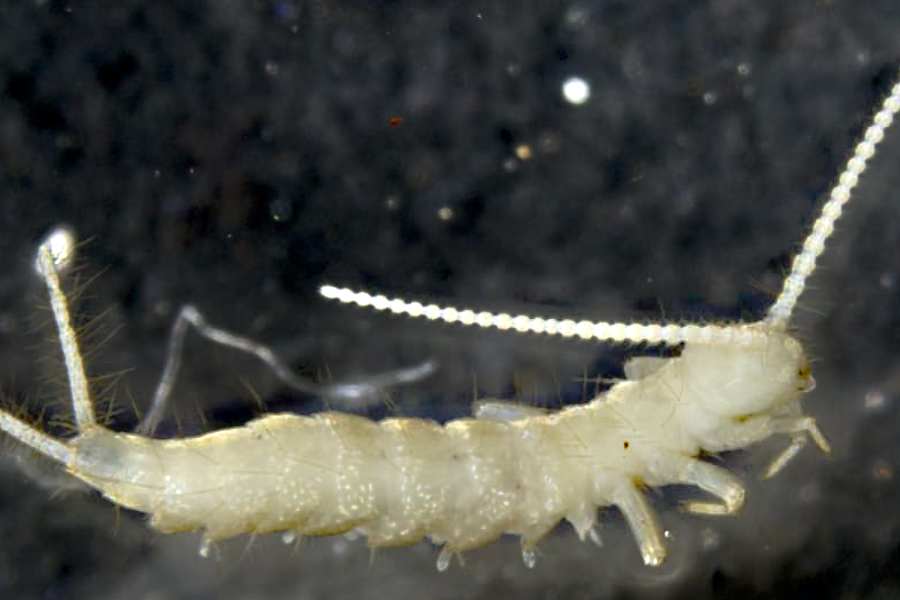

Kolkata, Feb 16: ZSI scientists have discovered a new wingless, soil-dwelling micro-arthropod, the first species of this primitive hexapod group described by an Indian research team, officials said.
A Zoological Survey of India (ZSI) spokesperson on Monday said the species has been named Lepidocampa sikkimensis.
The findings, published on January 7, 2026, in the prestigious international taxonomic journal ‘Zootaxa’, conclude a nearly five-decade-long hiatus in domestic research on Indian Diplura.
While 17 species had been previously documented within the country, all were historically described by foreign researchers, the spokesperson said.
Commenting on the significance of the achievement, ZSI director Dhriti Banerjee said, “The discovery of Lepidocampa sikkimensis is a vital contribution to the documentation of India’s soil biodiversity.”
“Research into evolutionarily significant and lesser-known groups like Diplura is essential for understanding ecosystem functioning. This success underscores the necessity of sustained taxonomic efforts in biodiversity hotspots like the Himalayas,” Banerjee said.
Led by senior scientist Surajit Kar, the research team, Souvik Mazumdar, Pritha Mandal, Guru Pada Mandal and Kusumendra Kumar Suman, identified the species from specimens collected near Ravangla, Sikkim.
Subsequent findings at Kurseong in West Bengal suggest the species maintains a broader distribution across the Eastern Himalayan range.
The species is distinguished by its unique arrangement of body scales, specific chaetotaxy (bristle patterns), and specialized appendage structures.
As primitive, blind hexapods, diplurans (two-pronged bristletails) are fundamental to soil health, playing a critical role in nutrient cycling and the maintenance of soil structure.
Beyond the description of a new species, the study provides a comprehensive update to Indian soil fauna records by successfully relocating a rare Indian Diplura subspecies, Lepidocampa juradii bengalensis, which had not been recorded in nearly 50 years.
The study provides the first-ever DNA barcode data globally for an Indian Lepidocampa species, bridging a significant gap between traditional morphology and modern molecular phylogenetics. (PTI)