
By Dipak Kurmi
The war in West Asia has now been raging for more than three weeks, yet no side is willing to budge from its entrenched position. What was originally projected by military analysts to last only a few days has stretched into a grueling month-long confrontation, characterized by an attrition that neither side seems prepared to concede. In a development that has stunned the international community, Iran has defied all conventional logic in its retaliation against the joint US-Israel offensive. By mastering the art of asymmetric warfare through the deployment of swarming drones and precision-guided munitions, Tehran has successfully drained the high-tech resources of the United States. This tactical persistence, combined with the calculated economic bleeding of the global oil market via a functional siege of the Strait of Hormuz, has forced a recalibration in the Pentagon. For the first time in decades, Washington is quietly contemplating a respectable retreat, searching for an exit strategy that preserves its global standing while stemming the tide of mounting losses.
Despite this outward appearance of defiance, Iran itself is in undeniably bad shape. The intensity of the US-Israel air campaigns has resulted in a large part of the Iranian war machinery being systematically destroyed. Reports indicate that the nation has suffered the loss of top military and political leaders, including the assassination of Supreme Leader Ayatollah Ali Khamenei and IRGC Navy Admiral Alireza Tangsiri. Beyond the military hardware, the human cost has been staggering, with high casualties reported among its citizens and a crippled domestic infrastructure. Yet, the war rages on with a ferocity that contradicts the physical reality of the damage sustained. Wars often possess their own queer logic; after a certain threshold, they are no longer fought for clear territorial or political gains but purely for the sake of fighting. Both sides find themselves trapped in a psychological cage, believing they cannot retreat ignominiously and risk the appearance of defeat. However, as the conflict enters its fourth week, it is becoming clear that logistics do not run on emotions, and the financial burden is becoming unsustainable.
The financial toll on the American side is particularly acute, with the United States spending an estimated billion dollars a day to maintain its carrier strike groups and conduct sorties. Beyond the fiscal drain, the US has suffered significant losses in terms of its international reputation and expensive war paraphernalia, as Iranian drones frequently bypass multi-million dollar interceptors. This mounting pressure is perhaps the primary reason the US recently proposed a comprehensive 15-point peace plan to Tehran. The American proposal—reportedly offering significant sanctions relief, nuclear cooperation, and de-escalation frameworks—reflects a classic carrot-and-stick approach. It seeks to cap Iran’s nuclear ambitions once and for all, ensure maritime stability in the Strait of Hormuz, and restore a semblance of regional order. By offering to dismantle the “snapback” threat of UN sanctions and providing assistance for civilian nuclear energy, Washington is attempting to trade economic survival for Tehran’s strategic submission.
Iran’s response, however, is not merely a rejection of these terms; it is a fundamental reframing of the entire conflict. Tehran has countered with its own 5-point peace plan, which signals that it does not see itself as a party to be restrained or “managed,” but rather as a regional power to be compensated and legitimized. These five demands range from guaranteed war reparations for the destruction of its infrastructure to a formal international recognition of Iranian sovereignty over the Strait of Hormuz. Tehran’s insistence on reparations shows that it is not negotiating from a perceived position of weakness. Instead, the Iranian leadership knows that its retaliatory strikes in Israel have created a genuine sense of panic within the Israeli defense establishment. With the legendary Iron Dome weakened by saturation attacks and its interceptors rendered largely ineffective against the new Fattah-2 ballistic missiles, the tactical landscape has shifted.
Currently, both Iran and Israel stand on the same precarious ground; both nations have been proven vulnerable to air attacks, whether from sophisticated ballistic missiles or advanced fighter jets. This newfound parity is precisely where Iran’s confidence originates. Tehran also understands the absolute leverage it holds over the global economy; a choked Strait of Hormuz will continue to bleed international markets, with Brent crude prices already surging toward the $120 mark. There is now immense pressure on the US to end the war, or at least ensure that oil flows freely through the strait to prevent a global recession. The competing proposals must be viewed through this specific lens of power dynamics. The US proposal is rooted in the old doctrine of containment; Iran’s counter-proposal is rooted in a demand for recognition. Washington wants a behavioral change that aligns with Western interests, while Tehran wants a definitive strategic acknowledgement of its role as a regional hegemon.
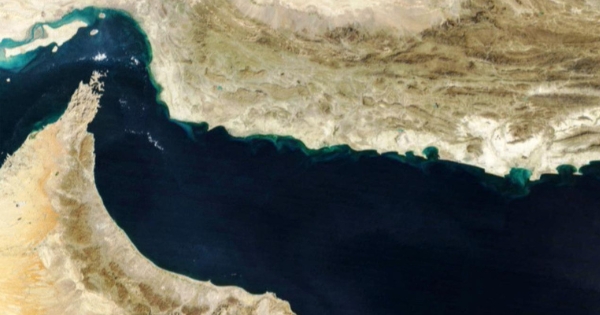
For the Iranian leadership, the Strait of Hormuz is more than a waterway; it is a lever that promises long-term sovereignty and deterrence. However, Tehran’s insistence on formal recognition of absolute control over the strait, including the potential to levy transit fees on “hostile” vessels, is unlikely to be accepted by the international community. This remains a near-insurmountable sticking point in any potential negotiations, as no major global power willingly sets a precedent of paying for military action it deems justified or rewarding what it views as maritime piracy. This refusal to concede on the legal status of the waterway makes Iran’s proposal look less like a negotiating document and more like a bold declaration of position. Yet, despite the public vitriol, there is movement beneath the surface. Reports of intense backchannel diplomacy via Pakistan and the possibility of high-level talks in Turkey suggest that neither side is entirely closed to a diplomatic off-ramp. Meanwhile, as the diplomats argue over definitions of sovereignty and reparations, the war rages on, deepening human suffering and compounding irreparable damage to the environment, the global economy, and the hope for lasting peace.
(the writer can be reached at dipakkurmiglpltd@gmail.com)