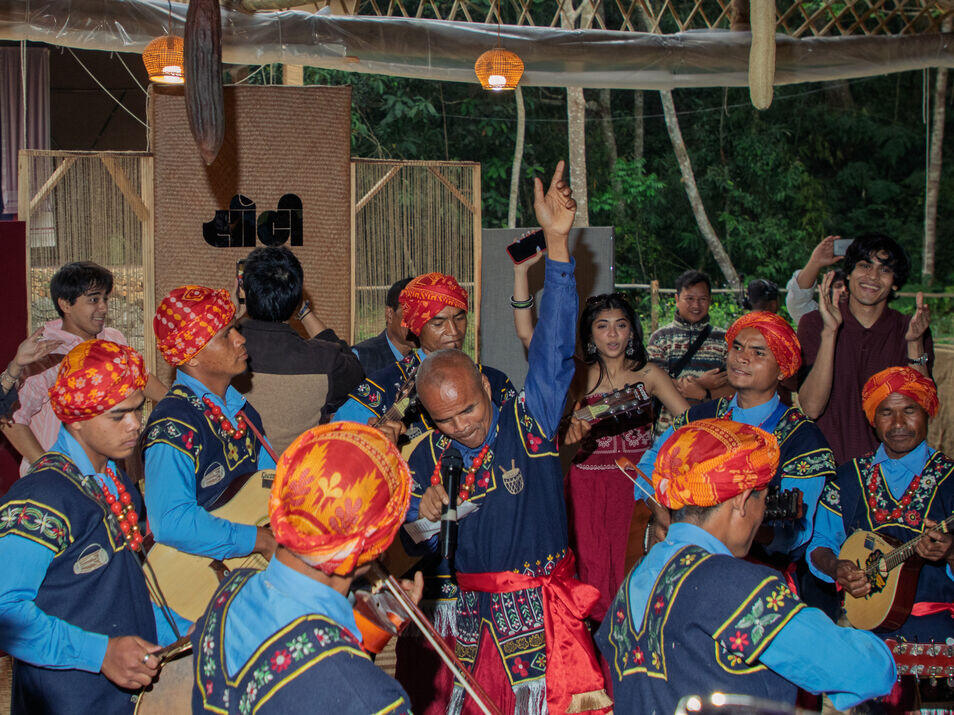

A Jaintia meal hosted inside a sacred forest was among the highlights, linking food with ecology and cultural practices.
Shillong, March 30: A five-day culinary immersion under Seeti 2.0 has brought chefs, creators and cultural practitioners from across the country to Meghalaya, putting the state’s evolving approach to food, culture and tourism in focus.
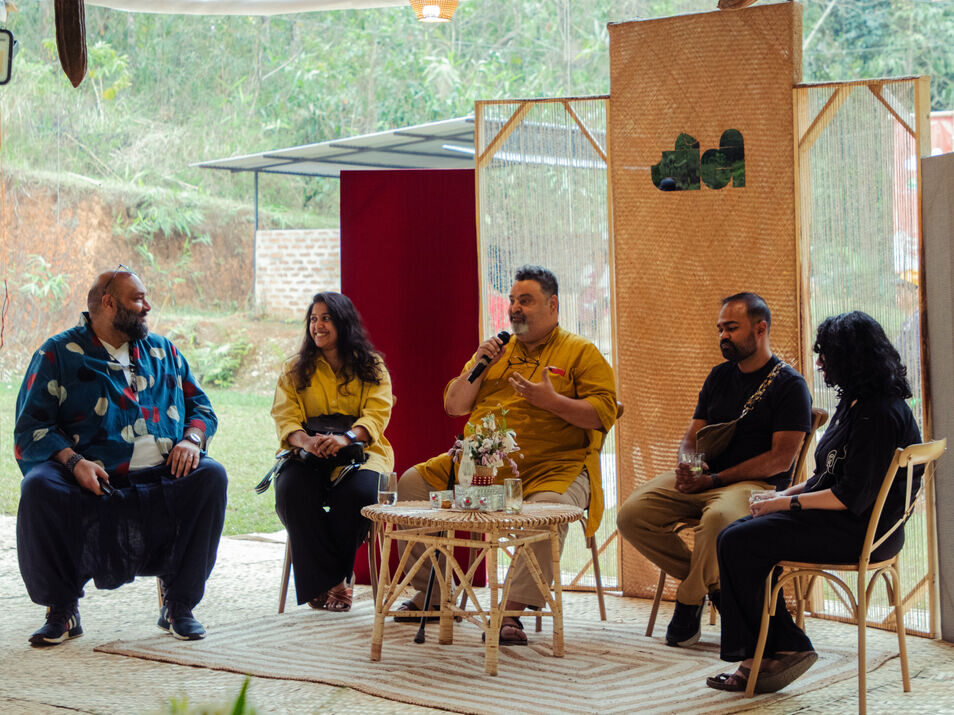
The programme, which concludes on March 31, signals a shift in how Meghalaya is pitching itself—not just as a tourist destination, but as a culturally rooted and globally relevant region. This is the first time Seeti 2.0 is being held in the state.
The initiative unfolded as a curated journey across Meghalaya’s cultural landscapes, with each day built around distinct regional identities—Khasi, Garo and Jaintia—combining cuisine with storytelling, performance and community engagement.
On March 27, under “The Khasi Way,” participants travelled to Phi Ro Sha for an experience that brought together food, textiles, music and traditional practices, along with a panel discussion and interactive activity zones.
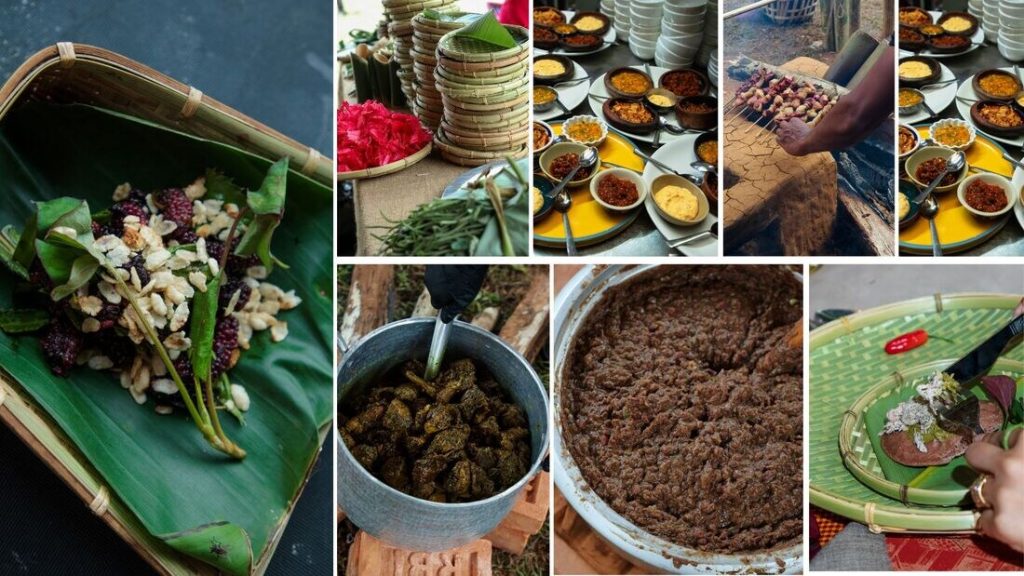
On March 28, themed “Garo Stories,” the focus shifted to tea gardens near Umiam Lake, where participants took part in tea tasting sessions and a Garo culinary experience within the estate landscape. The day also included the Culinary Cascades event at Wards Lake, which brought together chefs, policymakers and the public for discussions on tourism and economic opportunities.
The “Jaintia Gathering” on March 29 included visits to traditional smoked pork outlets in Mylliem and an excursion to Cherrapunji. A Jaintia meal hosted inside a sacred forest was among the highlights, linking food with ecology and cultural practices.
The programme also featured a mix of community and urban experiences, including a football engagement supported by Shillong Lajong FC, exploration of Bara Bazar, and a closing culinary event.
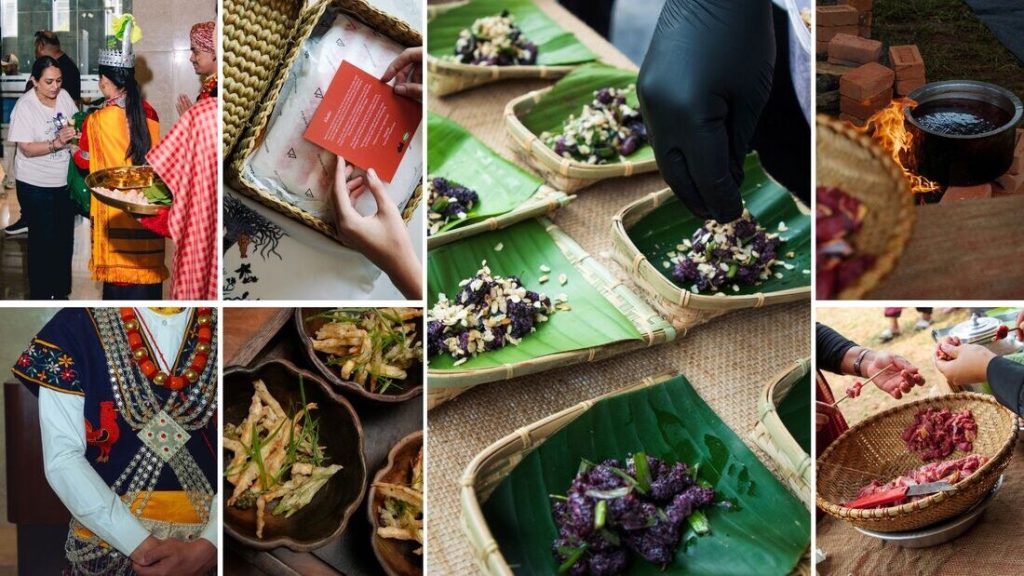
Seeti 2.0 co-founder Sid Mewara said the event was designed to reflect Meghalaya’s cultural diversity in an immersive format.
“Every day there was an experience around the culture of each of these tribes—through cuisine, textiles and handicrafts—so that people could see and experience it first-hand. There was music, there were dances, and we made it as participatory as possible.”
He said the programme also aimed to balance traditional experiences with contemporary urban culture.
“We wanted to bracket the tribal experiences with modern Shillong. Participants visited places like Rynsan to experience fine dining that brings together local influences with a modern take on Asian cuisine.”
Mewara said food can play a key role in reshaping perceptions about the Northeast.
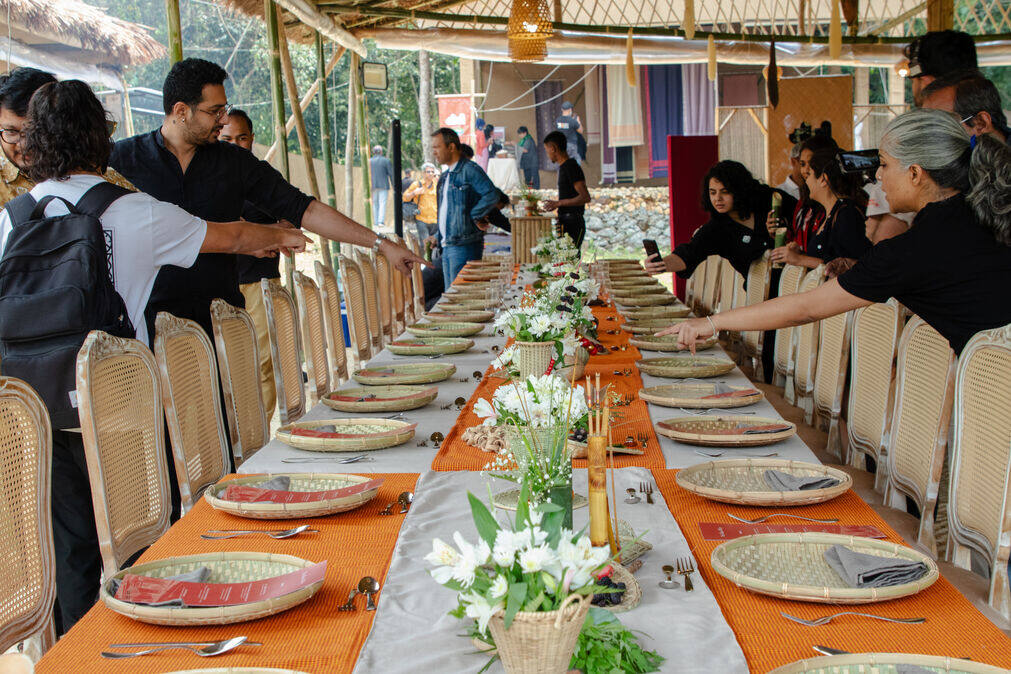
“India doesn’t fully know what it has at its own doorstep. If people come here, they’ll understand the warmth, the hospitality—and the diversity of food.”
Participants experienced cuisines across Khasi, Jaintia and Garo traditions, which organisers said rely on strong local ingredients rather than heavy seasoning.
“The ingredients here speak for themselves. They don’t need masala,” he said.
He added that visits to tea estates near Umiam challenged common associations of tea with Assam and Darjeeling.
“Some of the finest teas we’ve tasted are being produced right here,” he said.
Mewara said the programme was designed to go beyond conventional food festivals.
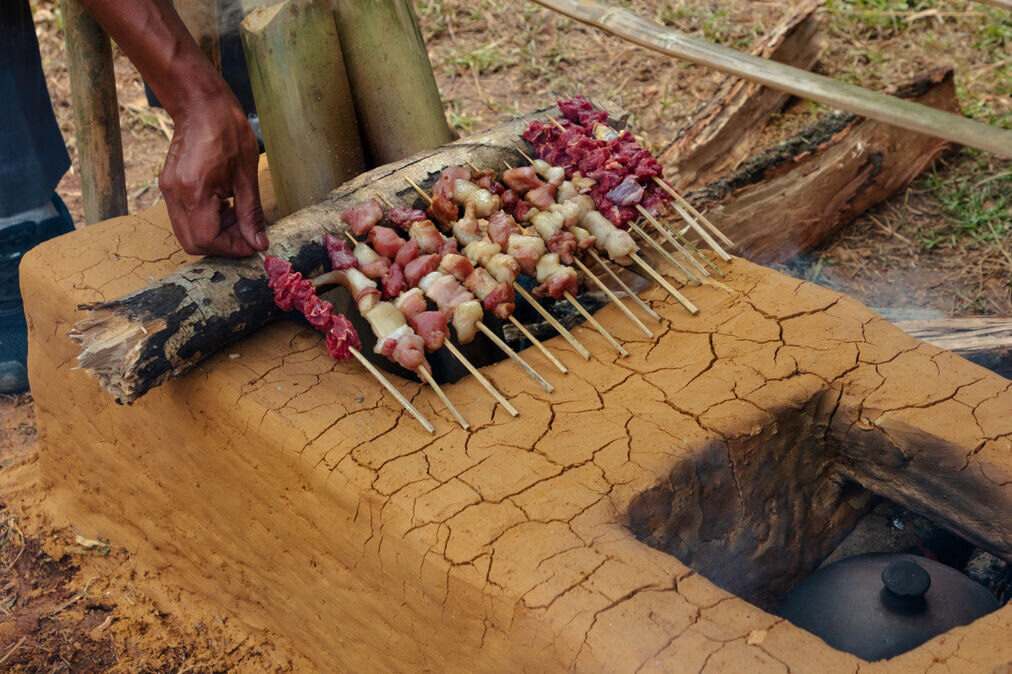
“If it’s just about food, the deeper conversation gets lost. Every experience is rooted in something iconic to Meghalaya—its heritage, its people, its stories.”
Organisers are now looking to expand Seeti to other Northeastern states, including Arunachal Pradesh and Nagaland.
They also plan to take Meghalaya’s cuisine to major cities through curated pop-ups, while participants are expected to amplify the experience through digital content.

“These storytellers will carry Meghalaya to a much wider audience,” Mewara said.
With government support and growing national attention, stakeholders say such initiatives could significantly boost Meghalaya’s visibility in India’s tourism and culinary landscape.