
By Satyabrat Borah
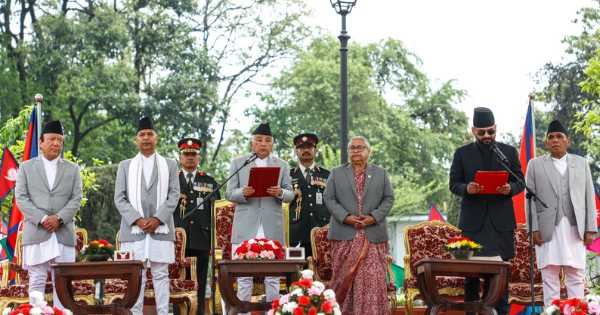
The relationship between India and Nepal stands as one of the most intricate and deeply rooted connections in the world. It is a bond defined not just by political treaties or geographical proximity but by a shared pulse that runs through the veins of millions of people on both sides of a porous border. This connection is often described through the lens of family and culture because the lives of Indians and Nepalis are so closely woven together that it is frequently difficult to see where one influence stops and the other begins. There is a specific rhythm to this partnership that involves ancient temples and modern trade and a constant flow of people seeking work or education or spiritual solace. Recently this long standing story has entered a transformative phase with the emergence of a new political era in Kathmandu. The rise of Balendra Shah or Balen as the Prime Minister of Nepal marks a departure from the traditional structures that have governed the country for decades. This shift represents a generational change and a social realignment that India must recognize and embrace with a fresh perspective.
When Prime Minister Narendra Modi and Prime Minister Balen Shah exchanged early messages of cooperation it signaled a willingness to move forward. These gestures are important because they acknowledge the reality that both nations are better off when they are walking in step. Nepal is a landlocked country and its access to the rest of the world has historically relied on the transit routes provided by India. At the same time India views a stable and prosperous Nepal as essential for its own security and regional goals. The planned energy grid across the region is a prime example of how these interests align. Nepal possesses an incredible wealth of hydropower potential and India provides the massive market needed to turn that potential into revenue. This creates a cycle of growth where Nepali electricity lights up Indian homes while the resulting income fuels the Nepali economy. This economic synergy is a powerful motivator for staying close.
Looking at the background of the new leadership we see a profile that is both familiar and strikingly different. Like many of his predecessors Balen Shah spent time studying in India which often creates a sense of cultural comfort. It would be a mistake to assume that this familiarity means he will follow the same predictable paths as those who came before him. At thirty five years old he is the first Madhesi leader to hold this office. This is a significant break from the long standing dominance of the Brahmin Chettri Pahadi elite who have traditionally controlled the levers of power in Kathmandu. His ascent is the result of a Gen Z movement that has little interest in the old ideological battles of the past. These young voters and activists are not tied to the legacy of the panchayati movement or the rigid structures of the Congress and Communist parties. They are even distant from the Maoist movement that fundamentally changed Nepal by overthrowing the monarchy. This new generation is driven by pragmatism and a desire for efficiency and a strong sense of national pride that does not necessarily look to the past for guidance.
Because this leadership is so new its formal foreign policy is still taking shape. The way the Shah government chooses to balance its ties with China and the United States alongside its foundational relationship with India will define the coming years. India has spent the last decade increasing its development assistance to Nepal through building hospitals and schools and infrastructure. These efforts have been appreciated but they have also existed alongside moments of friction. There have been disagreements over the Nepali constitution and tensions arising from trade blockades and long standing territorial disputes. These issues have left scars on the public psyche in Nepal. During his time as the Mayor of Kathmandu Balen Shah became known for a brand of overt nationalism. He was vocal about rejecting what he perceived as the hegemony of larger powers. His use of a map depicting a Greater Nepal caused some ripples of concern in New Delhi. These actions reflect a leader who is deeply committed to asserting Nepali identity and sovereignty in a way that resonates with a younger and more assertive electorate.
India needs to approach this new government with a sense of empathy and a willingness to listen. It is a time to tread lightly and offer support as the Shah administration finds its footing. Nepal is currently facing immediate challenges that India is well positioned to help solve. The global instability caused by conflicts in West Asia has made it harder for Nepal to secure steady imports of fuel and fertilizer. These are basic necessities that impact the daily lives of every Nepali citizen. By stepping in to ensure these supplies remain steady India can demonstrate its commitment as a reliable partner. There is also the matter of the Nepali workforce. Roughly fourteen percent of the population works abroad and the country depends heavily on the money they send home. India is a major destination for these workers and ensuring their welfare is a direct way to support the Nepali economy.
There are also specific policy requests that have been pending for some time. Previous Nepali governments have asked for overflight rights for new airports and a reduction in restrictions on the purchase of Nepali power that involves third country assistance. Addressing these requests would be a sign of good faith. It would show that India is willing to adapt its rules to accommodate the growth of its neighbor. Another major topic is the bilateral friendship treaty which many in Nepal feel is outdated and needs to be revised to reflect modern realities. In the past delays in extending invitations have led to missed opportunities. When an invitation to the previous leader was delayed he chose to visit Beijing first. India should avoid a repeat of that scenario. Inviting Balen Shah to New Delhi at the earliest opportunity would be a powerful statement. It would provide a platform for the two leaders to build a personal rapport and discuss their visions for the future.
The concept of Neighbours First is a noble one but it requires constant maintenance and a genuine respect for the autonomy of smaller nations. The relationship between India and Nepal is unique because it is so personal. It is found in the marriages between families across the border and the students who cross over for university and the pilgrims who visit holy sites. This human element is the strongest buffer against political misunderstandings. When the governments in Delhi and Kathmandu work well together it makes life easier for millions of people. The arrival of a leader like Balen Shah is an opportunity to look at the relationship through a new lens. It is a chance to move away from the baggage of the twentieth century and focus on the possibilities of the twenty first.
Modern Nepal is a country of immense ambition. Its youth are connected to the world through technology and they want to see their nation thrive on its own terms. They want better infrastructure and more jobs and a government that delivers results. India can be a partner in all of these aspirations. By investing in connectivity projects like railways and digital networks India helps integrate Nepal into the wider regional economy. This integration is the best way to ensure long term stability. It creates a situation where both countries have a vested interest in each other’s success.
The political landscape in Kathmandu has always been dynamic and sometimes volatile. The movement that brought Balen Shah to power is a reminder that the status quo is never permanent. For India this means that its diplomacy must be flexible. It cannot rely solely on its relationships with the established political families or parties. It must engage with the new voices and the grassroots movements that are shaping the future. This requires a deeper understanding of the internal social shifts happening within Nepal. The rise of a Madhesi leader is a significant moment for the representation of different ethnic groups in Nepal and India should welcome this move toward a more inclusive democracy.
Cultural diplomacy also plays a vital role. The shared heritage of Hinduism and Buddhism provides a common language that transcends politics. Strengthening these ties through cultural exchanges and the restoration of heritage sites can help build trust at a popular level. When people feel a sense of belonging to a larger shared culture it becomes easier to navigate the inevitable disagreements that arise between states. The focus should be on building bridges that can withstand the winds of political change.
As the Shah government begins its work there will be a period of adjustment. There will likely be moments where the nationalist rhetoric of the new administration clashes with the strategic interests of New Delhi. These moments should be handled with patience rather than reactionary measures. A strong and confident India can afford to be generous with its smaller neighbor. By giving Nepal the space to assert its identity while remaining a supportive friend India can ensure that the relationship remains anchored in mutual respect.
The goal for both nations should be a partnership that is based on equality and shared prosperity. The borders between India and Nepal have been open for centuries and this openness is a rare and precious thing in a world of rising walls. It allows for a level of social and economic integration that is the envy of many other regions. Preserving this openness while addressing concerns about security and smuggling is a delicate balance that requires constant communication.
There is a sense of urgency in the air. The world is changing rapidly and the traditional power dynamics in Asia are shifting. In this context the friendship between India and Nepal is more important than ever. It is a pillar of stability in a complex region. By reaching out to Balen Shah and his generation of leaders India can ensure that this pillar remains strong for decades to come. This is not just about high level diplomacy. It is about the farmer who needs fertilizer and the student who wants to study in Bangalore and the entrepreneur in Kathmandu who wants to sell his products in Delhi.
The story of India and Nepal is an ongoing one and every generation adds its own chapter. The current chapter is being written by a new set of actors with a different set of priorities. By embracing this change and showing a willingness to adapt India can help turn this new era into one of unprecedented cooperation. The invite to Balen Shah should be seen as the first step in a long journey toward a more modern and equitable relationship. It is an opportunity to prove that the bond between these two nations is resilient enough to thrive in a changing world.
The success of the Neighbours First policy depends on the ability of India to make its neighbors feel like valued partners. With Nepal this means recognizing its sovereignty and supporting its development and being sensitive to its internal transitions. The rise of Balen Shah is a vivid illustration of a nation that is evolving. India has the chance to be a part of that evolution in a positive and meaningful way. By focusing on common goals like energy security and trade and people to people ties both countries can build a future that honors their shared past while looking boldly toward what lies ahead. This is the path to a South Asia that is integrated and peaceful and prosperous for all its inhabitants.