
By Dipak Kurmi
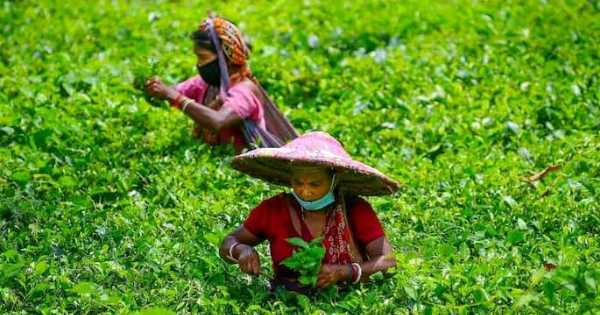
As the emerald hills of Assam prepare for the upcoming Assembly elections, the socio-political atmosphere is increasingly dominated by the historical and demographic weight of the tea-growing community. Often referred to as the backbone of the state’s economy, this community has once again ascended to the zenith of political discourse, emerging as the most coveted electorate for both the ruling National Democratic Alliance (NDA) and the Congress-led opposition. The sheer numerical strength of this group is staggering, with a voter base estimated to exceed 35 lakh individuals who are inextricably linked to the state’s identity. Spread across more than 850 tea gardens, they represent the largest organized workforce in Assam, wielding the power to dictate the political destiny of at least 38 Assembly constituencies, particularly in the upper and eastern belts of the Brahmaputra Valley. Beyond these core areas, their influence permeates an additional 10 seats, effectively making them the ultimate arbiters in nearly a third of the state’s legislative house. In a landscape where victory margins are often razor-thin, the collective voice of the tea tribes holds the balance of power, forcing political titans to recalibrate their strategies with surgical precision.
The tactical significance of this demographic is reflected in the candidate selection process, where both the BJP and the Congress have mirrored each other by fielding eight candidates each from the tea community. This parity in representation underscores a mutual recognition that the community is no longer a passive observer of the democratic process but a sophisticated stakeholder demanding direct participation. Historically, the tea tribes were considered a loyal bastion of the Congress party, rooted in the legacy of the independence movement and early labor unions. However, the last decade has witnessed a seismic shift in this traditional alignment. The BJP-led NDA has successfully punctured this once-impenetrable fortress through a combination of aggressive grassroots mobilization and a shift toward a welfare-centric narrative. This transition has transformed the community’s electoral behavior into something far more competitive and unpredictable, replacing old-world allegiances with a pragmatic assessment of tangible benefits and governance.
In the feverish run-up to the current polls, the BJP-led government has doubled down on its outreach by deploying a robust arsenal of welfare measures designed to provide immediate relief to the garden workers. Central to this strategy is a daily wage hike of Rs 30, a move intended to address the persistent grievances regarding the rising cost of living. Furthermore, the administration has distributed a one-time financial grant of Rs 5,000 to nearly seven lakh workers, a gesture that provides a significant liquidity boost to households. Perhaps more impactful in the long term is the promise of land rights within tea garden areas, a demand that has been a focal point of community activism for generations. By offering the prospect of land ownership and proposing the extension of Other Backward Classes (OBC) status to several sub-castes within the community, the ruling alliance is attempting to address both the economic and identity-based aspirations of the tea tribes. These initiatives are bolstered by organizational maneuvers, such as the strategic appointment of community representatives in key administrative and party roles to ensure a sense of inclusion.
Conversely, the Congress-led opposition has adopted a stance of strategic skepticism, framing these government interventions as opportunistic and ephemeral. While acknowledging that cash transfers and wage hikes provide a temporary reprieve, the Congress argues that such measures fail to tackle the structural inequities that plague the community. Their critique centers on the notion of wage adequacy and income security, suggesting that without a comprehensive overhaul of the tea industry’s labor laws and a more sustainable development model, these benefits remain mere palliatives. The party has consistently lobbied for an even higher daily wage, pointing out that the current increases still lag behind the minimum standards required for a dignified life. Moreover, Congress leaders have raised the alarm regarding the fiscal sustainability of such populist policies, questioning whether the state can maintain this level of expenditure in the absence of long-term economic reforms. This intellectual tug-of-war highlights the deeper ideological divide between the two main contenders for the community’s trust.
Adding a new layer of complexity to this multi-dimensional contest is the entry of the Jharkhand Mukti Morcha (JMM) into the Assamese electoral fray. The tea community in Assam shares deep-seated ancestral and historical ties with the Chota Nagpur plateau and the state of Jharkhand, from where many were forcibly brought as indentured laborers during the British colonial era. The JMM is attempting to tap into this sense of shared heritage and cultural identity to carve out a niche for itself among the tea tribes. While political analysts do not currently project the JMM to emerge as a dominant legislative force, its presence is a significant variable that could disrupt the established bipolarity. By appealing to the ethnic roots and unique cultural history of the community, the JMM could potentially split the vote in closely fought constituencies, thereby acting as a spoiler for the major players. This introduces a volatile element of uncertainty, as even a small diversion of votes could lead to unexpected upsets in districts where every ballot counts.
The evolution of the tea community from a monolithic voting bloc to a discerning and diverse electorate reflects a broader trend in Indian politics. The community is increasingly weighing its options based on a complex interplay of immediate material gains, long-standing emotional demands, and a desire for genuine political representation. While the NDA relies on the efficacy of its welfare delivery mechanisms and the promise of social mobility, the Congress seeks to regain its lost ground by positioning itself as the guardian of labor rights and systemic change. In the meantime, the voters themselves remain the true focal point, navigating a deluge of promises and policies. As the polling dates approach, the success of any political party will hinge on its ability to bridge the gap between rhetoric and reality. In the final analysis, the destiny of Assam’s governance will be written in the tea gardens, where the aspirations of 35 lakh voters continue to shape the contours of the state’s democratic future.
(the writer can be reached at dipakkurmiglpltd@gmail.com)