
ROOPAK GOSWAMI
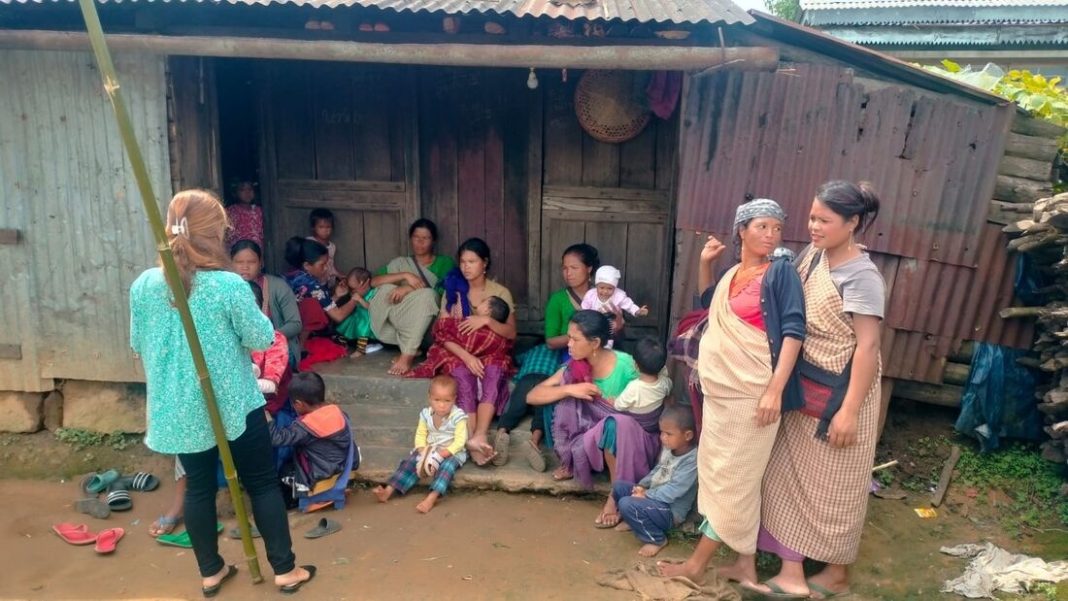
Shillong, July 1: In the remote villages of Meghalaya, a quiet but innovative approach to improving child immunisation is gaining ground—by getting one mother to convince another.
The ‘Buddy Mother’ initiative, being implemented under the GAVI Health System Strengthening (HSS-3) programme in partnership with UNICEF, the National Health Mission (NHM) and Tattva Foundation, pairs mothers whose children are fully immunised with those who are hesitant or have dropped out of vaccination programmes.
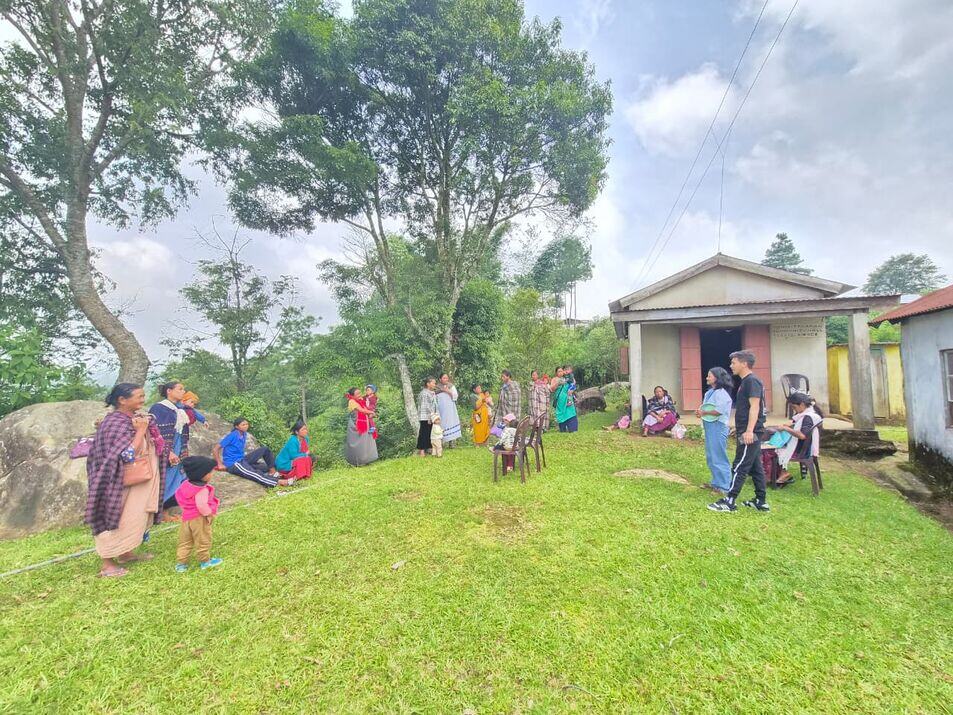
The idea is simple: instead of health workers or officials trying to persuade reluctant families, trusted women from the same community engage in informal conversations, sharing their own experiences and addressing fears surrounding vaccination.
“I didn’t tell her what to do. I just told her what happened when I was scared like her, and what changed after,” said a Buddy Mother from Meghalaya’s Ri-Bhoi district, describing her first interaction with a hesitant mother.
Under the programme, a Buddy Mother undergoes a brief orientation, supports one or two hesitant mothers in her community and remains connected through regular mothers’ gatherings, turning what begins as a conversation into an ongoing support system.
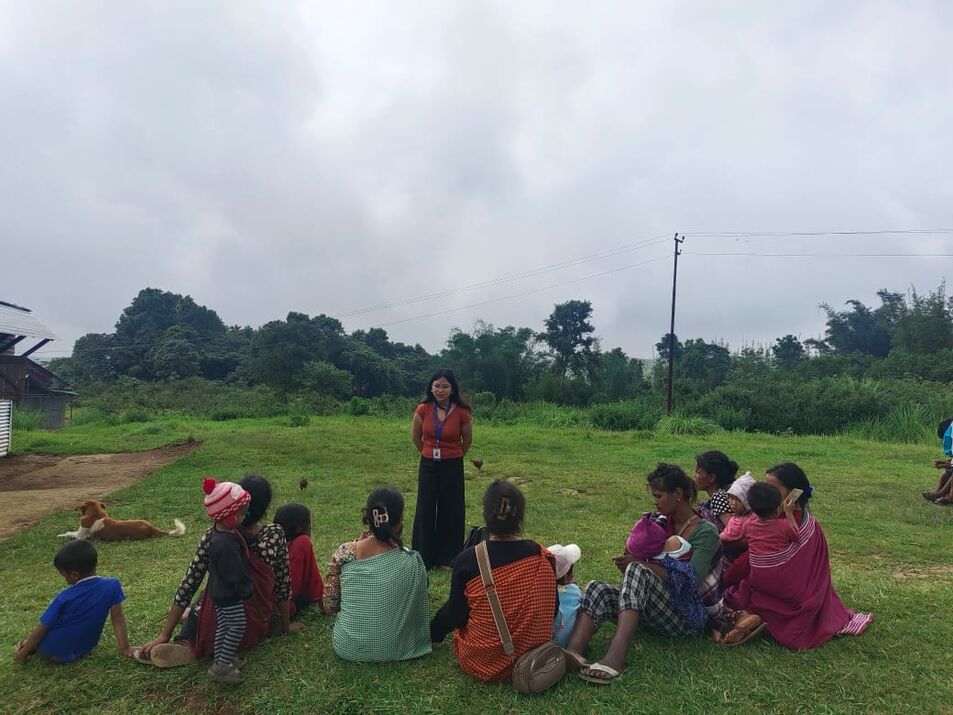
Field teams involved in the programme say they have observed that behaviour change around child health spreads more effectively through peer relationships than through formal messaging.
“When a health worker comes, some mothers feel like they are being checked or questioned. When another mother comes, it feels like being cared for,” said a field coordinator associated with the programme.
For many families, officials say, the barrier is not a lack of awareness about vaccines but the absence of trust, reassurance and companionship. In several cases, simply having another mother accompany them to a vaccination session has helped bring children back onto a complete immunisation schedule.
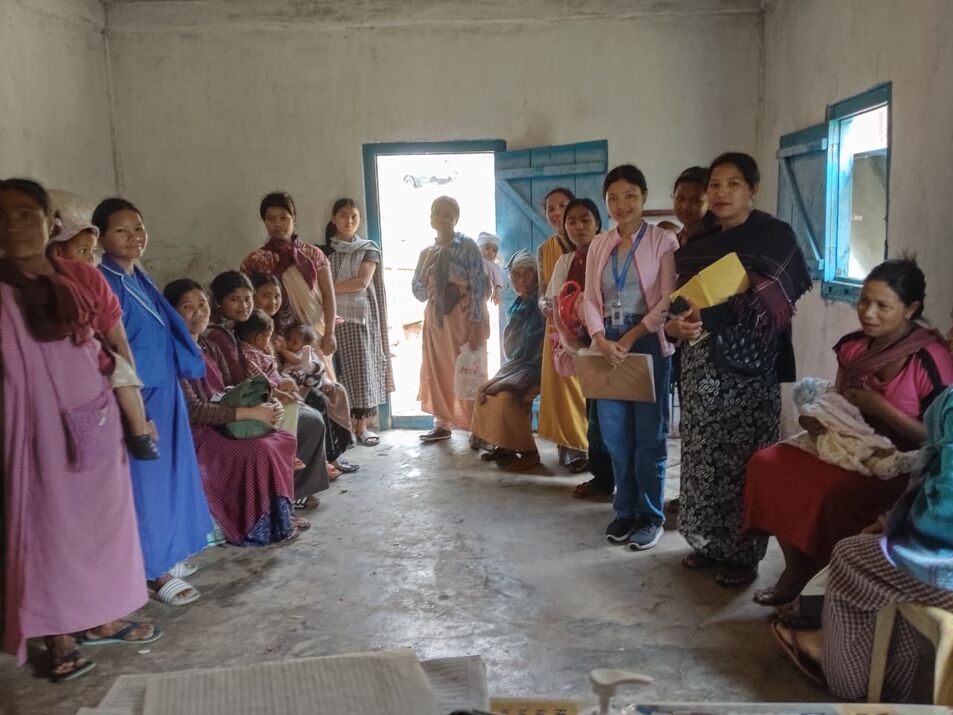
The initiative emerged from a Behavioural Insights for Routine Immunisation (BI for RI) study conducted between 2022 and 2024 across districts in Meghalaya. The research, which used behavioural science frameworks and extensive community consultations, found that peer trust and social recognition were among the strongest factors influencing vaccine uptake.
Based on these findings, the Buddy Mother model was designed, piloted and later institutionalised under the GAVI HSS-3 programme. It is now being scaled up across intervention blocks of the state.
Health experts say the initiative represents a shift in public health outreach—from top-down messaging to community-led engagement that harnesses existing social relationships within villages.
As Meghalaya works to reach zero-dose and under-immunised children in some of its most remote and culturally diverse communities, the lesson from the field appears clear: sometimes the most effective advocate for vaccination is not a health official, but a mother next door who has already walked the same path.