
ROOPAK GOSWAMI
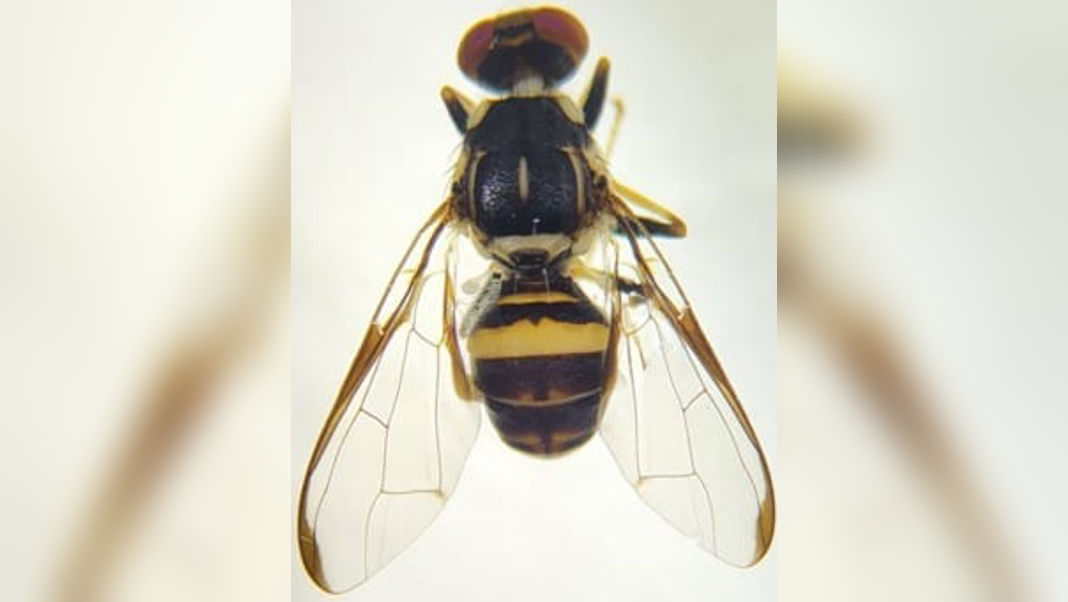
Shillong, July 28: Meghalaya’s rich biodiversity has yielded another scientific surprise, with researchers discovering two new fruit fly species and recording three species never before reported from the Indian subcontinent during an extensive three-year survey in Ri-Bhoi district.
The study, published in Scientific Reports, documented an impressive 37 species of fruit flies across forest, fruit orchard and vegetable ecosystems, establishing Meghalaya as an important hotspot for fruit fly diversity in South Asia.
Researchers led by Kennedy Ningthoujam of the College of Post Graduate Studies in Agricultural Sciences, Umiam, along with scientists from ICAR and Central Agricultural University, conducted the survey between October 2020 and September 2023 across Bhoirymbong, Kyrdemkulai and Umiam.
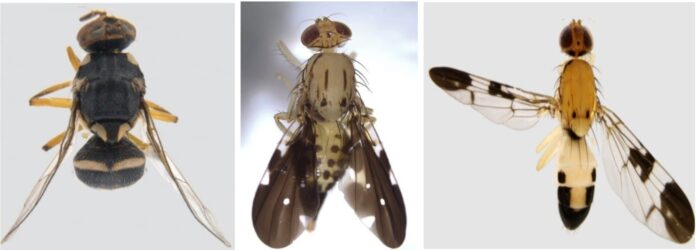
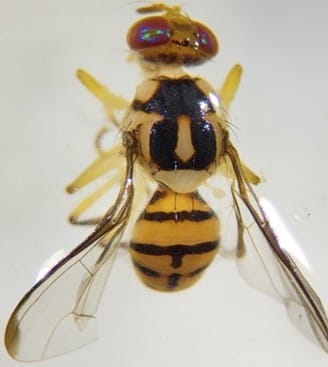
Among the most significant findings was the discovery of two species new to science—Zeugodacus umiam, named after Umiam, and Zeugodacus nasivittatus. The former was found on the GI-tagged Khasi mandarin, while the latter was associated with sweet orange and Khasi mandarin.
The study also recorded three rare species—Bactrocera abbreviata, Erectovena desperata, and Phorelliosoma hilaratum—for the first time in the Indian subcontinent, substantially expanding the known distribution of these insects.
Researchers collected more than 35,000 fruit flies during the study, with the economically important Bactrocera dorsalis, a notorious pest of fruit crops, emerging as the most abundant species. The survey found forests harboured the highest fruit fly diversity and abundance, underscoring the conservation value of Meghalaya’s remaining natural habitats.
The findings have implications beyond biodiversity. Fruit flies are among the world’s most destructive agricultural pests, capable of causing severe losses in fruits and vegetables and triggering export restrictions due to quarantine concerns. Meghalaya’s varied climate, rich host plant diversity and proximity to international borders create ideal conditions for both native and invasive fruit fly species.
The researchers said the discoveries highlight how little is still known about insect diversity in the Northeast and demonstrate the importance of long-term ecological surveys in the region. The study provides the first comprehensive baseline on fruit fly diversity, host associations and seasonal patterns in Meghalaya, information that could prove crucial for both biodiversity conservation and pest management.
One notable finding was the importance of forests as reservoirs of rare and specialised species. While agricultural landscapes supported large numbers of common fruit flies, forest habitats maintained unique species that were absent or uncommon elsewhere, suggesting that habitat fragmentation could threaten little-known insect diversity in the state.
For Meghalaya, already recognised as a biodiversity hotspot, the discovery of species new to science and new national records reinforces the state’s status as one of India’s least-explored yet biologically richest regions.