
The Khasi Hills recorded the highest number of submissions at 675, followed by the Garo Hills with 229 and the Jaintia Hills with 24.
ROOPAK GOSWAMI
Shillong, Oct 11: A citizen-led biodiversity monitoring initiative in Meghalaya has demonstrated how ordinary people can help document the state’s rich wildlife, with a pilot study recording 1,690 biodiversity observations from 94 participants.
The study, published in the Indian Journal of Ecology in 2026, found that public participation in biodiversity documentation was influenced by age, awareness of urban ecology and an emotional connection with nature. Incentives such as prizes and recognition also boosted participation, with engagement remaining higher than the initial level even after the incentives were withdrawn.
The findings point to the potential of biodiversity citizen science to strengthen conservation efforts in Meghalaya, where traditional ecological knowledge and community-led practices, including the protection of sacred groves, have long played a role in environmental stewardship.
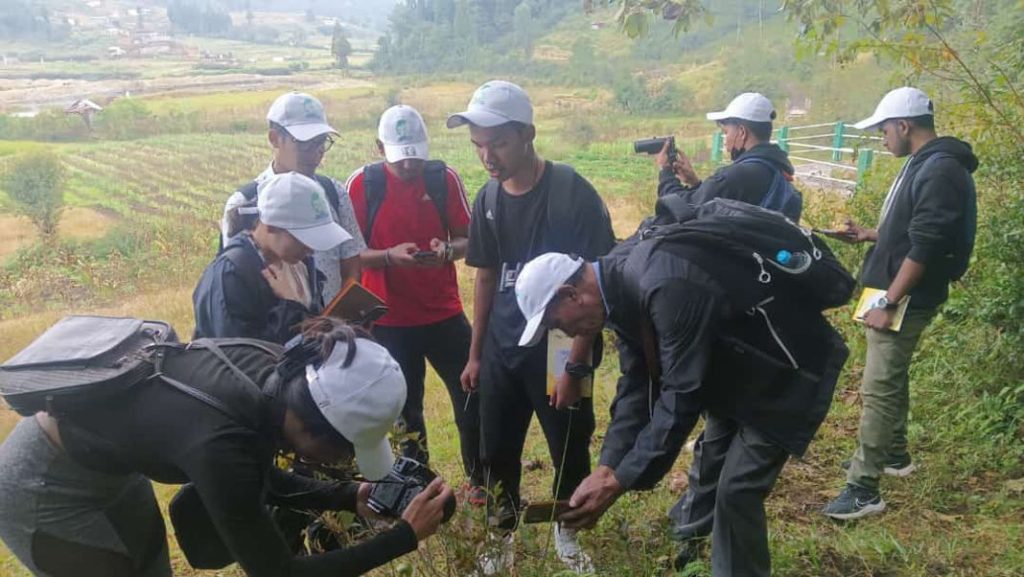
Titled “Biodiversity Citizen Science in Meghalaya: Case Study of Potentials, Public Perceptions and Attitudes in the Eastern Himalayas”, the research used questionnaires, interviews and two biodiversity photography contests to assess public attitudes and participation.
Of the 1,690 records submitted, insects accounted for the largest share at 824, followed by birds with 134 records. The Khasi Hills recorded the highest number of submissions at 675, followed by the Garo Hills with 229 and the Jaintia Hills with 24.
The researchers noted that the dominance of insects and birds reflected a common pattern in citizen science, where easily observed and visually distinctive species tend to attract more attention.
The uneven distribution of submissions across the three hill regions also highlighted the need to broaden participation and improve access to biodiversity documentation initiatives.
More than 70% of participants expressed positive views on the importance of biodiversity documentation for maintaining ecological balance and incorporating urban ecology into conservation planning. Nearly all respondents indicated a willingness to participate in future citizen science initiatives.
The analysis found that age, urban ecological orientation and mental connection with nature were statistically significant factors associated with participation. Gender and educational attainment, however, were not significant predictors.
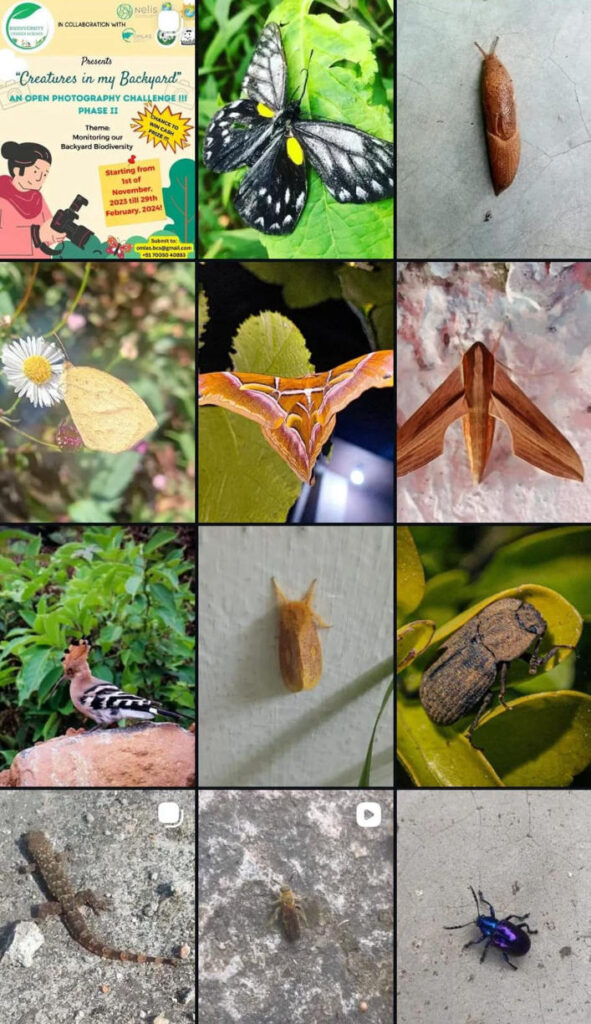
The study also found that introducing incentives increased engagement. Although participation declined after the incentive-based phase, it remained above the initial level, suggesting that rewards can encourage people to get involved while sustained engagement may depend on a deeper interest in nature.
The researchers argued that citizen science can help bridge gaps in formal biodiversity data while connecting community knowledge with scientific documentation. It can also help people become active contributors to conservation rather than remaining passive beneficiaries of government or institutional programmes.
The paper describes the initiative as one of the first independent, youth-led citizen science efforts in Northeast India and calls for longer-term tracking of participation, the integration of digital tools and greater institutional support for citizen-led monitoring.
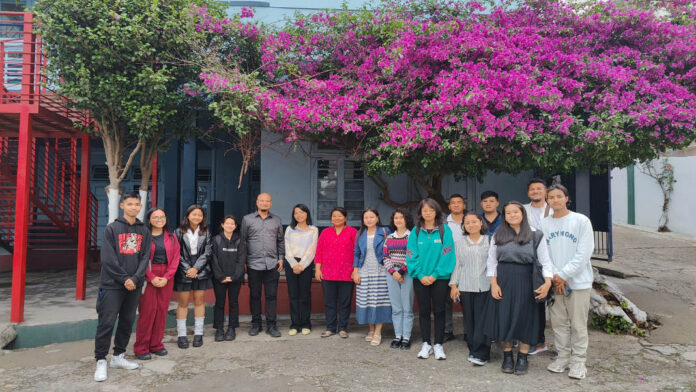
The research was led by Joanica Delicia Jyrwa, with co-authors Garcia Pynkmenlang Fancon, Nathaniel Bhakupar Dkhar, Pynskhlemlang Rani, Latasha Marak, Sachen Sangma, Befulstar Kshiar, Blari Dashisha Lyngdoh, Vayaneza Fancon, Shatabdi Borgohain and Eleazer Cheryl Marbaniang.
The authors acknowledged support from the One Million Leaders in Asia Fellowship Programme and the Global Youth Biodiversity Network-India Chapter, including its Meghalaya chapter.
The study suggests that enabling residents, students and young nature enthusiasts to record species through accessible platforms could expand biodiversity monitoring in the state. However, the researchers stressed the need for further work to assess whether participation can be sustained and expanded across Meghalaya’s different landscapes.